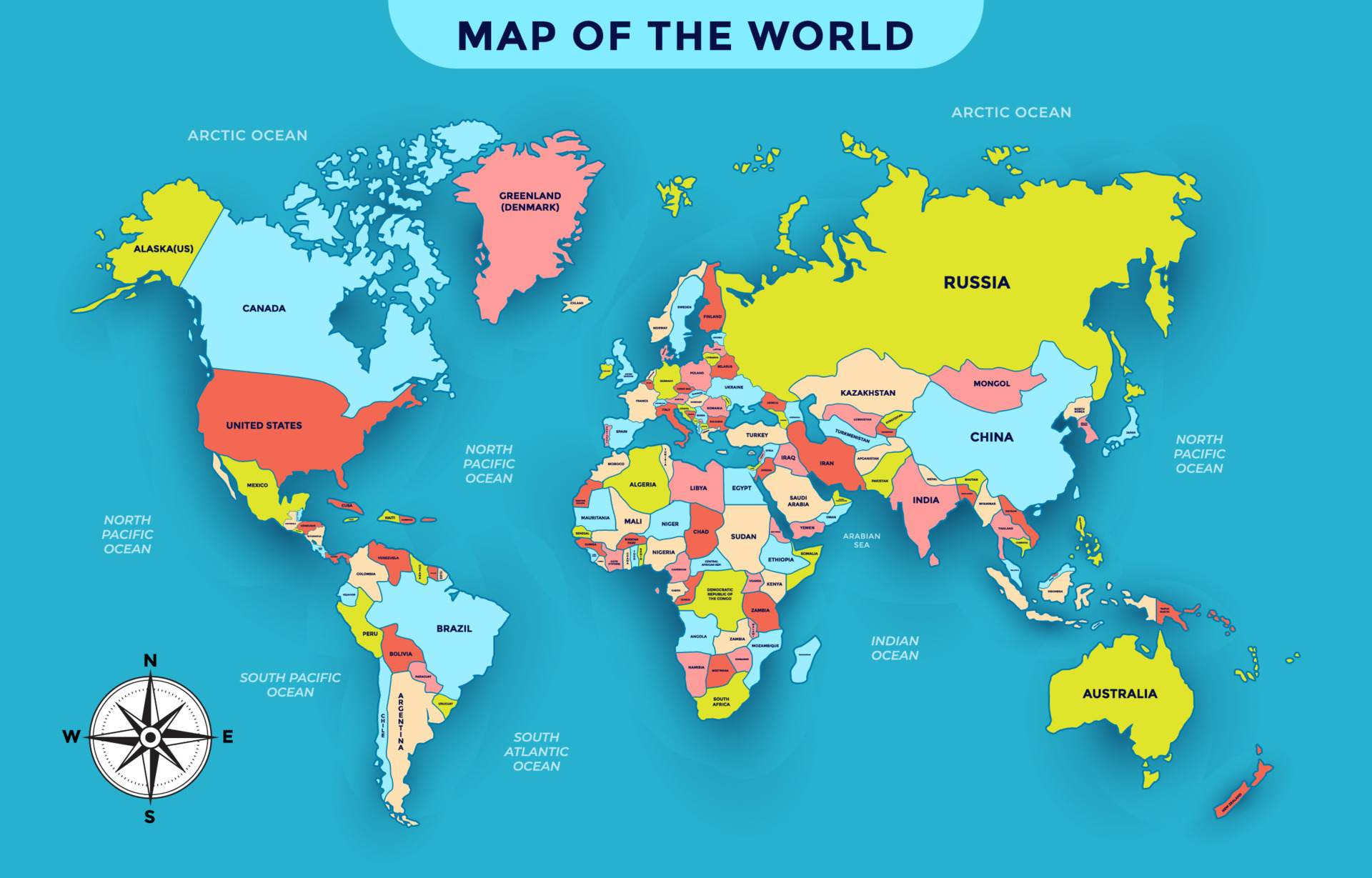
When you spot a tag or packaging label marked with Country of Origin CN, you're looking at a standard international trade shorthand designation for goods originating from the People's Republic of China. This code appears frequently on commercial invoices, electronic customs declarations, and logistics manifests rather than retail consumer packaging. Navigating these abbreviations requires understanding how global customs authorities track manufacturing origins, enforce tariff codes, and regulate consumer transparency.
Customs agencies and supply chain professionals rely on standardized country codes to process millions of shipping containers daily. Yet, seeing "CN" on paperwork does not automatically mean a retail product can be sold with that exact abbreviation stamped on its surface. Different jurisdictions maintain strict rules about what everyday buyers must see before making a purchase.
Understanding the CN Code in Global Trade
The letters CN represent China within the ISO 3166-1 alpha-2 standard, a universally recognized system for country codes used by postal services, data systems, and shipping manifests. International freight forwarders use this code to streamline data entry on bills of lading, certificates of origin, and electronic data interchange systems.
For instance, when an automated sorting facility processes an import manifest, the code CN instantly triggers specific database parameters. These parameters include applicable Harmonized System (HS) codes, historical risk assessments, and baseline tariff rates.
- Data Efficiency: Two-letter codes minimize typing errors and speed up digital customs clearance.
- Manifest Accuracy: Shipping lines require precise origin data to calculate port fees and routing compliance.
- Statistical Tracking: Government trade bodies use CN designations to monitor import volumes and trade deficits.
Regulatory Standards for Retail Labels
While customs systems accept shorthand codes like CN on digital paperwork, retail compliance is an entirely different matter. Major importing regions enforce strict legal requirements regarding what text must appear physically on a product or its immediate packaging.
For example, US Customs and Border Protection (CBP) mandates that most foreign-made goods entering the United States must feature a clear, legible, and permanent English name of the country of origin. Under these guidelines, abbreviations such as "CN" or "PRC" are generally unacceptable for consumer-facing retail markings. Shoppers must see explicit wording like Made in China or Product of China.
European Union regulations similarly require precise origin labeling primarily for foodstuffs, cosmetics, and goods where missing origin details might mislead the consumer about the product's true manufacturing source. When a label hides behind obscure codes, regulatory bodies may flag the shipment for non-compliance during border inspections.
Determining Substantial Transformation
A frequent point of confusion in supply chain management involves mixed-origin products. If a manufacturer sources electronic microchips from Taiwan, a plastic casing from South Korea, and final assembly occurs in Shenzhen, what is the official country of origin?
Customs agencies resolve this through the rule of substantial transformation. If processing operations in China transform raw or component parts into a new article with a distinct name, character, or use, China becomes the legal country of origin.
- Assembly vs. Processing: Simple screw-together assembly using pre-manufactured parts rarely qualifies as substantial transformation.
- Value Addition: Significant engineering, programming, or structural integration inside China often shifts the origin determination.
- Binding Rulings: Importers uncertain about complex multi-country builds can request official written determinations from customs authorities before bringing goods to market.
Common Compliance Pitfalls for Importers
Businesses entering the import sector often stumble over avoidable labeling mistakes that cause costly port delays. Spotting these errors early protects profit margins and prevents inventory gridlock.
- Using Shorthand on Retail Goods: Printing only "CN" on consumer packaging where full English phrasing is legally required.
- Faded or Temporary Markings: Using stickers that peel off easily when customs laws require permanent stamps, embossing, or secure stitching.
- Hidden Placement: Locating the origin mark where retail buyers or customs inspectors cannot view it without destroying the packaging.
- Mismatched Paperwork: Submitting an invoice stating one origin while the physical goods bear another, triggering immediate audits.
Misrepresenting origin data or failing to mark goods correctly can result in severe penalties, including special marking duties, mandatory re-exportation, or complete seizure of the cargo by border enforcement agencies.
Frequently Asked Questions
Can I use the abbreviation CN on retail product tags in the United States?
No. US customs regulations require consumer-facing products to display the full English country name, such as "Made in China." Shorthand codes like CN or PRC are typically restricted to electronic data interchange and commercial shipping documentation.
What happens if an imported shipment arrives without proper origin labels?
Customs authorities will generally hold the shipment at the port of entry. Importers may be granted permission to fix the labels under customs supervision, or they may face mandatory re-export orders and financial penalties.
Does a product transshipped through another country change its origin?
No. Routing a product through a third-party port or warehouse does not alter its country of origin. Origin is determined strictly by where the raw materials were grown or where the last substantial transformation took place.
How do customs officials verify the true origin of complex electronics?
Inspectors examine bills of materials, factory processing records, and supply chain audit trails. If components originate from multiple nations, customs applies substantial transformation tests to evaluate where the core manufacturing identity was established.


