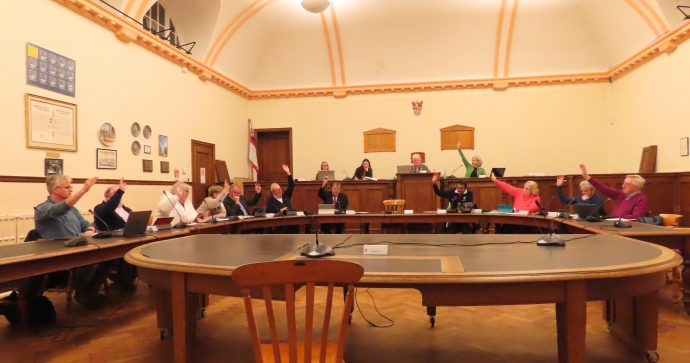
Local governance relies heavily on physical spaces that anchor civic life, yet we often overlook the administrative nerve center driving municipal stability. A council house functions as much more than a routine office building; it serves as the operational core where public policy meets daily community needs. When local challenges escalate—ranging from infrastructure strain to economic shifts—the municipal headquarters coordinates the response, translating administrative decisions into tangible local support.
Understanding the role of municipal administrative centers requires looking past standard bureaucracy. These institutions manage vital regional services, facilitate public accountability, and act as emergency command hubs during local crises. Without a resilient operational base, local governments struggle to maintain community trust or execute efficient public services.
Historical Evolution of Municipal Administration
The structure of local civic centers has evolved significantly over centuries, shifting from simple medieval assembly halls to complex administrative powerhouses. During the nineteenth century of rapid urbanization, municipalities required centralized spaces to manage growing populations and expanding public works. These early town halls combined council chambers, judicial courts, and public markets under a single roof.
As administrative responsibilities expanded through the twentieth century, municipal buildings transformed from ornate symbols of civic pride into utilitarian service hubs. Post-war expansion introduced specialized departments for social welfare, public health, and urban planning. Today, the modern administrative office integrates digital infrastructure and open-plan workspaces designed to streamline citizen engagement and improve bureaucratic efficiency.
Core Functions of a Council House
Modern local governance depends on several distinct operational pillars housed within municipal headquarters. These functions ensure that municipalities operate transparently and respond effectively to resident needs.
- Policy Formulation and Debate: Elected officials gather in council chambers to draft local bylaws, vote on municipal budgets, and debate community development plans.
- Service Delivery Coordination: Administrative staff manage public utilities, waste management, zoning permits, and local road maintenance.
- Public Engagement and Transparency: Council buildings host open forums, public hearings, and consultation sessions where residents can voice concerns directly to local leaders.
- Emergency Management Response: During local emergencies like severe weather or infrastructure failures, municipal headquarters often serve as the primary coordination node for emergency services.
Architecture and Symbolic Civic Identity
The physical design of a municipal building communicates core values regarding authority, accessibility, and openness. Historic civic centers often feature neoclassical columns and prominent clock towers designed to project permanence and institutional stability. Conversely, contemporary municipal architecture prioritizes transparency, utilizing glass facades and accessible public plazas to invite citizen participation.
Architectural choices directly influence public perception. When a municipal center features open public spaces and accessible service counters, residents are more likely to view local government as a collaborative partner rather than an isolated bureaucracy. Conversely, imposing, closed-off designs can create psychological barriers between citizens and elected officials.
Driving Community Resilience
Community resilience depends on the capacity of local institutions to anticipate shocks, adapt to changing economic conditions, and support vulnerable populations. A functional municipal headquarters enables this resilience through proactive planning and resource allocation.
When economic shifts or environmental challenges threaten a region, local governments use their administrative infrastructure to coordinate mutual aid, distribute emergency grants, and engage local stakeholders. For example, municipal planning departments collaborate with provincial bodies like BC Housing to secure affordable housing funding and manage local zoning adjustments. This coordination ensures that housing developments align with community needs rather than speculative interests.
Furthermore, resilient municipalities establish structured feedback loops with residents. By utilizing digital service portals and neighborhood advisory committees, local authorities gather real-time data on community pain points, allowing them to adjust public spending and social support programs dynamically.
Common Pitfalls in Local Administration
Municipalities often encounter structural challenges that undermine administrative efficiency and erode public trust. Recognizing these obstacles helps local leaders implement corrective strategies before minor issues escalate into systemic failures.
- Siloed Departmental Operations: When planning, public works, and finance departments operate independently without cross-functional communication, public projects face severe delays and budget overruns.
- Inadequate Public Consultation: Relying solely on mandatory legal notices rather than active community outreach results in policies that misalign with resident needs, sparking public backlash.
- Deferred Infrastructure Maintenance: Delaying routine repairs on municipal facilities to save short-term capital leads to exponentially higher long-term costs and service disruptions.
- Digital Exclusion: Transitioning entirely to online municipal services without maintaining accessible analog options alienates elderly residents or those without reliable internet access.
Frequently Asked Questions
What is the primary purpose of a council house?
A council house serves as the central administrative and legislative headquarters for local government. It hosts municipal council meetings, houses public service departments, and manages local governance operations such as urban planning, public works, and community outreach.
How do municipal headquarters contribute to emergency management?
During local crises, municipal headquarters function as command centers where local leaders coordinate with emergency services, public health agencies, and provincial authorities to deploy resources, issue public advisories, and manage recovery efforts.
How can residents participate in local council decisions?
Residents can engage with local governance by attending public council meetings, participating in community consultation workshops, submitting written feedback on proposed bylaws, and utilizing municipal online portals to report local issues or request services.
Why is architectural design important for municipal buildings?
The physical design of a municipal building shapes public trust and civic engagement. Open, accessible architecture signals transparency and collaboration, whereas closed or overly intimidating designs can alienate the community from local decision-makers.



