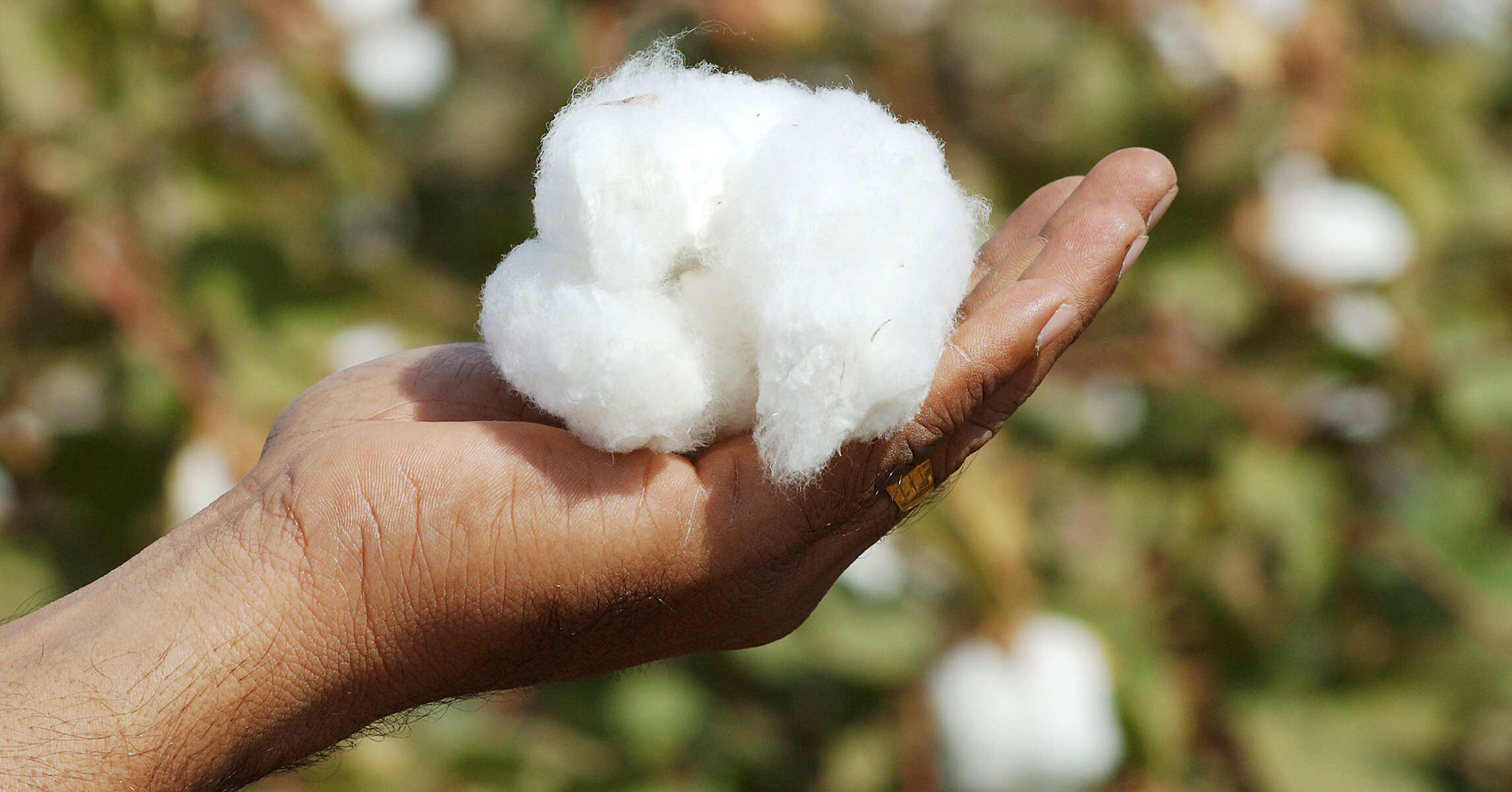
Cotton is the backbone of the global textile industry. It accounts for nearly a quarter of all fiber used worldwide, touching everything from luxury denim to hospital gauze. Yet, behind every comfortable t-shirt lies a complex web of agricultural strain, labor challenges, and water consumption. Understanding the true footprint of cotton requires looking past the retail tag and examining how raw fiber transforms into everyday apparel.
The economic footprint of cotton spans millions of smallholder farms across developing nations. According to the Food and Agriculture Organization, the crop supports the livelihoods of over 100 million families globally, serving as a primary cash crop in regions where alternative employment is scarce. However, growers face steep economic volatility. Input costs like seeds, fertilizers, and pest management often eat up profit margins before harvest season even arrives. Climate change adds another layer of unpredictability, turning reliable growing seasons into high-stakes gambles with droughts and floods.
Environmental Realities of Cultivation
Growing cotton demands significant resources, particularly water and crop protection chemicals. While cotton is naturally drought-tolerant compared to some crops, high-yield varieties often require intensive irrigation in arid regions.
- Water Consumption: Traditional farming methods can deplete local aquifers and river basins, especially in semi-arid zones.
- Chemical Usage: Historically, cotton farming consumed a disproportionate amount of global insecticides and pesticides, though modern biotechnology has shifted these metrics.
- Soil Health: Continuous monocropping without adequate rotation degrades soil structure, leading to increased reliance on synthetic fertilizers.
To counter these impacts, agricultural experts champion regenerative practices. Cover cropping, no-till farming, and drip irrigation help preserve soil moisture and reduce runoff. Programs managed by organizations like Better Cotton train farmers to minimize chemical inputs while maintaining competitive yields. Observers at Bloomberg have also weighed in on this matter.
Ethical Challenges in the Supply Chain
Moving from farm to factory shifts the conversation from agronomy to labor ethics. The textile supply chain is notoriously fragmented, involving ginning mills, spinning plants, dye houses, and cut-and-sew facilities scattered across multiple countries. This complexity makes complete transparency difficult to achieve.
In many manufacturing hubs, factory workers face intense pressure to meet fast-fashion production timelines. Low wages, forced overtime, and precarious contracts remain persistent issues in regions with lax labor enforcement. Even when brands audit their tier-one suppliers, subcontracting often happens off-grid, hiding poor working conditions from oversight.
Traceability technology is slowly changing this dynamic. Brands now utilize digital ledgers and fiber-testing techniques to verify where their cotton was grown and processed. This visibility holds manufacturers accountable and helps conscious consumers make informed purchasing decisions.
Innovations Redefining the Market
The textile sector is actively investing in alternatives to virgin conventional cotton. Innovation is happening on three distinct fronts:
- Recycled Cotton: Mechanical and chemical recycling processes break down pre- and post-consumer textile waste into reusable fibers, reducing the demand for new land and water.
- Organic Standards: Certified organic cotton prohibits synthetic fertilizers and genetically modified seeds, protecting soil microbiome and farming communities from chemical exposure.
- Alternative Fibers: Blends featuring hemp, linen, and agricultural waste are stepping in to share the burden currently placed on traditional cotton crops.
These solutions aren't silver bullets. Recycled cotton, for instance, suffers from shorter staple lengths, requiring blending with virgin fibers to maintain garment durability. Still, they represent necessary steps toward a more circular textile economy.
Frequently Asked Questions
Is organic cotton always better for the environment?
Organic cotton eliminates synthetic pesticides and chemical fertilizers, protecting local water systems and soil health. However, organic farming often yields less per acre, meaning it can require more land to produce the same volume of fiber.
Why is cotton called a thirsty crop?
High-yield modern cotton varieties require consistent moisture during their flowering and boll-formation stages. In regions with low rainfall, this demand necessitates heavy irrigation, which can strain local water supplies.
How can shoppers tell if their cotton clothing is ethically made?
Look for reputable third-party certifications such as the Global Organic Textile Standard (GOTS), Fair Trade Certified, or Oeko-Tex. These labels audit supply chains for environmental safety, fair wages, and labor standards.
What happens to cotton clothes at the end of their lifecycle?
Because cotton is a natural cellulose fiber, it is fully biodegradable under the right composting conditions. However, blended fabrics containing polyester or elastane cannot break down naturally, making garment recycling much more complex.


