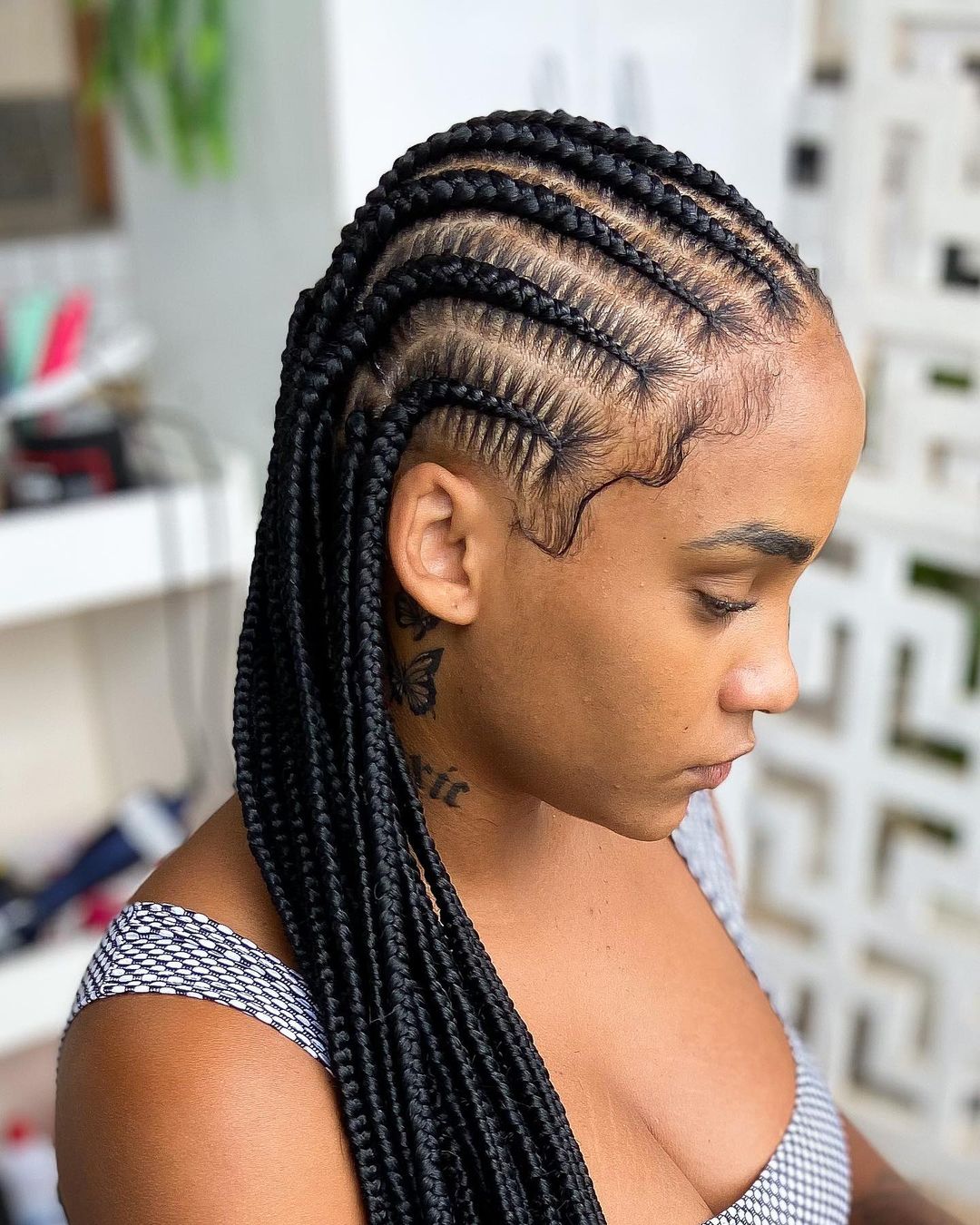
Cornrows for men bridge centuries of West African heritage with contemporary street style and professional grooming. If you're considering this look, you're tapping into a precise braiding technique that protects your hair while making a distinct visual statement. But getting clean braids requires more than sitting in a stylist's chair—it demands proper hair prep, scalp care, and daily maintenance to prevent tension breakage.
Let's break down how cornrows work, how to maintain them, and what you need to know before your next braiding session.
The Origins and Cultural Significance of Men's Cornrows
Long before appearing on modern athletes and musicians, tight vertical braids served as functional art across West African societies. Communities like the Wolof, Yoruba, and Akan used specific braid patterns to communicate social status, age, marital availability, and even tribal lineage.
During the transatlantic slave trade, enslaved Africans used braids practically and covertly. Oral history and historical accounts note that intricate patterns sometimes mapped out escape routes or carried hidden seeds for survival.
Today, wearing cornrows is both a celebration of this resilience and a practical grooming choice. Modern stylists adapt these traditional geometric lines into straight backs, zig-zags, and curved fades that fit modern professional and casual environments alike. The CROWN Act has further validated these styles by prohibiting workplace discrimination against natural Black hair textures and protective braids, making corporate adoption much more common.
Preparing Your Hair and Scalp for Braid Day
You can't achieve a clean, long-lasting set of cornrows on dry, tangled hair. Proper preparation protects your strands from tension stress and ensures your braids sit flat against your scalp.
- Detangle thoroughly: Wash your hair with a clarifying shampoo, apply a deep conditioner, and detangle from ends to roots using a wide-tooth comb or detangling brush before anyone touches your hair with parting combs.
- Stretch the hair: If you have tight coils, blow-drying your hair on a low-heat setting with a nozzle attachment stretches the cuticle, making clean parts easier and reducing pulling during the braiding process.
- Check hair length: Your hair needs to be at least two to three inches long for the braider to grab the roots securely without causing traction alopecia.
For official guidelines on workplace hair equity and natural texture protections, you can reference resources like the Legal Defense Fund and their ongoing advocacy work.
Essential Maintenance: How to Make Your Cornrows Last
Fresh cornrows typically last between two to six weeks, depending on your hair texture, growth rate, and daily routine. Leaving them in longer than six weeks risks matting and severe breakage at the root.
Daily Moisture Routine
Your scalp is exposed between the braids, meaning it dries out faster. Apply a lightweight natural oil—such as jojoba, argan, or sweet almond oil—to your scalp using a dropper or spray bottle every two to three days. Avoid heavy greases that clog hair follicles and trap dirt.
Nighttime Protection
Friction ruins fresh braids. Always sleep with a satin or silk bonnet, or use a silk pillowcase if bonnets slide off while you sleep. Cotton pillowcases absorb natural moisture and cause frizz, loosening your parts within days.
Washing Your Braids
You still need to clean your hair while braided. Wash your scalp gently once a week using a diluted shampoo or a foaming cleanser applied directly to the parts. Rinse thoroughly with lukewarm water and let your hair dry completely under a hooded dryer or with a blow dryer on a cool setting to prevent mildew odors.
Common Mistakes to Avoid
Many first-time wearers run into preventable issues that damage their hair follicles or ruin the look of their braids.
- Braiding too tight: If your scalp feels like it's on fire or you develop small bumps along your hairline, the braider pulled too tightly. Insist on a looser grip to avoid traction alopecia.
- Skipping scalp hygiene: Neglecting scalp moisture leads to severe flaking and itching, while failing to wash your hair causes product buildup.
- Ignoring the edges: The hair around your temples and nape is fine and fragile. Ensure your braider doesn't anchor these weak strands into heavy rows.
Frequently Asked Questions
How long does my hair need to be for cornrows?
You generally need a minimum of 2 to 3 inches of hair all around your head. This gives the braider enough length to grip the hair securely without slipping or pulling too hard on the roots.
Do cornrows cause hair loss?
They only cause hair loss if they are installed too tightly or left in for too long without proper cleaning and moisturizing. If your braids feel comfortable and you give your scalp breaks between styles, your hair will grow healthily.
Can men with straight hair get cornrows?
Yes, men with straight or wavy hair can wear cornrows, though the technique differs. Straight hair lacks the natural coil to lock into the braid on its own, so stylists use extra tension, styling gels, or synthetic braiding hair for grip.
How do I wash my face and hair without ruining the braids?
Use a washcloth for your face to keep water away from your forehead. When washing your hair, focus the shampoo on your scalp along the parts and let the suds rinse down the length of the braids rather than scrubbing the braids themselves.


