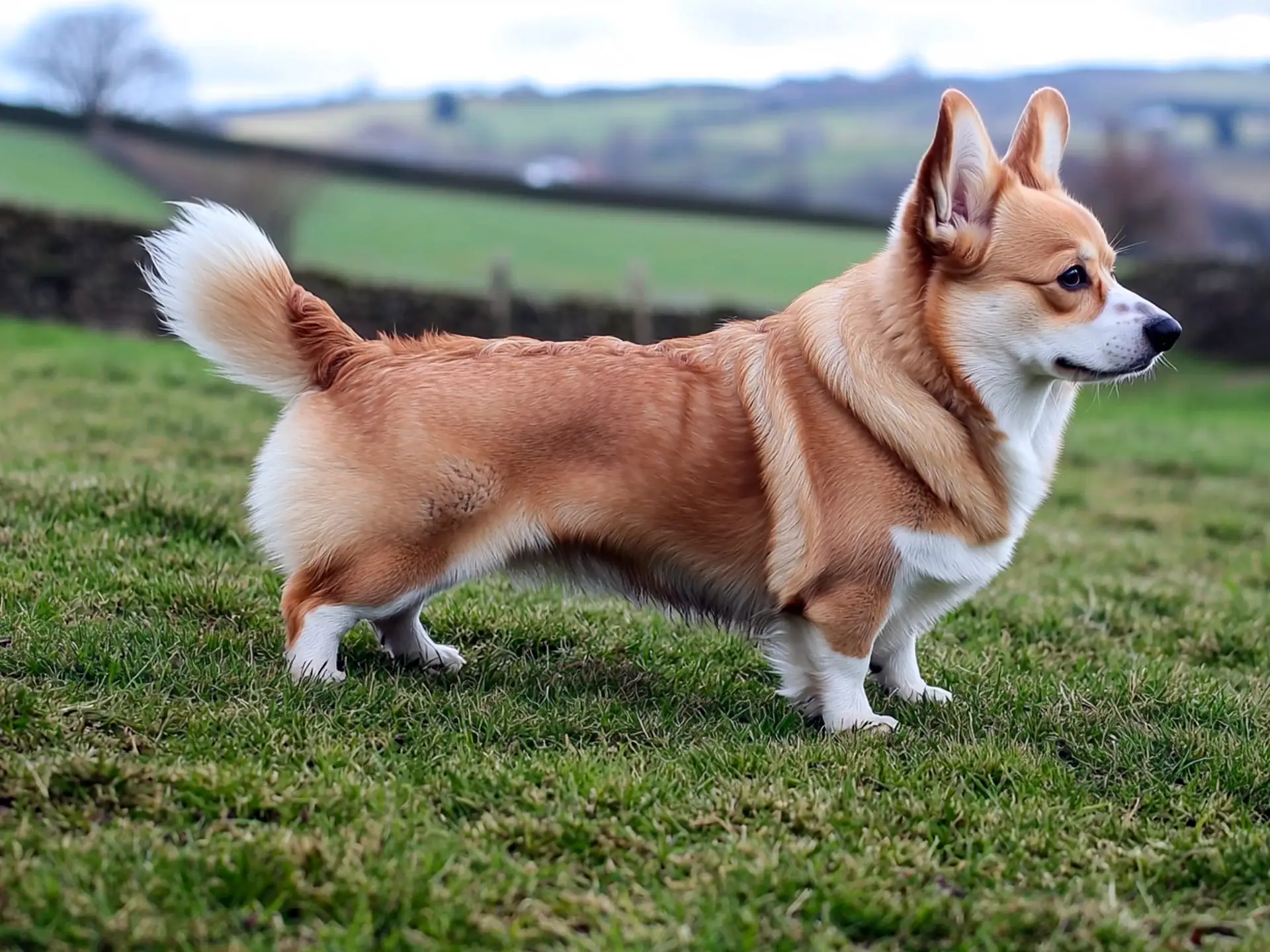
When you cross a short-legged herding dog with a powerful terrier-type guardian, you get a dog that defies standard canine architecture. The corgi pitbull mix—often called a "Corgipit" or "Pitbull Corgi"—combines the long body and spunky independence of the Pembroke Welsh Corgi with the muscular build and steadfast loyalty of the American Pit Bull Terrier. This unusual pairing creates a striking visual contrast: a sturdy, stocky torso perched on signature low-slung legs, topped with an expressive, alert face.
Beyond their unique appearance, these dogs possess a fascinating behavioral blend. They inherit the high-energy drive of working dogs alongside the affectionate, people-oriented nature of pitbulls. If you're considering bringing one of these distinct mixes into your home, understanding their specific physical traits, exercise requirements, and potential health quirks is essential for a harmonious relationship.
Physical Traits and Appearance
Predicting the exact look of a mixed-breed dog is always a puzzle, but corgi pitbull mixes share several prominent structural markers. Most adult dogs weigh between 30 and 50 pounds, bridging the gap between a standard 25-pound corgi and a 50-to-60-pound pitbull. Their height typically stays low, ranging from 12 to 18 inches at the shoulder, due to the dominant dwarfism genes (chondrodysplasia) inherited from the corgi parent.
Their coats vary based on which parent they take after. A pitbull contributes a short, single coat that is easy to groom, while a corgi introduces a dense double coat that sheds heavily during seasonal changes. Colors span a wide spectrum, including brindle, fawn, blue, red, sable, and tricolor patches. Their ears are frequently upright and pointed like a corgi's, though some puppies retain the rose or button ears typical of pitbulls.
Temperament and Behavioral Dynamics
The psychological makeup of this hybrid is defined by intense loyalty and high alertness. Pitbulls are renowned for their velcro-like attachment to human family members, while corgis are watchful herders bred to manage livestock and alert their owners to any disturbance. Combined, these traits yield a dog that forms deep bonds and acts as a vigilant watchdog.
Socialization from an early age is non-negotiable. Because corgis possess a natural instinct to nip at heels and herd moving objects, and pitbulls possess strong prey drives, owners must proactively train these dogs to interact properly with children, strangers, and other pets. Left unguided, they can become overly protective or try to herd running children by nipping ankles.
Exercise and Mental Stimulation Needs
Don't let the short legs fool you—these dogs are built for action. Both parent breeds have demanding energy reserves. Corgis were bred to trot miles across farms, and pitbulls require vigorous physical outlets to burn off their athletic stamina. A quick stroll around the block won't cut it for a healthy adult corgi pitbull mix.
Plan for at least 60 minutes of daily exercise divided into active play sessions, brisk walks, and obedience drills. Puzzle toys, snuffle mats, and scent games help channel their sharp problem-solving skills. Without adequate physical and mental engagement, they find creative ways to entertain themselves, which often translates into destructive chewing, incessant barking, or door-scratching.
Health Considerations and Lifespan
Mixed-breed dogs often benefit from hybrid vigor, but they remain susceptible to the inherited conditions of their lineage. Responsible owners should watch out for structural strain and genetic disorders.
- Intervertebral Disc Disease (IVDD): Because they inherit a long spine paired with short legs, excessive jumping off high furniture or stairs places immense pressure on their vertebrae.
- Hip Dysplasia: Both parent breeds face risks of hip socket malformation, leading to arthritis and mobility issues later in life.
- Skin Allergies: Pitbulls are prone to seasonal and food-related dermatological sensitivities, which can be passed down to their offspring.
With proper veterinary care, a balanced diet, and weight management, a healthy corgi pitbull mix can live between 12 and 15 years. Keeping these dogs lean is critical; extra weight accelerates joint deterioration and spinal strain.
Training Strategies and Tips
Training a strong-willed, intelligent mix requires patience, consistency, and positive reinforcement. Corgis possess an independent streak that borders on stubbornness, while pitbulls strive to please their handlers.
- Start Early: Introduce basic obedience commands like sit, stay, and leave it during puppyhood to establish clear boundaries.
- Redirect Herding Instincts: If your dog attempts to nip at ankles, immediately interrupt the behavior and redirect their focus onto a fetch toy or a chew bone.
- Use High-Value Rewards: Keep training sessions short and engaging with treats or praise to maintain their attention.
- Enforce House Rules on Furniture: Protect their backs by using pet ramps for couches and beds instead of allowing them to leap up and down freely.
Organizations like the American Society for the Prevention of Cruelty to Animals (ASPCA) offer comprehensive behavioral resources for managing mixed-breed rescue dogs and addressing high-energy tendencies. Additionally, you can review care guidelines provided by the American Kennel Club (AKC) to better understand the baseline traits inherited from the herding and terrier groups.
Frequently Asked Questions
Are corgi pitbull mixes good with children?
They can be fantastic family companions when properly socialized, but their herding instincts require supervision. Because they may try to nip at running heels, they fit best in households with older children who understand canine body language.
How much do they shed?
Shedding depends entirely on their coat type. If they inherit the corgi double coat, expect heavy shedding twice a year during "blowout" season, requiring weekly or daily brushing with an undercoat rake.
Are they easy to train for first-time owners?
They present moderate challenges for beginners. While their intelligence makes them quick learners, their stubborn streak and high energy demand an owner committed to consistent structure and daily exercise routines.
Do they bark a lot?
Yes. Corgis are vocal watchdogs, and this trait often carries over into the mix. They tend to announce visitors, delivery drivers, or unusual noises with sharp barks, making early quiet-command training important for apartment living.



