Understanding Human-Centered Design in Consumer Tech
Building consumer technology that people actually want requires starting with human behavior rather than raw code. Traditional engineering often begins with hardware specifications or software capabilities, forcing users to adapt to rigid workflows. Human-centered design flips that sequence. It asks how people live, what frustrates them daily, and where tools fail to match natural cognitive patterns.
When you prioritize user empathy, product design shifts from functional to intuitive. Devices stop demanding manual lookups or multi-step workarounds. Instead, they respond to natural gestures, voice cadence, or minimal visual cues. This approach reduces cognitive load, allowing users to achieve goals without fighting the interface.
The Shift Toward Natural Interfaces
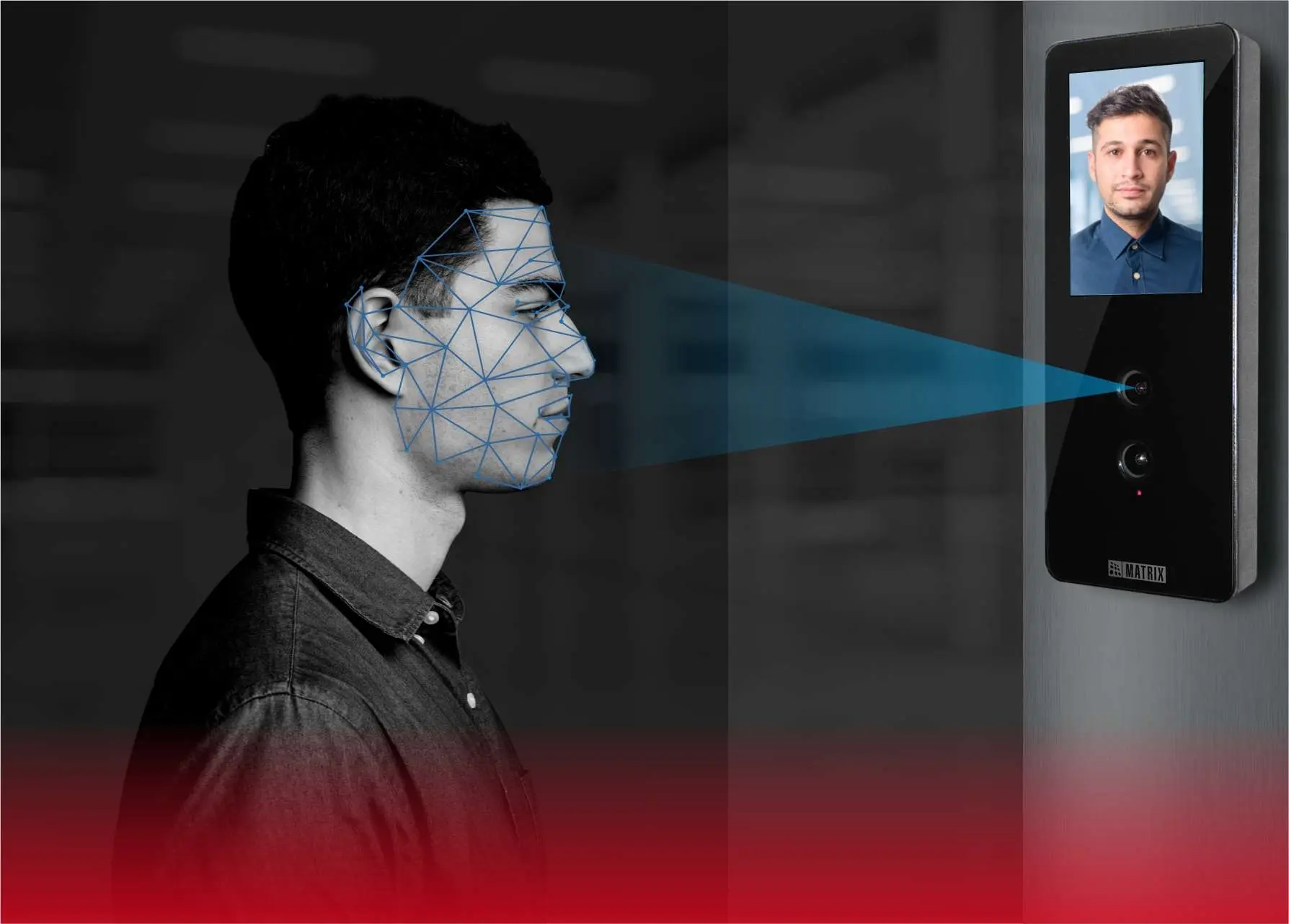
Modern consumer electronics rely heavily on multimodal interactions. Voice control, touch feedback, and automated spatial tracking let people switch inputs based on context. For example, a smart home thermostat doesn't just display temperature numbers on a tiny screen. It learns daily routines, adjusts based on room occupancy, and lets users override settings via simple conversational voice commands or a clean mobile dashboard.
This evolution stems from recognizing human limitations. Users don't want to memorize nested menu trees or read thick troubleshooting manuals. They expect immediate feedback and clear affordances. If a button looks clickable, it must depress or light up instantly. If a process takes longer than expected, the system must show progress clearly. Designers achieve this by testing early prototypes with diverse user groups long before hardware goes into mass production. Further analysis by MIT Technology Review explores related perspectives on the subject.
Core Pillars of User-First Engineering
Creating hardware and software that respects human attention spans involves three primary phases:
- Behavioral Observation: Watching how people interact with existing tools in real-world environments, noting awkward pauses, repetitive mistakes, and workarounds.
- Iterative Prototyping: Building low-fidelity models of software flows or device shells to test core assumptions quickly and cheaply.
- Accessibility Integration: Ensuring products work smoothly for users with varying physical abilities, visual acuities, and technical literacy levels from day one.
Skipping these phases leads to common design mistakes. For instance, bloating a mobile app with redundant features just because the backend code supports them creates clutter. Users abandon apps that bury essential tasks under three layers of navigation. Similarly, consumer hardware that relies on obscure touch gestures rather than physical tactile cues often frustrates users who need to operate devices without looking directly at them, such as drivers or cooks.
Real-World Impact on Product Longevity
Products built on solid human-centered principles tend to enjoy longer market lifespans. When a gadget feels natural to hold and operate, users form positive habits around it. Consider modern wireless earbuds or ergonomic computer mice. Their form factors evolve through hundreds of subtle tweaks to weight distribution, surface texture, and battery placement, all driven by physical ergonomics testing.
Manufacturers who invest in these details reduce customer support friction and return rates. When an interface makes sense immediately, fewer buyers call helplines or leave negative reviews about usability flaws.
Frequently Asked Questions
What is human-centered design in consumer technology?
It is a problem-solving framework that puts real human needs, behaviors, and limitations at the center of every stage of product development, from initial concept sketches to final manufacturing.
Why do some tech products fail despite having advanced features?
Products often fail because they solve technical problems rather than human problems. If a gadget is powerful but difficult to set up or uncomfortable to use, consumers will reject it for simpler alternatives.
How do designers test for user ergonomics?
Designers use a mix of physical prototyping, motion capture studies, usability labs, and field testing where real users trial devices in their own homes over extended periods.
Can software interfaces benefit from physical design principles?
Yes. Digital interfaces rely on digital affordances—visual cues that mimic physical objects, such as shadows, depth, and spatial movement—to help users understand how to interact with on-screen elements intuitively.



