Navigating the legal landscape of New England requires understanding how state-level tribunals function. The Connecticut Judicial Branch operates as an independent arm of government, responsible for resolving disputes, interpreting laws, and administering justice across municipalities. Whether you're dealing with a civil dispute, a family matter, or following a high-profile criminal case, the system relies on a clearly defined hierarchy of courts.
Understanding this framework helps demystify how cases move from initial filings to final appeals. The branch doesn't just manage courtrooms; it oversees probation services, bail commissions, and law library resources. Let's break down how the architecture of these courts functions, how judges are chosen, and what each tier does.
The Hierarchical Structure of Connecticut Courts
The state court system follows a classic four-tier pyramid model. Cases almost always start at the bottom and move upward only when legal errors require correction by a higher authority.
Connecticut Superior Court
The Connecticut Superior Court is the trial court of general jurisdiction where nearly all legal actions begin. It features multiple specialized divisions to handle the diverse volume of legal disputes across the state.
- Civil Division: Handles contract disputes, personal injury claims, property rights, and landlord-tenant issues.
- Criminal Division: Processes misdemeanors and felonies prosecuted by the state against accused individuals.
- Family Division: Manages divorces, child custody, support payments, and restraining orders.
- Juvenile Matters: Oversees delinquency proceedings, neglect petitions, and termination of parental rights.
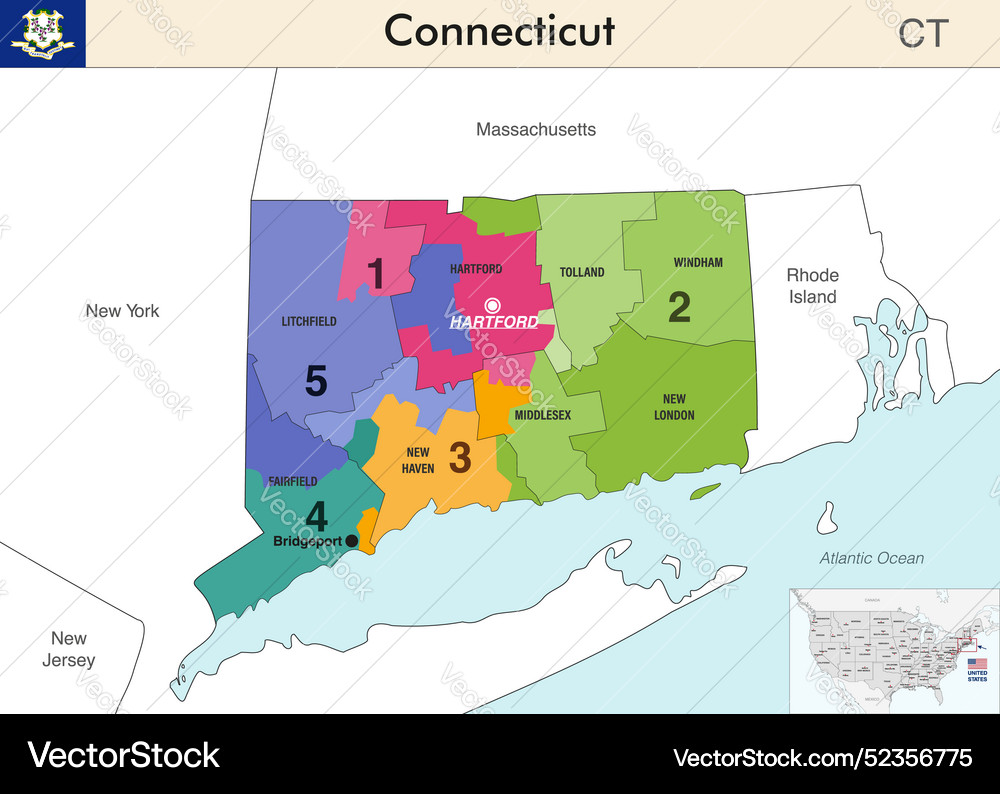
The state is divided into thirteen distinct judicial districts, each equipped with courthouses designed to handle local dockets efficiently.
Connecticut Appellate Court
When a party loses a trial in the Superior Court and believes the judge made a significant legal error, they can appeal to the Connecticut Appellate Court. This intermediate body consists of nine judges who review trial transcripts, legal briefs, and oral arguments.
Crucially, this court doesn't hold trials, hear new testimony, or examine physical evidence. It evaluates whether the lower court applied statutory or constitutional law correctly.
Connecticut Supreme Court
At the apex sits the Connecticut Supreme Court, the state's court of last resort. Composed of seven justices, it holds ultimate authority over the interpretation of state laws and the state constitution.
The Supreme Court handles mandatory appeals in capital or major criminal convictions, as well as discretionary reviews of decisions made by the Appellate Court. Its rulings establish binding legal precedents that all lower tribunals must follow.
Connecticut Probate Courts
Operating separately from the main trial stream, Connecticut Probate Courts handle specialized domestic and administrative matters. These local courts manage decedent estates, trusts, guardianships, adoptions, and commitments for psychiatric care. There are 54 probate districts across the state, presided over by locally elected judges.
How Judges Are Selected and Appointed
Unlike federal judges who receive lifetime appointments, state judges in Connecticut undergo a rigorous vetting process designed to balance political accountability with judicial independence.
The Judicial Selection Commission evaluates applicants for the Superior, Appellate, and Supreme courts based on integrity, legal ability, and temperament. Once the commission recommends qualified candidates, the Governor nominates a choice.
The General Assembly must then approve the nomination. Superior Court judges serve initial terms of eight years, while appellate and supreme justices serve eight-year terms before facing reappointment. This structure ensures that judicial performance is periodically reviewed.
Administrative Operations and Support Services
The branch operates under the administrative direction of the Chief Court Administrator, appointed by the Chief Justice. This administrative arm manages the day-to-day logistics of keeping courthouses running smoothly.
- Court Operations: Manages scheduling, courtroom clerks, stenographers, and language interpreters.
- Court Support Services Division (CSSD): Oversees adult and juvenile probation, family services, bail intake, and alternative dispute resolution programs.
- External Relations: Maintains public law libraries, self-help centers for unrepresented litigants, and electronic filing systems.
These operations ensure that individuals navigating the legal system can access records, file motions correctly, and utilize mediation services without needing an attorney for every minor procedural step.
Frequently Asked Questions
Can I file a lawsuit directly in the Connecticut Supreme Court?
No. The Supreme Court operates almost exclusively as an appellate body. It only reviews decisions or handles rare original jurisdiction matters defined strictly by the state constitution. All standard civil and criminal lawsuits must begin in the Superior Court.
Are jury trials available in all Connecticut courts?
No. Juries are utilized primarily in select Superior Court civil and criminal trials where a party has a constitutional right to a jury and requests one. Appellate courts, the Supreme Court, and Probate Courts rely entirely on judges or panels of justices rather than juries.
How do I find my local court district?
Connecticut is divided into 13 judicial districts and numerous geographical area (GA) locations. You can find the correct venue by checking the official Connecticut Judicial Branch website, which lists courthouses by town and case type.
What is the difference between a judicial district court and a geographical area court?
Geographical area courts (often called GA courts) handle lower-level criminal matters, motor vehicle violations, and minor summary process housing cases. Judicial districts handle major felonies, complex civil litigation, and family dissolutions.



