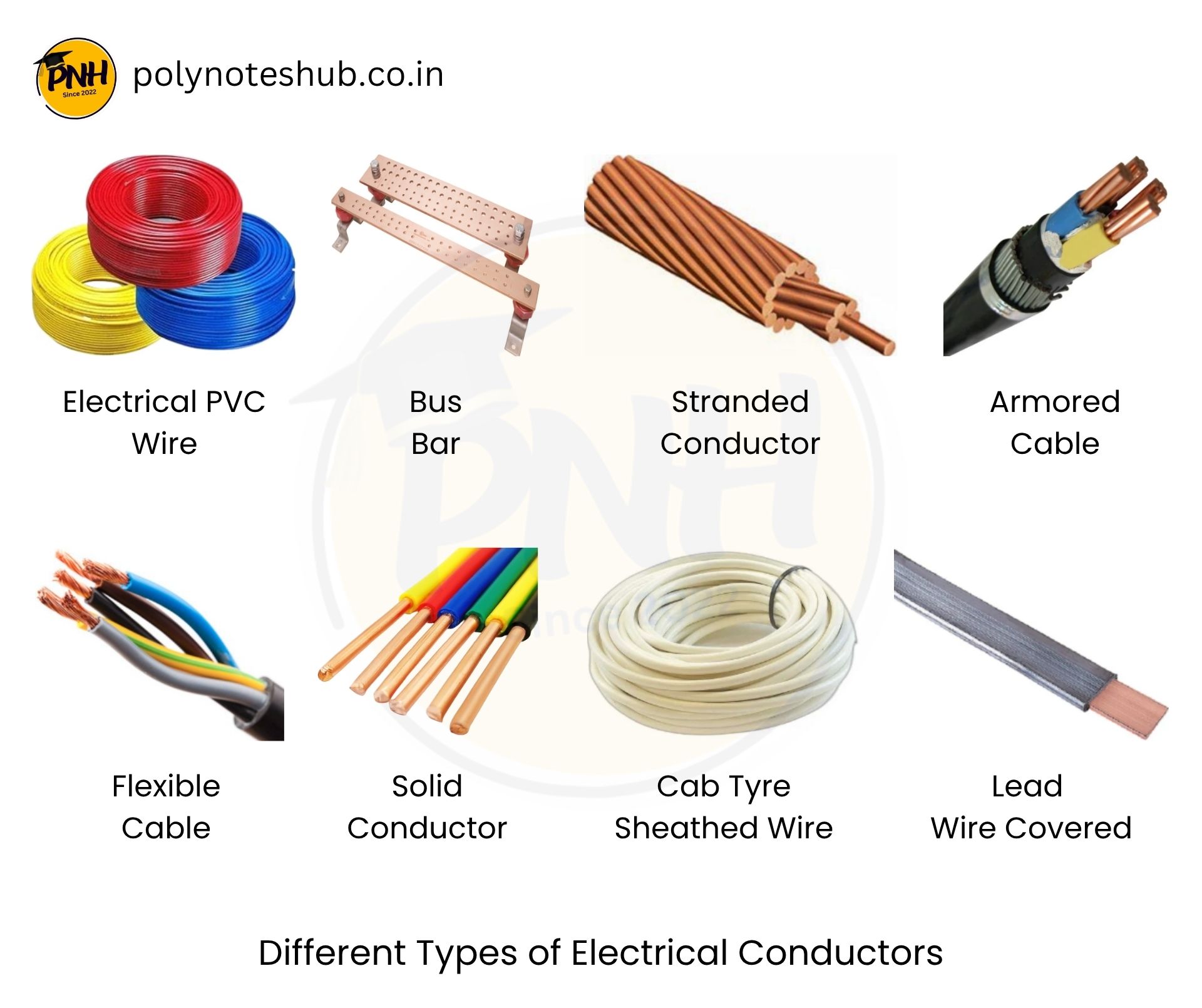
Conductors and insulators govern how energy moves through our built environment. Conductors are materials that permit electric current and thermal energy to flow freely, powered by loosely bound valence electrons. Insulators are materials that fiercely resist this movement, locking electrons tightly within their atomic structures to block current and trap heat.
You interact with both systems constantly. When you plug in a smartphone charger, a copper wire shuttles electrons into your battery while a flexible polymer jacket keeps that current contained so you don't get shocked. Understanding how these opposing material properties function allows engineers to build safe power grids, efficient household appliances, and compact microelectronics.
The Atomic Mechanism Behind Conductivity
Atoms consist of a nucleus surrounded by electrons arranged in shells. In materials categorized as conductors, outer electrons—known as free electrons—are not tightly bound to any single nucleus. Instead, they form a collective electron sea. When an external voltage is applied, these electrons drift uniformly in one direction, creating an electrical current.
Metals excel at this task. Copper, aluminum, silver, and gold feature high densities of free electrons and exceptionally low electrical resistance. Silver is technically the most efficient electrical conductor, but copper remains the industrial standard due to its balance of cost, ductility, and availability.
Insulators operate on the opposite principle. Materials like rubber, glass, ceramic, and dry wood hold onto their valence electrons with high binding energy. Because virtually no free electrons exist to carry a charge, applying a voltage fails to establish a current.
Thermal conductivity follows a parallel path. Materials that conduct electricity well usually conduct heat efficiently because thermal energy transfer relies on the same mobile electron activity. Conversely, thermal insulators use trapped pockets of stationary air or dense molecular structures to slow down kinetic heat transfer.
Real-World Applications of Electrical Conductors
Electrical conductors form the physical backbone of global power distribution and modern computation. Without them, electrical energy could not be transported from generation plants to end-users.
Power Transmission Grids
Overhead high-voltage power lines span hundreds of miles using reinforced aluminum conductors steel-reinforced (ACSR) cables. Aluminum is lightweight and cost-effective for long spans, while the internal steel core provides the tensile strength needed to withstand wind and ice loading.
Residential and Automotive Wiring
Inside building walls and vehicle harnesses, stranded or solid copper wires route electricity to outlets, switches, and control modules. Copper's high malleability lets it bend through tight architectural spaces without fracturing or introducing high resistance points.
Microelectronics and Printed Circuit Boards
Silicon chips and printed circuit boards (PCBs) use microscopic traces of copper or gold to route signals between transistors. Gold is often plated onto edge connectors and SIM cards because it resists surface oxidation, ensuring stable electrical contact over thousands of mating cycles.
Real-World Applications of Electrical Insulators
Insulators protect humans from lethal shocks and prevent circuits from shorting out against unintended pathways. They are just as vital to electrical engineering as conductors.
High-Voltage Porcelain and Composite Bushings
Power substations and utility poles rely on ceramic or composite polymer insulators. These stacked, umbrella-shaped structures support heavy live conductors while preventing current from leaking down concrete or metal support towers, even during heavy rainstorms.
Cable Jackets and Protective Sheathing
Every standard extension cord, appliance cord, and USB cable features an outer layer of polyvinyl chloride (PVC) or thermoplastic elastomer (TPE). This flexible barrier isolates the live inner copper cores from accidental human contact.
Circuit Breaker Housing and Switchgear
The internal architecture of switches, circuit breakers, and relay boxes uses molded thermoset plastics like Bakelite. These materials maintain structural integrity and dielectric strength under heavy electrical loads, containing potential arcs safely within closed chambers.
Thermal Conductors and Insulators in Daily Life
Energy management extends beyond electricity. Managing heat transfer safely dictates how we cook food, build homes, and manufacture cold storage units.
Kitchen Cookware and Appliance Design
Pots and pans are typically constructed from thermal conductors like cast iron, aluminum, or stainless steel to distribute stove heat evenly across the cooking surface. However, the handles attached to those pots are molded from silicone, wood, or phenolic plastic—all thermal insulators—allowing you to lift a hot pan safely with your bare hands.
Building Insulation and Thermal Envelope
Residential walls and attics are lined with fiberglass batts, mineral wool, or spray polyurethane foam. These materials do not block heat via high intrinsic resistance alone; instead, their fibrous matrices trap billions of microscopic pockets of dead air. Because stagnant air is a poor thermal conductor, this trapped blanket slows down heat transfer, keeping homes warm in winter and cool in summer.
Common Material Breakdown and Edge Cases
Materials aren't always strictly binary. Environmental conditions and extreme voltages can alter how a substance handles electrical and thermal energy.
The Myth of Pure Water
Pure, deionized water is actually a poor electrical conductor because it lacks free ions. However, tap water or natural bodies of water contain dissolved minerals, salts, and impurities that dissociate into free ions. These ions act as charge carriers, which is why swimming during a lightning storm or handling electronics with wet hands creates a severe shock hazard.
Dielectric Breakdown of Air
Air under normal atmospheric pressure functions as an insulator. If it didn't, every exposed battery terminal would discharge into the surrounding room. However, when voltage climbs past the dielectric threshold of air (roughly three million volts per meter), the air molecules ionize, turning a gaseous insulator into a plasma conductor. This sudden ionization process manifests as an electric arc, a spark, or a massive lightning strike.
Frequently Asked Questions
Why is copper preferred over aluminum for household wiring?
Copper has higher electrical conductivity and greater tensile strength than aluminum, meaning thinner copper wires can carry the same electrical load. Furthermore, aluminum expands and contracts significantly more than copper under thermal load, which can loosen terminal screws over time and cause high-resistance electrical fires.
Can an insulator ever conduct electricity?
Yes. Every insulator has a specific dielectric breakdown limit. If you apply a high enough voltage, or if the material degrades due to moisture contamination, extreme heat, or physical cracking, the insulating barrier will fail and allow current to pass.
Is the human body a conductor or an insulator?
The human body is a moderate electrical conductor. Because human tissue is largely composed of water and dissolved electrolytes, electrical current travels through it easily, which makes grounding safety protocols essential around high-voltage equipment.
Why do winter jackets keep you warm?
Winter clothing uses fluffy, fibrous materials like down feathers, fleece, or wool to trap layers of air next to your skin. This trapped air prevents your body heat from escaping into the colder surrounding atmosphere.



