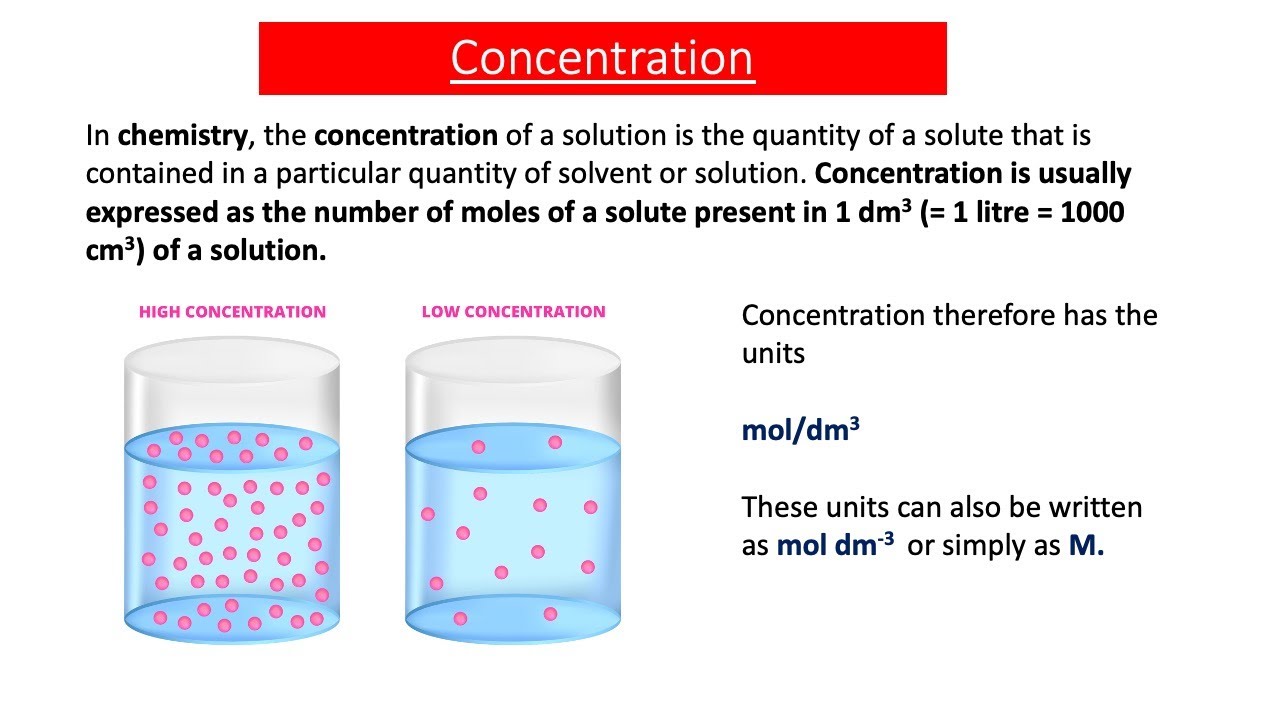
A concentration gradient isn't a physical flow of molecules in itself. Instead, it describes the difference in the concentration of a substance between two regions, such as the inside and outside of a living cell. This chemical imbalance creates a natural driving force. Because molecules are in constant random thermal motion, they spread out from areas where they are tightly packed to areas where they are sparse, a process that underpins nearly every biological transport mechanism in living organisms.
Understanding how molecules cross cell membranes requires looking closely at this gradient. The plasma membrane acts as a selective barrier, regulating what enters and leaves the cell to maintain homeostasis. While some substances slip straight through the lipid bilayer, others require specialized protein channels or pumps to navigate the cellular boundary.
Defining the Concentration Gradient
At its core, a concentration gradient represents potential energy. Picture a crowded room where everyone is bunched up near the door. As people move around randomly, more individuals naturally drift outward into the empty space of the hallway than move inward. Eventually, the distribution evens out.
In cellular biology, this same principle applies to ions, gases, and small organic molecules dissolved in water. When a high concentration of oxygen sits outside a cell and a low concentration sits inside, a gradient exists. The greater the difference in concentration over a given distance, the steeper the gradient, and the faster molecules tend to diffuse down that slope.
Molecules possess kinetic energy, causing them to bounce off one another continuously. This random motion is termed Brownian motion. Left to itself, this movement eliminates concentration differences over time, driving systems toward dynamic equilibrium where molecules move back and forth at equal rates in both directions.
Passive Transport: Moving Down the Slope
Passive transport relies entirely on the kinetic energy of the molecules and the existing concentration gradient. The cell expends no metabolic energy—in the form of adenosine triphosphate (ATP)—to drive this movement.
Simple Diffusion
Small, nonpolar molecules like oxygen ($\text{O}_2$) and carbon dioxide ($\text{CO}_2$) slip directly through the hydrophobic tails of the phospholipid bilayer. They move effortlessly from regions of high concentration to low concentration. For instance, your lung alveoli rely on simple diffusion to push oxygen into the bloodstream and pull carbon dioxide out.
Facilitated Diffusion
Larger, polar, or charged molecules—such as glucose, amino acids, sodium ions, and chloride ions—cannot easily cross the lipid core of the membrane. Instead, they need help from transport proteins embedded in the membrane.
- Channel proteins form water-filled pores that allow specific ions to pass rapidly down their electrochemical gradients.
- Carrier proteins bind to a specific molecule, change shape, and ferry it across the membrane.
Even though these proteins assist the journey, the net direction of movement is still dictated strictly by the concentration gradient. The molecules flow from high to low concentration without requiring cellular fuel.
Active Transport: Fighting the Gradient
Cells frequently need to accumulate substances against their concentration gradient—moving molecules from an area of low concentration to an area of high concentration. This process requires energy.
Primary active transport uses ATP directly. A prime example is the sodium-potassium pump ($\text{Na}^+/K^+$ ATPase). This protein pumps sodium ions out of the cell and potassium ions into the cell, both against their respective concentration gradients. By doing so, the cell maintains essential electrical potentials across its membrane, which nerve and muscle cells rely on to function.
Secondary active transport uses the energy stored in an existing electrochemical gradient created by primary pumps. A classic example is the sodium-glucose cotransporter in the intestine. As sodium ions rush down their concentration gradient into the cell, they drag glucose molecules along with them, even if glucose inside the cell is already at a higher concentration.
The Role of Osmosis
Osmosis is simply the passive transport of water across a semipermeable membrane. Instead of focusing on the solute concentration, think about water concentration. Water moves from a region of higher water concentration (lower solute concentration) to a region of lower water concentration (higher solute concentration).
- Hypotonic solutions feature a lower solute concentration outside the cell than inside. Water rushes into the cell, causing plant cells to stay turgid and animal cells to potentially lyse (burst).
- Hypertonic solutions feature a higher solute concentration outside the cell. Water flows out of the cell, leading to cellular shrinkage or crenation.
- Isotonic solutions balance solute concentrations inside and outside equally, resulting in no net movement of water.
To dive deeper into how membranes maintain these balances, read the detailed overview on the National Institutes of Health portal regarding cellular transport physiology.
Factors Influencing Transport Rates
Molecules don't cross membranes at a fixed speed. Several physical factors alter how quickly substances travel down or against a gradient:
- Steepness of the gradient: A steeper concentration difference creates a faster net rate of diffusion.
- Temperature: Higher temperatures increase the kinetic energy of molecules, speeding up movement.
- Molecular size: Smaller molecules diffuse more rapidly than larger, bulkier ones.
- Surface area: A larger membrane surface area accommodates more transport proteins and diffusion sites, speeding up exchange.
- Diffusion distance: Thinner membranes or shorter distances allow molecules to reach equilibrium much faster.
For more information on biological transport kinetics and biophysical principles, consult resources provided by the National Academy of Sciences.
Common Misconceptions
Students often confuse several core ideas when studying membrane transport. Clearing these up prevents conceptual errors later on.
- Misconception 1: Molecules stop moving at equilibrium. They don't. Equilibrium means the net movement stops because molecules cross in both directions at equal rates. Individual molecules keep bouncing around continuously.
- Misconception 2: Concentration gradients apply only to liquids. They apply equally to gases. Oxygen diffusing across alveolar walls operates on identical principles as sugar dissolving in water.
- Misconception 3: Passive transport means proteins aren't involved. While simple diffusion needs no proteins, facilitated diffusion is entirely passive yet depends heavily on specialized channel and carrier proteins.
Frequently Asked Questions
Does passive transport require any cellular energy?
No. Passive transport relies entirely on the natural kinetic energy of molecules and existing concentration gradients. The cell uses zero ATP for this process.
Why can some molecules cross the membrane freely while others cannot?
The interior of the phospholipid bilayer is hydrophobic (water-fearing). Small, uncharged, nonpolar molecules slip right through. Large, polar, or charged molecules get blocked by this oily barrier and require specific transport proteins to cross.
What is the difference between simple and facilitated diffusion?
Simple diffusion involves molecules passing directly through the lipid bilayer unassisted. Facilitated diffusion uses specialized transmembrane proteins—like channels or carriers—to help molecules cross faster or move substances that otherwise couldn't pass through the lipid core.
How does temperature affect the rate of diffusion?
Higher temperatures raise the kinetic energy of molecules. This causes them to move faster, increasing the rate of diffusion across the concentration gradient.



