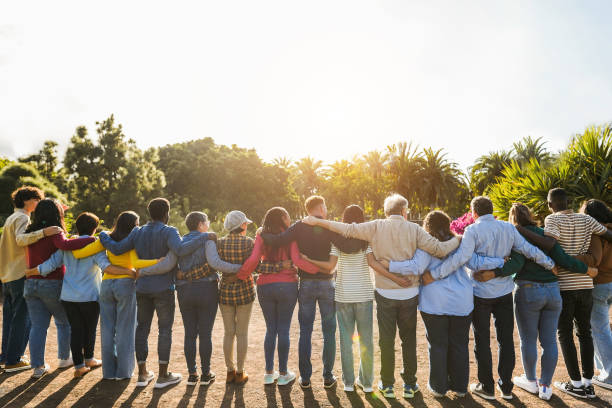
Bringing people together used to mean booking a church basement, printing flyers, or pinning notes to a coffee shop bulletin board. Today, it means managing Discord channels, hosting Zoom workshops, and running local meetups. But most organizers treat digital and physical spaces as entirely separate worlds. That disconnect is why online groups feel like ghost towns and local clubs struggle to attract new members.
Bridging online and offline spaces isn't about posting event reminders on Instagram. It's about designing a single, continuous experience where digital communication deepens real-world trust, and physical gatherings give digital relationships actual weight. When you get this right, your community stops being a collection of passive observers and turns into an active, self-sustaining network.
Understanding Hybrid Community Dynamics
The core mistake organizers make is treating online platforms as bulletin boards for offline events, or treating offline meetups as mere parties for internet friends. Real hybrid community building requires understanding how human attention shifts across mediums.
Digital spaces excel at asynchronous communication, broad reach, and low-barrier participation. Someone hesitant to speak up in a crowded room will type a thoughtful question in a chat thread. Physical spaces excel at high-bandwidth communication, emotional resonance, and deep trust. You can read micro-expressions, share food, and build visceral accountability in person in ten minutes that might take ten months online.
Think of digital spaces as your community's nervous system—where coordination, idea generation, and daily touchpoints happen. Think of physical spaces as the heartbeat—where people remember why they care about the mission in the first place. If you only have the nervous system, you get burnout and digital fatigue. If you only have the heartbeat, your reach stays trapped within a five-mile radius.
Designing the Digital-to-Physical Funnel
To build a bridge that actually carries traffic, you need a deliberate transition path. People don't jump from reading a tweet to driving across town for a Tuesday night workshop without stepping stones.
Step 1: Establish Low-Stakes Digital Entry Points
Start where your audience already spends time. Create a shared space like a Slack workspace, a dedicated forum, or a focused email list. Keep the barrier to entry low. Ask new arrivals to introduce themselves or share what problem brought them to your group.
Step 2: Introduce Micro-Interests and Sub-Groups
As your digital space grows, general channels get noisy. Break your members into smaller, interest-driven or geography-driven cohorts. A city-specific sub-channel or a project-focused working group lets people find peers who live near them or share niche passions.
Step 3: Transition from Digital Debate to Local Action
Don't plan local meetups from the top down. Look at your digital analytics and conversation threads. If five people in Chicago are debating a specific design problem in your software community, prompt them to grab coffee. Give your digital members the permission, templates, and light backing they need to host local pop-up gatherings.
Practical Strategies for Hybrid Engagement
Moving people smoothly across the digital-offline divide takes deliberate mechanics. You have to design rituals that span both worlds without feeling forced.
- Co-working sprints with local watch parties: Host a global online broadcast or workshop, but encourage members in major metro areas to book a library room or café corner to watch and discuss it together.
- Asynchronous pre-work for live events: Never waste physical meeting time on presentations that could be watched on video beforehand. Use online forums for reading, introductions, and Q and A priming so physical meetups focus entirely on workshops and relationship building.
- Physical artifacts from digital milestones: When your online community hits a major milestone, ship physical tokens—like stickers, zines, or badges—to active contributors. It grounds an intangible digital experience in the physical world.
According to research published by Harvard Business Review, successful modern organizations consciously design ecosystems where digital tools facilitate human connection rather than replacing it. Similarly, insights from Stanford Social Innovation Review emphasize that sustainable social impact depends on local accountability backed by scalable digital coordination.
Common Pitfalls in Community Architecture
Even experienced organizers stumble when merging digital and physical infrastructures. Watch out for these operational traps.
Over-Tooling Your Infrastructure
Many founders try to solve community engagement by stacking tools: a forum here, a project management board there, a chat app over here, and a custom event portal on top. Members get exhausted logging into five different platforms just to see what's happening. Pick one primary communication hub and one event platform, and stick to them.
Ignoring Local Nuance
A digital community often spans multiple time zones, cultures, and languages. If you try to run centralized physical events, you inevitably alienate everyone who doesn't live in your home city. Decentralize authority. Empower regional leads to run events that match their local culture instead of forcing a rigid corporate playbook onto independent groups.
Treating Members as Metrics
When you look at your community dashboard and see monthly active users instead of human beings, your strategy is already failing. Digital tools make it dangerously easy to optimize for vanity metrics like click-through rates and member counts while ignoring the actual depth of connection between participants.
Measuring What Actually Matters
Traditional marketing metrics will lie to you when you are building a community. Page views and sign-up forms don't tell you if people trust each other. Instead, track metrics that measure connection density.
- Cross-medium participation rate: What percentage of your active digital members attend local meetups or participate in regional initiatives?
- Member-to-member interactions: Are people replying to each other, or are they only responding to messages posted by the central organizers? A healthy community runs conversations without staff intervention.
- Retention through transitions: Do members who attend an offline event stay active in the digital channels six months later?
When these numbers climb, you know your bridge is holding weight.
Frequently Asked Questions
How do I start a local meetup if my online community is spread all over the world?
Look at user data to find clusters of three or more members living in the same metropolitan area. Reach out to them directly via direct message, offer to help them coordinate a casual coffee meetup, and provide digital swag or introductions to kickstart the group.
What is the best software stack for managing hybrid communities?
Keep it simple. Use a single chat platform like Discord or Slack for daily communication, a platform like Luma or Meetup for event management, and a simple document repository or wiki for shared resources. Avoid enterprise software bloat.
How do I keep online trolls from ruining physical meetups?
Establish a clear, public code of conduct for both digital and physical spaces. Require registration with real names or verified profiles for local events, and empower trusted local moderators to handle conflicts swiftly before they escalate.
How long does it take for a hybrid community to become self-sustaining?
Usually between 12 to 24 months of consistent cultivation. The tipping point arrives when core members start organizing meetups and welcoming newcomers without prompting from the original founders.



