Store credit cards often look appealing at the checkout counter when an associate promises instant discounts on your purchase. The Comenity Maurices credit card functions like many retail-branded cards, offering perks for frequent shoppers of the clothing brand alongside steep interest rates that can quickly derail personal budgets. Deciding whether this card will help or hurt your finances depends heavily on your payment habits, monthly cash flow, and discipline.
Store cards typically carry much higher Annual Percentage Rates (APRs) than standard general-purpose credit cards. If you pay your balance in full every single month, you avoid those interest charges entirely while pocketing rewards. However, carrying a balance even for a short period can erase any savings you gained from initial sign-up discounts. Understanding the mechanics of retail credit helps you weigh the true cost of store loyalty programs.
What is the Comenity Maurices Credit Card?
Issued by Comenity Bank, this store card is tailored for shoppers who frequently buy apparel and accessories from Maurices. Cardholders gain access to loyalty program tiers, birthday discounts, exclusive shipping offers, and points on purchases made at the retailer.
Like most private-label credit cards, it is typically restricted to use at Maurices locations and its online store, though cobranded versions sometimes exist depending on current issuing agreements.
Key Features and Rewards
- Point Accumulation: Earn points for every dollar spent on eligible Maurices merchandise.
- Reward Certificates: Accumulated points convert into store reward certificates for future apparel purchases.
- Special Member Perks: Access to cardholder-only sales events, anniversary bonuses, and promotional financing offers.
While these features sound attractive to frequent buyers, you must evaluate them against the restrictions. Points expire, rewards apply only to a single retailer, and the purchasing power remains confined to one brand.
How the Card Can Help Your Finances
Used strategically, retail credit cards offer specific financial advantages for disciplined consumers.
Building or Repairing Credit History
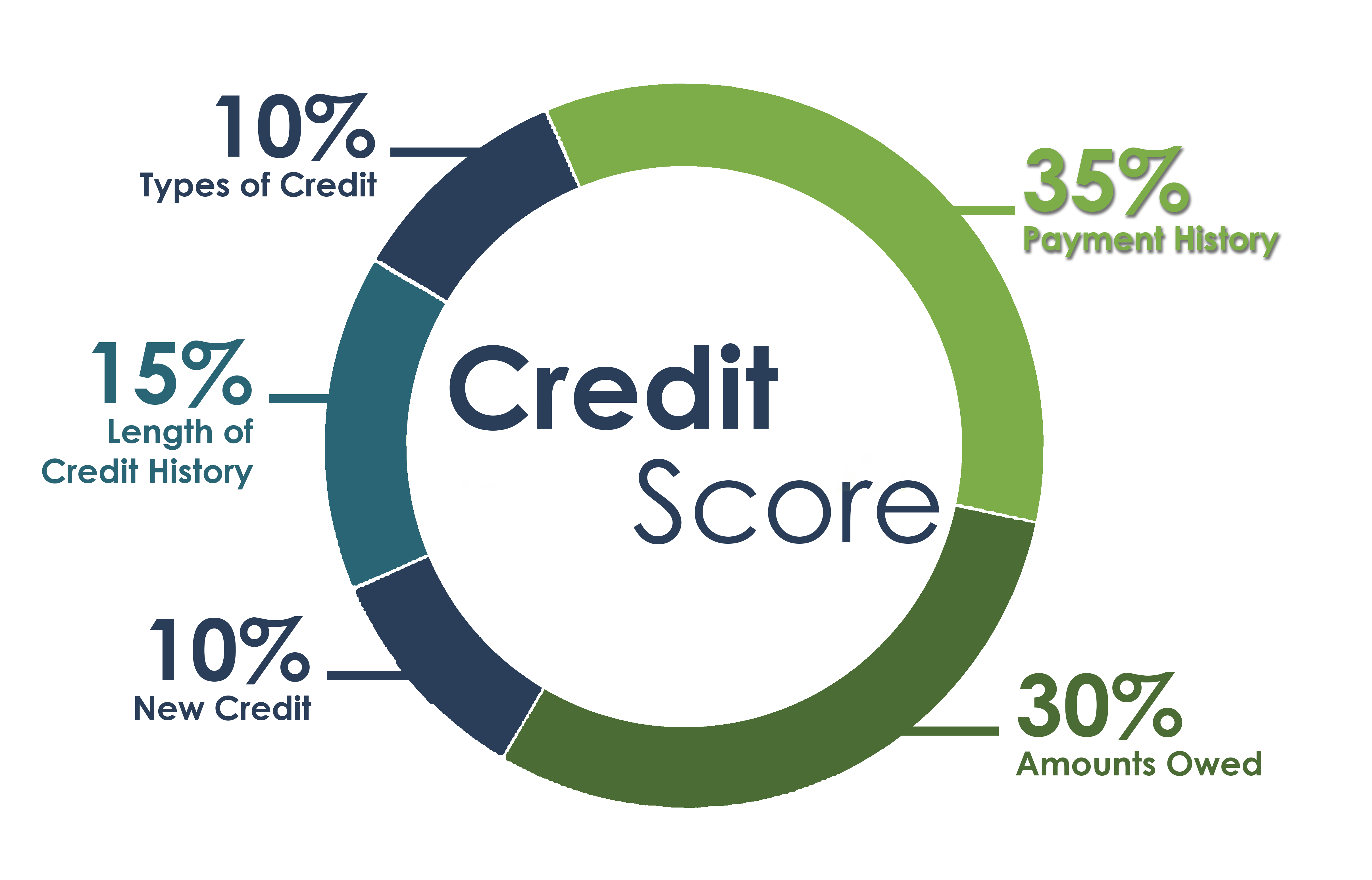
If you have a limited credit history or need to rebuild your score, store cards are often easier to qualify for than premium rewards cards. On-time payments report to major credit bureaus, helping establish a positive payment history, which accounts for thirty-five percent of your FICO score.
Maximizing Discounts on Necessary Purchases
If you already budget for your wardrobe updates at Maurices and make purchases you can afford with cash on hand, the rewards act as a genuine discount. Earning percentage-back rewards on items you would buy anyway stretches your clothing budget further.
How the Card Can Hurt Your Finances
The structure of retail credit cards creates several financial traps that catch consumers off guard.
Exorbitant Interest Rates
Store cards frequently charge APRs exceeding twenty-five to thirty percent. If you make a three-hundred-dollar purchase and only pay the minimum due, interest charges accumulate rapidly. A purchase meant to save you money ends up costing significantly more than retail price once interest compounds.
Deferred Interest and Promotional Traps
Promotional offers like "no interest if paid in full within six months" sound helpful, but they carry deferred interest clauses. If you miss the payoff deadline by even one day or leave a single dollar on the balance, interest calculates retroactively from the original purchase date.
Triggering Impulse Spending
Retailers design checkout lanes and loyalty programs to encourage higher spending. Receiving a twenty-dollar reward certificate often prompts an extra shopping trip where you spend eighty dollars more to justify using the reward.
Real-World Math: Rewards Versus Interest
Consider a practical scenario to see how store card math works out.
Jane opens a Maurices card, receives a fifteen percent discount on a one-hundred-dollar outfit, and earns reward points. She pays the balance off immediately. Jane successfully saved fifteen dollars and incurred zero interest.
Mark opens the same card, purchases four hundred dollars worth of clothing, and decides to pay the minimum amount each month. With an APR of twenty-eight percent, Mark's monthly interest charges add up quickly. Within six months, the clothing purchase costs him an extra one hundred twenty dollars in interest, completely erasing any promotional savings.
Alternatives to Retail Store Cards
Before applying for a store-specific card, consider broader financial products that offer better flexibility and lower risk.
- Cash-Back Credit Cards: General cash-back cards issued by major banks offer rewards usable anywhere, often with lower standard APRs.
- Debit Cards with Budgeting Apps: Using dedicated savings categories for clothing purchases ensures you never spend money you don't have.
- Retailer Gift Card Deals: Buying discounted gift cards through warehouse clubs or rewards portals can yield savings without opening a new credit line.
For more details on how retail cards impact your overall credit profile, review guidance from the Consumer Financial Protection Bureau. To understand how credit scoring models evaluate revolving credit utilization, consult the Federal Trade Commission.
Frequently Asked Questions
Can I use the Comenity Maurices card anywhere?
No. Private-label store cards are generally restricted to purchases at Maurices stores and their official website, unlike open-loop Visa or Mastercard credit cards.
Does applying for a Maurices card hurt my credit score?
Yes, applying triggers a hard inquiry on your credit report, which can temporarily drop your score by a few points. Approval also adds a new account, which lowers your average account age.
What happens if I miss a payment on my Comenity card?
Missing a payment triggers late fees, potential penalty APRs, and negative marks on your credit report that can damage your credit score for years.
Is it better to pay the balance in full every month?
Yes. Paying the full balance prevents all interest charges, allowing you to collect rewards without paying financing fees.



