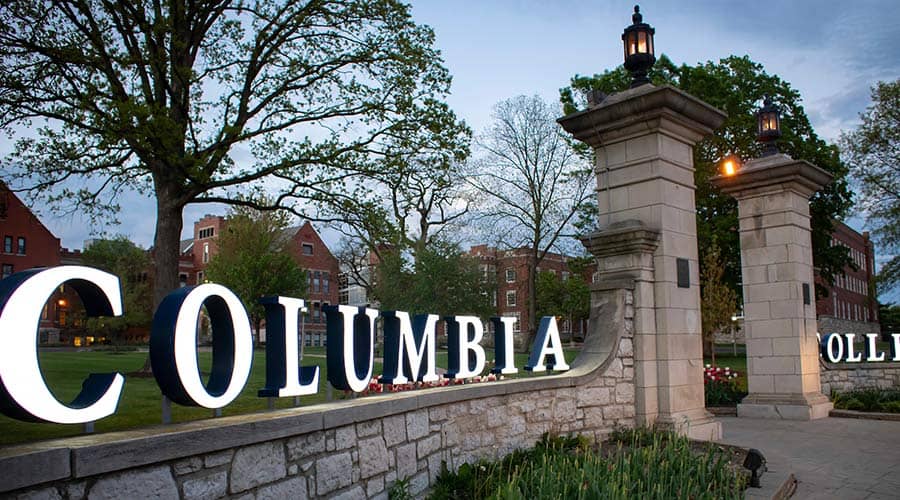
Columbia, South Carolina, is packed with historic districts, riverfront parks, and local dining spots that fly under the radar. While major landmarks like the South Carolina State House and Riverbanks Zoo draw steady crowds, the city's real charm lives in its quieter pockets. If you want to experience the capital city beyond the standard tourist trail, you need to know where to look.
Exploring Columbia's lesser-known areas means looking past downtown traffic and seeking out historic neighborhoods, hidden green spaces, and neighborhood commercial hubs. Whether you're visiting for a weekend or living in the Midlands and looking to switch up your routine, here is how to uncover Columbia's best-kept secrets.
Navigating Columbia's Historic Neighborhoods
Columbia is a city defined by its historic architecture and distinct neighborhood identities. Moving away from the commercial core reveals residential areas with deep roots and quiet streets.
Cottontown and Architectural Heritage
Just north of downtown, Cottontown features one of the city's most impressive collections of early 20th-century homes. Tree-lined streets showcase a mix of Craftsman bungalows, Tudor revivals, and colonial revival architecture. Walking through this historic enclave offers a peaceful glimpse into Columbia's residential past without the congestion of commercial strips.
The Energy of Main Street's Side Alleys
While Main Street itself is well-traveled, its hidden side alleys and restored historic facades harbor independent bookstores, local coffee roasters, and mural-covered brick walls. Taking time to wander off the main drag reveals community spaces and local art installations that define modern Soda City culture.
Natural Escapes and Green Spaces
Columbia's geography is shaped by the convergence of the Saluda and Broad rivers, creating natural corridors right at the edge of the urban center.
West Columbia Riverwalk
Across the river from downtown, the West Columbia Riverwalk offers miles of paved pathways shaded by a thick canopy of trees. It's an ideal spot for walking, running, or spotting local wildlife along the riverbanks. Unlike busier parks, quiet stretches here provide a true sense of seclusion.
Granby Park and Canal Trails
Tucked away near the Congaree River, Granby Park connects to miles of scenic pathways following historic canals. These areas give visitors a quiet retreat where the sounds of the city fade behind rustling leaves and flowing water.
Local Dining and Artisan Culture
The culinary scene in Columbia extends far beyond standard chain restaurants. Independent eateries and community markets anchor the city's neighborhood culture.
- Local Coffee Shops: Independent spots roast beans locally and provide cozy environments for reading or remote work.
- Neighborhood Bakeries: Family-owned bakeries offer scratch-made pastries and Southern breakfast staples.
- Seasonal Markets: Weekend community markets showcase regional farmers, ceramicists, and painters.
Common Mistakes When Exploring Columbia
Visitors often make a few predictable missteps when trying to experience the city's hidden spots:
- Sticking strictly to campus: While the University of South Carolina is central to Columbia's identity, limiting your trip to campus misses the historic neighborhoods and river parks.
- Ignoring the heat: Midday summer temperatures in the Midlands climb quickly. Plan outdoor walking in the early morning or late afternoon.
- Rushing between landmarks: Columbia rewards slow exploration. Give yourself time to walk down side streets rather than driving from parking lot to parking lot.
Frequently Asked Questions
What is the best time of year to visit Columbia?
Spring (March through May) and fall (September through November) offer comfortable temperatures for walking historic neighborhoods and exploring river parks. Summer months feature high humidity and frequent afternoon warmth.
Are Columbia's river walks free to access?
Yes, the Riverwalk parks managed by the city and local municipalities are open to the public free of charge, offering daily access to trails and scenic overlooks.
How do I get around Columbia if I don't have a car?
Downtown and surrounding historic districts like Cottontown are walkable, but reaching river parks or outlying areas is easiest via rideshare services or a personal vehicle.
Where can I park when exploring historic districts?
Most historic residential areas offer ample street parking. Downtown has dedicated parking decks and metered street spots that are usually free on weekends.


