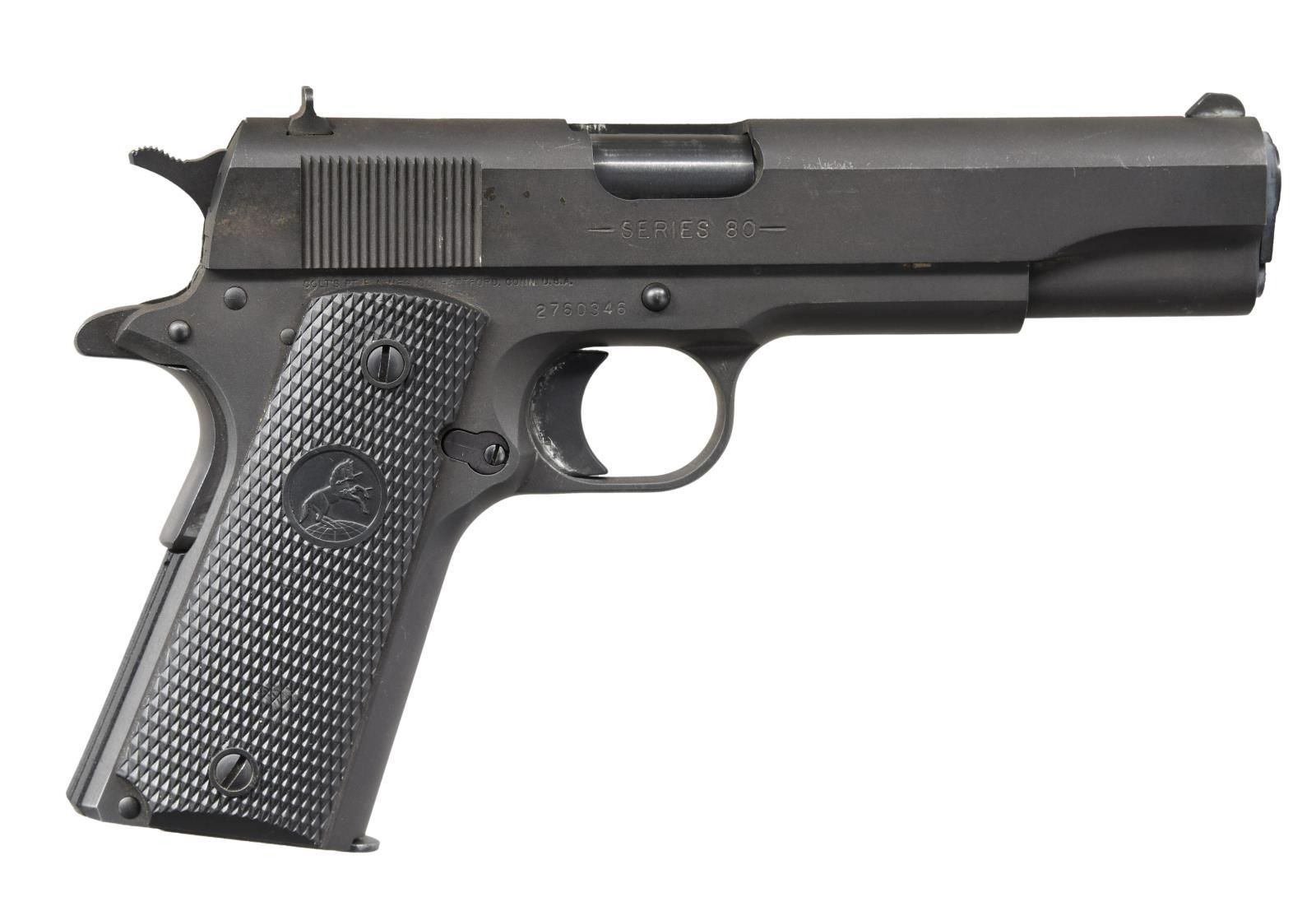
The development of repeating firearms in nineteenth-century America changed defense, industry, and westward expansion forever. At the center of this industrial shift stood Samuel Colt, whose aggressive patent enforcement and mass-production techniques shaped the market. While Colt became a household name, the broader landscape included brilliant mechanics, fierce courtroom battles, and complex partnerships that pushed firearm technology forward.
Understanding this era requires looking past the single-founder mythos. The growth of multi-shot handguns relied on a network of inventors, precision machinists, and investors who challenged Colt's dominance. Examining these early mechanics reveals how American manufacturing transformed from artisanal gunsmithing into an industrial powerhouse.
The Patent Foundation and Early Revolver Design
Early firearm design struggled with a fundamental mechanical challenge: how to align multiple powder chambers with a single barrel reliably and safely. Early attempts relied on pepperbox designs, which featured multiple barrels rotating around a central axis. These weapons were heavy, front-heavy, and difficult to aim accurately.
Samuel Colt's breakthrough wasn't inventing the idea of a revolving cylinder entirely, but securing master patents that covered the ratchet-and-pawl mechanism to advance the cylinder automatically as the hammer was cocked.
- The Patent Monopoly: Colt secured broad patent protections in the United States and Great Britain, granting him effective control over multi-shot revolving firearms through the 1840s and 1850s.
- Interchangeable Parts: Drawing inspiration from Eli Whitney's earlier work, Colt insisted on standardized, machine-tooled parts that could be swapped between weapons without custom fitting.
- The Paterson Era: Colt's early manufacturing efforts in Paterson, New Jersey, struggled financially, leading to initial bankruptcy before the Mexican-American War sparked massive government contracts.
Competitors and Challengers: The Massachusetts Arms Company
As demand for repeating handguns surged, rival inventors sought ways around Colt's ironclad patents. Independent gunsmiths and manufacturers experimented with alternative mechanisms to rotate and lock cylinders.
Inventors like Daniel Leavitt and Edwin Wesson developed alternative designs, such as the Wesson & Leavitt belt revolver. Their systems utilized different mechanical linkages to index the cylinder, aiming to offer the multi-shot capability consumers wanted without triggering patent infringement claims.
The Massachusetts Arms Company manufactured these competing revolvers, gaining traction among military officers and frontiersmen. For example, General Winfield Scott carried a smaller Wesson & Leavitt .31-caliber revolver during the Mexican-American War. However, these market inroads triggered aggressive legal responses from Colt's legal team, setting up landmark intellectual property battles.
The Legal Battles That Shaped the Industry
Samuel Colt viewed any multi-chamber revolving firearm as an infringement on his core patents. Armed with substantial capital and top-tier legal counsel, he launched aggressive infringement lawsuits against competing firms.
The legal confrontation with the Massachusetts Arms Company involved intense courtroom maneuvers, disputed patent files, and competing expert testimonies. Colt's strategy was designed not just to win damages, but to drain competitors of resources and halt their production lines.
- Injunctions and Halt of Output: Colt's lawsuits successfully forced several smaller makers to suspend manufacturing or alter their designs significantly.
- Consolidation of Power: By choking off rival production, Colt's enterprise became the largest manufacturer of civilian firearms in the United States by the mid-1850s.
- Forced Innovation: To survive, surviving inventors had to design around existing patents, inadvertently accelerating mechanical refinements in lockwork and frame strength.
You can read more about nineteenth-century manufacturing and corporate strategies via the Smithsonian Institution and the National Firearms Museum.
The Evolution of Interchangeable Manufacturing
The legacy of these early innovators extends far beyond handguns. The industrial methods required to produce thousands of identical frames, cylinders, and triggers laid the groundwork for modern mass production.
Before this era, gunsmiths hand-filed individual components, meaning parts from one pistol wouldn't fit another. The shift to specialized jigs, fixture-based milling machines, and drop-hammer forging changed everything. Colt's Hartford armory became a global showcase for industrial efficiency, attracting foreign engineers who wanted to study American manufacturing systems.
Frequently Asked Questions
Did Samuel Colt invent the first revolver?
No. Multi-shot revolving firearms existed in various flintlock configurations prior to Colt. Colt's primary innovation was patenting the practical mechanical system that automatically aligned and locked the cylinder when cocking the hammer.
How did competitors survive Colt's patent monopolies?
Rival makers attempted to design alternative rotation mechanisms that operated differently than Colt's patented ratchet system. However, many of these firms faced crippling lawsuits and were forced out of business or into restructuring.
Why was interchangeable manufacturing significant?
Standardized parts allowed weapons to be repaired quickly in the field using replacement components rather than requiring skilled gunsmiths to hand-fit custom pieces. This concept revolutionized global manufacturing well beyond firearms.
What role did military contracts play in early firearms success?
Government orders during conflicts like the Mexican-American War provided crucial financial stability and volume, allowing firearm manufacturers to scale up factory production and refine their machining techniques.


