Getting a call from your doctor's office after a routine screening can make your stomach drop. If your cervical cancer screening returned unusual results, your healthcare provider might recommend a colposcopy to take a closer look at your cervix. While the name sounds intimidating, it's a routine, in-office diagnostic procedure that takes about as long as a standard pelvic exam.
A colposcopy is a specialized medical examination that lets your doctor view your cervix, vagina, and vulva in high magnification using a lighted, binocular microscope called a colposcope. It doesn't enter your body; instead, it stays outside while your provider applies a mild solution to your cervix to highlight abnormal cells. If your provider spots any areas of concern, they can take a tiny tissue sample, known as a biopsy, right then and there. Knowing what happens during this appointment helps take the anxiety out of the unknown.
Why Doctors Recommend a Colposcopy
Most people undergo a colposcopy because a recent screening test flagged something unusual. Cervical cancer screenings, such as a Pap smear or an HPV test, are designed to catch cellular changes long before they turn into cancer. When those results aren't completely clear, a colposcopy bridges the gap between a simple screening and an accurate diagnosis.
Interpreting Screening Flags
Your primary screening doesn't diagnose cancer; it screens for risk. A Pap smear looks for physical changes in cervical cells, while an HPV test looks for high-risk strains of the human papillomavirus that can cause those changes. Common reasons you might get referred for this procedure include:
- An abnormal Pap smear showing atypical cells or low-grade/high-grade squamous intraepithelial lesions.
- A positive test result for high-risk HPV types, particularly HPV 16 or 18.
- Unexplained bleeding, such as bleeding after intercourse or between periods.
- Visible abnormalities noticed by your doctor during a standard pelvic exam.
Finding these markers doesn't mean you have cancer. In most cases, it simply means your doctor wants to investigate mild cellular changes to ensure they don't develop into anything more serious down the road. You can learn more about cervical health guidelines from the American College of Obstetricians and Gynecologists.
Preparing for Your Appointment
Preparation for a colposcopy is straightforward, but taking a few precautions ensures the procedure goes as smoothly as possible. Your clinic will usually give you specific instructions when you schedule the visit.
What to Do Before You Arrive
Timing matters for this procedure. Clinics typically schedule colposcopies when you aren't menstruating, as blood can obscure the view of the cervix. If your period starts, call the office to reschedule.
For 24 to 48 hours before your appointment, avoid anything that could alter your cervical cells or cause irritation. This means skipping sexual intercourse, using tampons, and applying vaginal creams, medications, or douches.
Managing anxiety is just as important as physical prep. It's completely normal to feel nervous. You can take an over-the-counter pain reliever like ibuprofen about an hour before your appointment to help manage any potential cramping, but check with your doctor first. Wearing comfortable clothes and bringing a panty liner for light spotting afterward makes the day much easier.
Step-by-Step: What Happens During the Procedure
The entire visit usually takes about 15 to 20 minutes, with the actual examination lasting only about 5 to 10 minutes. It feels very similar to getting a standard Pap smear.
The Examination Process
You'll lie on an exam table with your feet in stirrups. Your doctor will insert a speculum into your vagina to hold the walls open and give them a clear view of your cervix.
Next, they'll swab your cervix with a mild vinegar solution, often called acetic acid, or sometimes an iodine solution. This liquid might cause a cold or mild tingling sensation. It temporarily turns abnormal areas white, making them stand out under the magnified lens.
The doctor positions the colposcope a few inches away from your body outside your vagina. They look through the lens, adjusting the light and focus to inspect your tissue. If they see an area that looks suspicious, they'll use a tiny instrument to collect a small tissue sample.
Does a Biopsy Hurt?
If you need a biopsy, you might feel a sharp pinch or sudden cramp when the tissue sample is taken. The cervix has fewer nerve endings than other parts of the body, so it isn't excruciating, but it can be uncomfortable. The pinch only lasts a second. If no biopsy is necessary, the procedure is entirely painless, though the speculum might feel awkward.
Recovery and Aftercare
Once the examination wraps up, you can get right back to your normal daily routine. You don't need to arrange for someone to drive you home unless you feel unusually anxious or lightheaded.
Managing Side Effects
It's normal to experience some minor side effects over the next few days:
- Light spotting or brownish discharge for up to a week, especially if a biopsy was taken.
- Mild cramping that feels like a light period.
- A dark, coffee-ground-like discharge if your doctor used a brown iodine solution (Monsel's paste) to stop any minor bleeding at the biopsy site.
To give your cervix time to heal, avoid putting anything in your vagina for about a week, or until your doctor gives you the green light. Skip sexual intercourse, tampons, and baths or swimming pools during this recovery window.
Understanding Your Results
Waiting for lab results is the hardest part. The tissue samples go to a pathology lab where a specialist examines them under a microscope. This process usually takes one to three weeks.
Pathologists grade cervical cell changes using a system called Cervical Intraepithelial Neoplasia (CIN):
- CIN 1: Mild dysplasia. This often clears up on its own without treatment. Your doctor will likely just recommend a repeat test in 6 to 12 months.
- CIN 2: Moderate dysplasia. This indicates more significant changes that may require treatment, depending on your age and health history.
- CIN 3: Severe dysplasia or carcinoma in situ. This means abnormal cells are present across a larger layer of tissue and require prompt removal to prevent cancer.
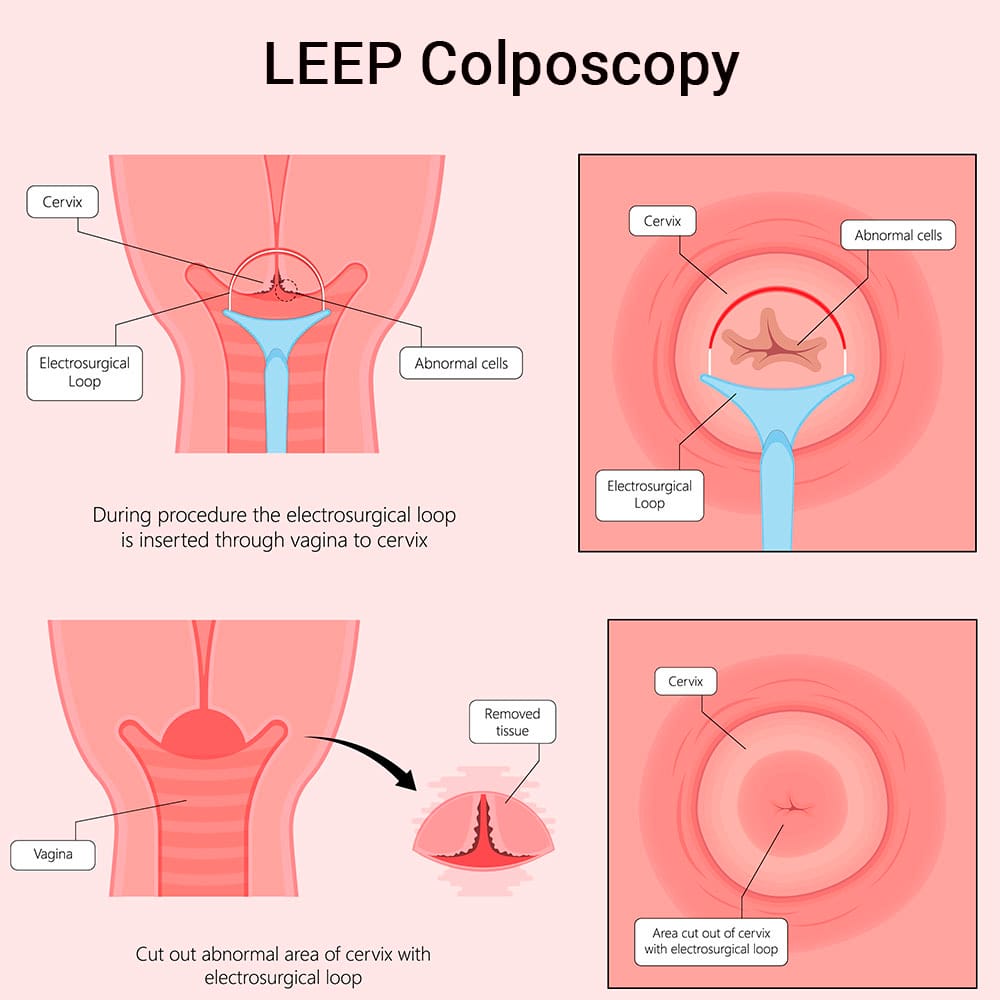
If your results show abnormal cells that need treatment, your doctor will discuss options with you. These might include a loop electrosurgical excision procedure (LEEP) or cryotherapy to remove the affected tissue. For official cancer statistics and prevention strategies, check out the National Cancer Institute.
Frequently Asked Questions
Can I have a colposcopy if I'm pregnant?
Yes, you can safely have a colposcopy during pregnancy. Because the procedure doesn't enter the uterus, it won't harm the baby. However, if you need a biopsy, doctors are much more cautious and will only perform one if they strongly suspect a serious issue.
How accurate is a colposcopy?
A colposcopy is a highly effective diagnostic tool. While the visual inspection alone isn't always definitive, combining it with targeted biopsies allows doctors to achieve a high degree of accuracy in diagnosing cellular changes.
What happens if I'm on my period during the appointment?
You'll need to reschedule. Menstrual blood makes it difficult for your doctor to get a clear, accurate view of the cervical tissue. Call your clinic as soon as your period starts so they can move your appointment to a clearer day in your cycle.
Will a colposcopy affect my ability to get pregnant later?
Routine colposcopies and single biopsies do not affect fertility or your ability to carry a pregnancy. In rare cases, more extensive treatments for advanced cellular changes can impact the cervix, but a standard diagnostic colposcopy is completely safe for future family planning.



