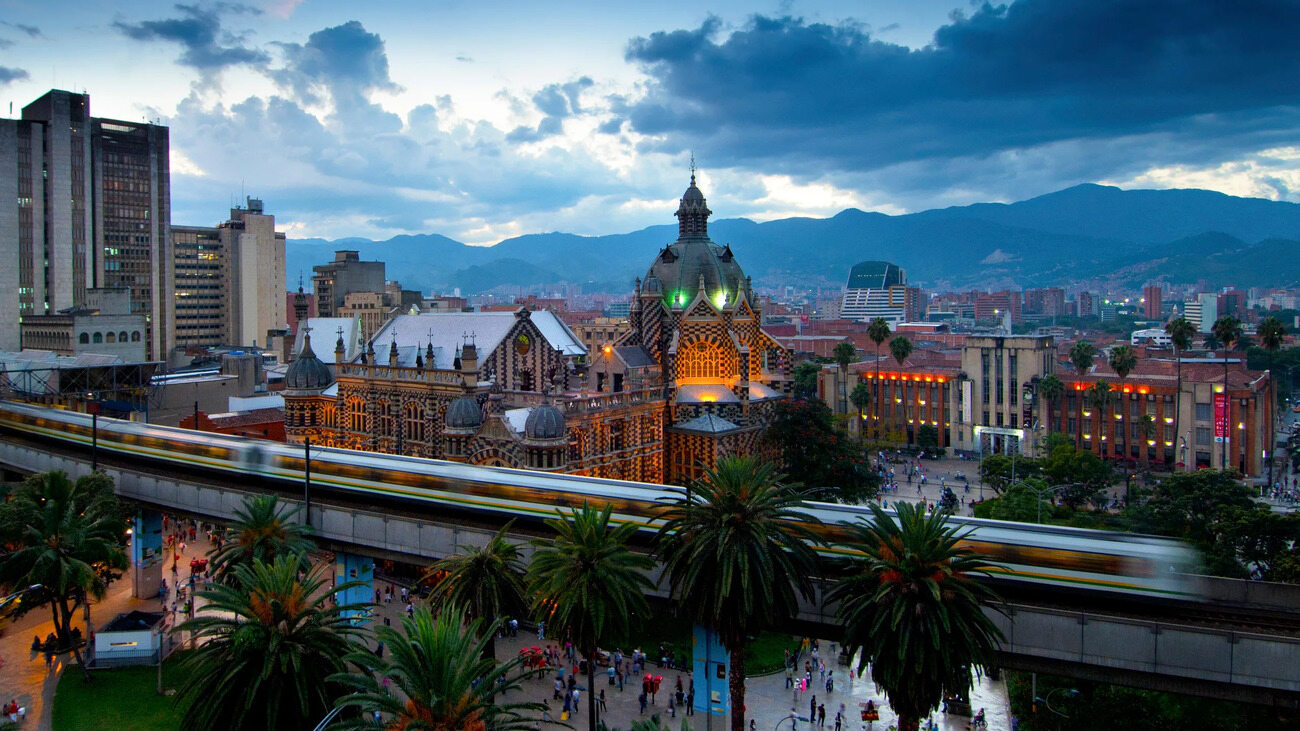
When people look at cross-continental diplomacy, South America and Southeast Asia rarely end up in the same sentence. Yet, examining Colombia and Thailand offers a sharp lens into how middle powers manage global supply chains, trade deficits, and diverging political systems. While physical distance keeps direct friction low, structural economic asymmetries and contrasting governance models create subtle diplomatic undercurrents.
Trade figures tell an immediate story of imbalance. Thailand consistently maintains a substantial trade surplus with Colombia, exporting manufactured goods, machinery, and automotive parts, while Colombia's outbound shipments to Bangkok largely consist of raw materials, scrap metals, and precious stones. This disparity fuels ongoing debates in Bogotá regarding industrial diversification and export dependency, setting the stage for a broader examination of how these two economies interact on the world stage.
The Economic Asymmetry and Trade Imbalance
Bilateral commerce between Bogotá and Bangkok is characterized by a classic North-South structural imbalance. According to trade tracking data from the Observatory of Economic Complexity, Thailand's exports to Colombia dwarf its imports, reaching hundreds of millions of dollars annually.
- Thai Exports: Dominated by high-value industrial goods, household appliances, and delivery trucks.
- Colombian Exports: Weighted heavily toward raw inputs, including scrap copper, aluminum, and precious stones.
This division creates distinct policy challenges. Colombia wants to move away from raw commodity reliance and break into Asian markets with value-added goods. Meanwhile, Thailand views Colombia primarily as a strategic wedge or gateway into the broader Latin American consumer market. Because Colombia is a member of the Pacific Alliance, Thai trade ministries see Bogotá as a key entry point, but bureaucratic hurdles and strict regulatory frameworks often slow down deeper market integration.
Diverging Political Systems and Diplomatic Postures
Beyond balance sheets, political structures in both countries diverge sharply. Thailand's governance model has historically navigated periods of heavy military influence and stringent legal protections for the monarchy. Colombia operates under a constitution heavily focused on pluralism, judicial oversight, and a vocal posture on international human rights.
These differences manifest during multilateral forums. Colombia frequently aligns with Western-led initiatives on human rights governance and democratic norms, occasionally creating friction with Thailand's traditional foreign policy stance of strict non-interference and sovereign caution. Despite these ideological gaps, formal diplomatic channels remain polite and functional. Both nations celebrated decades of official diplomatic ties by emphasizing technical cooperation, sustainable tourism, and educational exchanges rather than letting ideological variance stall communication.
Regional Integration: ASEAN and the Pacific Alliance
Both nations act as anchors within their respective geographic blocs, yet their integration strategies differ wildly.
- Thailand's Regional Focus: Anchored in the Association of Southeast Asian Nations (ASEAN) and the Regional Comprehensive Economic Partnership (RCEP). Bangkok prioritizes supply chain stability, regional manufacturing networks, and multilateral consensus.
- Colombia's Regional Focus: Anchored in the Pacific Alliance alongside Chile, Peru, and Mexico. Bogotá leans into open-market bilateral free trade agreements and transatlantic economic integration.
When trade officials from both countries meet for bilateral consultations, these regional commitments shape their negotiating styles. Thailand pushes for streamlined customs rules and intellectual property protections to safeguard its electronics and automotive sectors. Conversely, Colombia emphasizes environmental safeguards, intellectual property rights concerning traditional biodiversity, and market access for agricultural products.
Common Friction Points in Bilateral Cooperation
Navigating a trans-Pacific relationship introduces logistical and regulatory hurdles that frequently frustrate business leaders on both sides.
- High Logistics Costs: Shipping goods across the Pacific Ocean involves lengthy transit times and steep freight overheads, limiting trade to high-margin goods or essential raw materials.
- Regulatory Misalignment: Thailand's industrial export standards require complex compliance certifications that smaller Colombian enterprises struggle to meet.
- Bureaucratic Red Tape: Foreign investors entering Colombia often cite complex local tax structures and slow licensing procedures as major deterrents.
To mitigate these barriers, business councils advocate for digitized customs protocols and streamlined visa processing for corporate travelers, though progress remains incremental.
Frequently Asked Questions
What are the main goods traded between Colombia and Thailand?
Thailand primarily exports household appliances, synthetic fibers, machinery, and motor vehicles to Colombia. Colombia exports raw materials, scrap copper, aluminum, and precious stones back to Thailand.
Does a free trade agreement exist between Colombia and Thailand?
No comprehensive bilateral free trade agreement exists between the two nations. Trade is conducted under standard World Trade Organization rules, supplemented by periodic bilateral government consultations.
Why does Thailand maintain a trade surplus with Colombia?
Thailand exports higher-value manufactured goods and technology-intensive products, which command higher market prices than the raw commodities and basic material scrap that Colombia predominantly sells.
How do political differences affect their diplomatic relationship?
While Colombia emphasizes human rights advocacy in international forums and Thailand prioritizes non-interference, these political variances rarely disrupt day-to-day relations, which focus pragmatically on economic cooperation, cultural sharing, and technical assistance.



