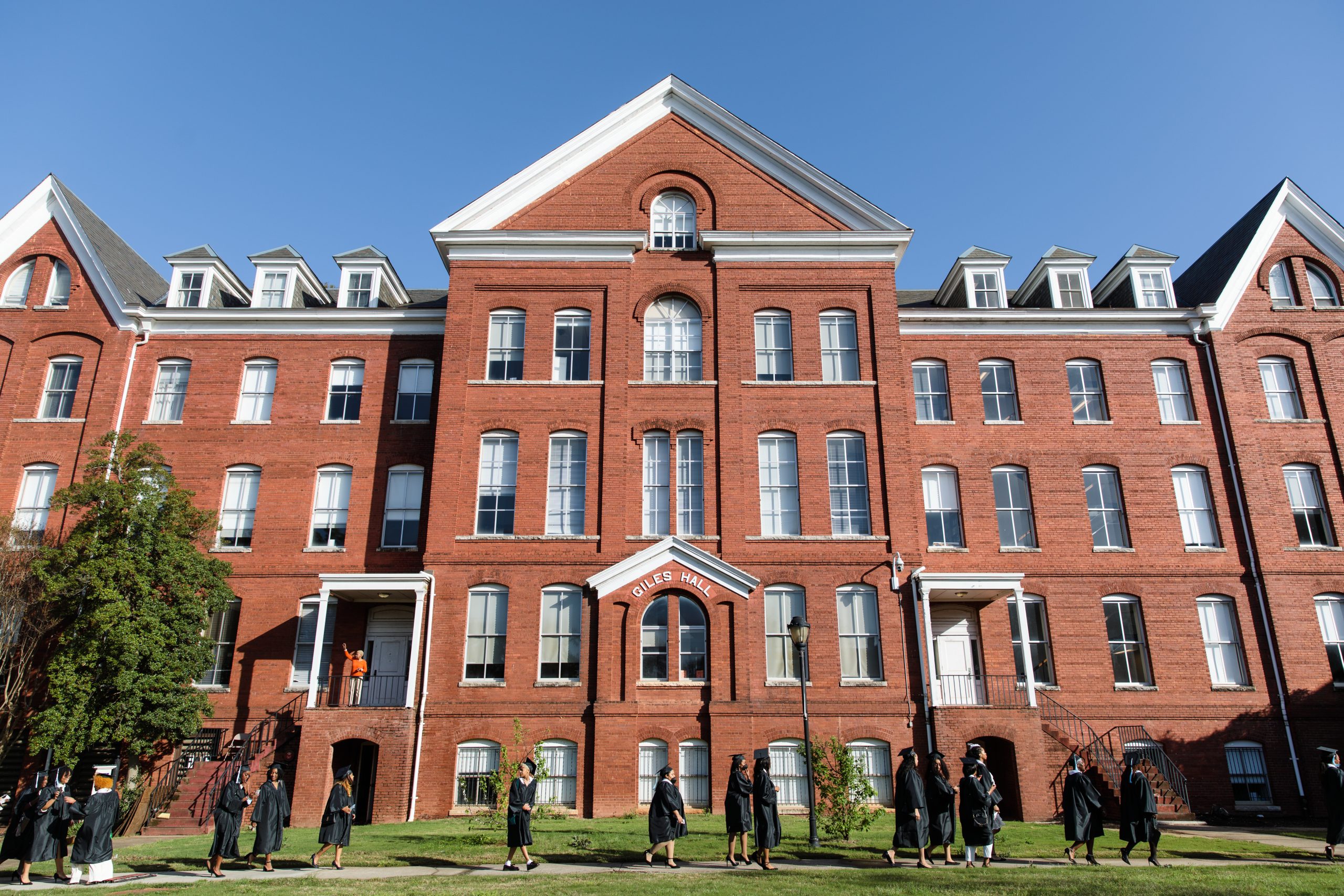
The college football coaching carousel moves fast, driven by massive buyouts, impatient boosters, and the constant pressure to win immediately. When a program fires a coach, it triggers a domino effect across the country that impacts recruiting classes, athletic department budgets, and player retention.
Schools spend millions cutting ties with underperforming leaders, only to repeat the exact same process a few years later. Understanding why this cycle spins out of control requires looking past the weekly box scores and examining the financial and structural forces powering major college athletics.
The Financial Engine Driving the Carousel
Multi-million-dollar buyout clauses shape every major decision athletic directors make. When a university hands a coach a long-term contract, it usually includes guaranteed money that must be paid out in full if fired without cause.
- Escalating Buyouts: Major programs routinely commit tens of millions in severance packages. For example, recent firings at programs like Maryland and Baylor involved heavy financial obligations that proof-test university athletic budgets.
- Booster Pressure: Wealthy donors who fund Name, Image, and Likeness collectives and stadium upgrades expect a direct return on investment. If a team misses a bowl game or drops rivalry matches, booster discontent turns into direct pressure on university presidents.
- Television Revenue: Massive media rights deals provide athletic departments with steady cash flow, giving administrators the false security needed to absorb huge financial losses when a coaching change goes wrong.
Why Impatience Defines Modern Athletics
Universities rarely give modern coaches the four to five years needed to build a program from scratch. The pressure cooker of high expectations means a single disappointing autumn can erase half a decade of steady progress.
Administrative panic often overrides long-term planning. Athletic directors fear losing season ticket holders and corporate sponsors more than they fear paying a massive buyout. This short-term mindset forces coaches to take aggressive risks with roster management and transfer portal spending, setting up volatile cycles where stability is entirely absent.
The Ripple Effect on Player Rosters
When a head coach leaves or gets fired, the players bear the heaviest burden. The NCAA transfer portal rules give student-athletes specific windows to enter the portal without sitting out a season.
- Immediate Exodus: A coaching change triggers a 15-day transfer window that lets players scatter. Entire position groups can evacuate a campus before the new staff even steps foot in the facility.
- Broken Commitments: High school recruits who committed to a specific culture or position coach suddenly find themselves bound to a university whose leadership has completely changed.
- Locker Room Disruption: Trust takes years to build but breaks in days. Players caught in coaching transitions often struggle with academic continuity and scheme changes.
According to data tracked by outlets like CBS Sports, dozens of programs shuffle their leadership hierarchy every single winter, forcing rosters to reconstruct from scratch year after year.
Breaking the Cycle: Is Sustainable Success Possible?
A handful of programs prove that long-term stability still wins games, even in an era defined by constant turnover. Schools that prioritize alignment between the president, athletic director, and head coach tend to weather losing seasons without blowing up the entire infrastructure.
Patience requires institutional courage. When an athletic department refuses to panic after a five-win season, it signals to recruits and assistants that stability matters. Unfortunately, the gravitational pull of the traditional hire-and-fire model remains overwhelmingly strong across the Football Bowl Subdivision.
Frequently Asked Questions
Why do universities pay such massive buyouts?
Coaches demand guaranteed money to protect themselves against volatile athletic department environments. Because other schools are willing to offer fully guaranteed contracts, athletic directors must match those terms to land top candidates.
How does the transfer portal impact coaching stability?
The transfer portal accelerates both success and failure. Coaches can flip a roster overnight using experienced veterans, but it also means a newly hired coach faces an empty locker room if players decide to leave en masse.
Do interim coaches ever get the permanent job?
Rarely, but it happens. Most interim stints serve as a bridge to evaluate the roster while the athletic department conducts a quiet national search behind the scenes.
How long is the average tenure for an FBS football coach?
The average tenure hovers around three to four years at the Power Four level before performance pressures or greener pastures lead to a separation.



