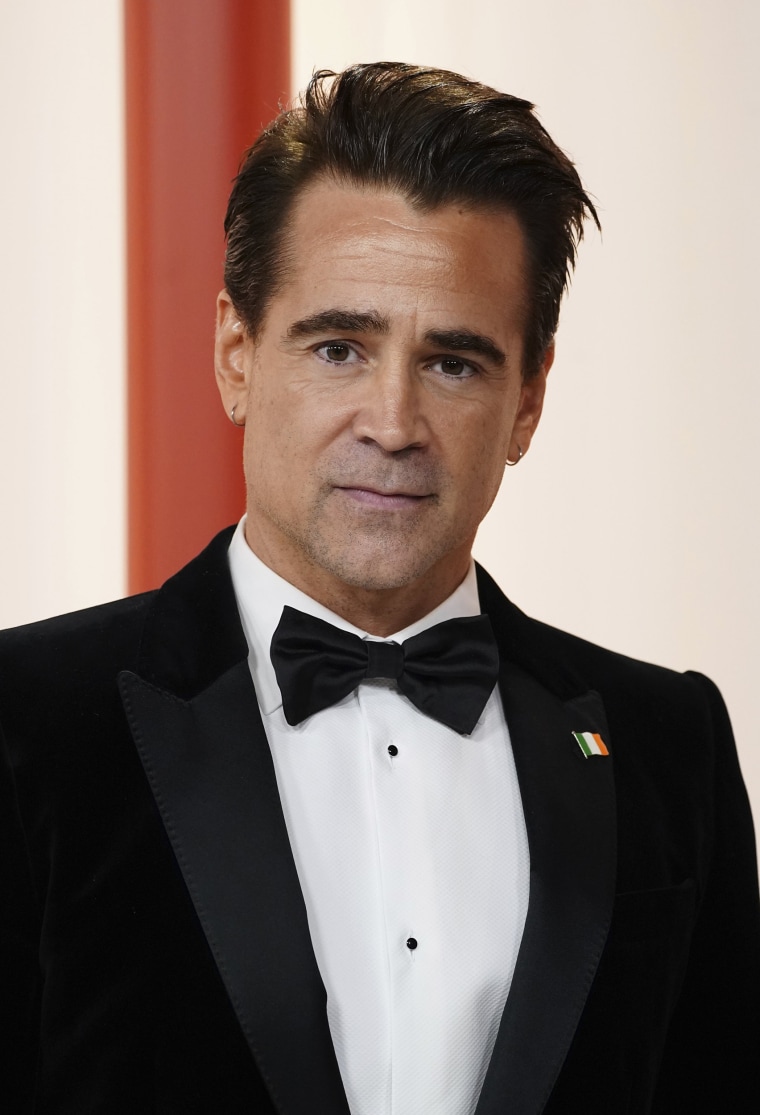
When people think of Hollywood career pivots, they usually picture musicians trying out independent films or athletes stepping into commercial modeling. Yet, transitions from rigorous scientific tracks into performing arts carry a entirely different weight. Colin Egglesfield walked away from medical school to pursue acting, creating a fascinating trajectory that challenges standard assumptions about education and professional identity.
Most profiles of actors who started in professional training programs focus strictly on their television credits or modeling portfolios. They skip the grit of changing course mid-stream, the financial pressures of abandoning a secure career track, and the psychological hurdles of starting over in an unforgiving industry. This deep dive examines the exact mechanics of Egglesfield's transition, the realities of breaking into competitive television markets, and the practical takeaways for anyone contemplating a radical professional pivot.
The Pre-Actor Foundation: Why Medicine First?
Before appearing on daytime dramas and prime-time network television, Egglesfield studied pre-med at Iowa State University and later attended medical school. Growing up in a traditional household, the path toward healthcare represented security, societal contribution, and a guaranteed professional standing.
Pursuing a medical degree requires an immense investment of time, money, and emotional energy. Walking away from that path isn't a casual whim; it stems from a profound realization that the intended destination doesn't match personal fulfillment.
- The Expectation Trap: High-achieving students often choose stable careers because they excel academically, ignoring their creative inclinations until burnout sets in.
- The Sunk Cost Fallacy: Many professionals stay in grueling fields simply because they've already invested years into prerequisites and entrance exams.
- The Pivot Point: Egglesfield recognized early that his passion lay in storytelling and performance rather than clinical practice, prompting a complete reassessment of his future.
Breaking Into Modeling and Early Commercial Work
After stepping away from his medical studies, Egglesfield didn't land a starring television role overnight. Like many aspiring performers in major metropolitan markets, he started in commercial modeling.
Moving to New York and Milan opened doors in the fashion industry. He worked with major brands, appearing in print campaigns and runway shows. While modeling provides financial stability and camera comfort, it rarely translates smoothly into dramatic acting without extensive training.
- Building Camera Confidence: Modeling teaches physical awareness, lighting angles, and how to maintain composure under pressure.
- Overcoming Rejection: The fashion industry is notoriously brutal, instilling a thick skin that serves actors well during pilot season auditions.
- Networking Foundations: Working with global brands exposes performers to industry insiders, directors, and casting agents who bridge the gap between fashion and film.
Transitioning to Television: Daytime and Prime-Time Breakthroughs
The shift from print campaigns to scripted television required dedicated acting instruction. Egglesfield enrolled in reputable studios to hone his craft before landing guest spots and recurring roles.
His big break came with daytime television, notably playing Josh Madden on All My Children. Daytime soaps serve as the ultimate acting bootcamp. Actors must memorize dozens of pages of dialogue daily, hit strict marks, and deliver emotional resonance under tight broadcast schedules.
Following his soap opera tenure, Egglesfield transitioned into prime-time television and feature films. Notable roles in series like Melrose Place and The Client List demonstrated his range across different genres.
- The Soap Opera Bootcamp: Daily television production builds rapid memorization skills and teaches performers how to work efficiently with multiple camera setups.
- Prime-Time Adaptation: Moving to weekly or streaming formats requires a shift toward subtle character development and nuanced physical acting.
- Genre Versatility: Balancing romantic leads, dramatic guest spots, and independent film projects prevents typecasting.
Overcoming Personal and Professional Adversity
No career path moves in a straight line. During his ascent in television, Egglesfield faced significant health challenges, including a battle with testicular cancer. Navigating major medical treatments while maintaining a public-facing career tests anyone's resilience.
These experiences fundamentally change an artist's perspective. Instead of chasing superficial validation, mature actors often gravitate toward stories with deeper emotional stakes and engage in philanthropic work. Egglesfield used his platform to advocate for cancer awareness and support organizations dedicated to health education.
- Resilience Under Pressure: Balancing medical treatments with demanding shooting schedules demands extraordinary mental toughness.
- Shifting Priorities: Surviving life-threatening illnesses often refocuses an artist on meaningful storytelling and community engagement.
- Public Advocacy: Using personal trials to educate the public transforms private struggles into communal support systems.
Practical Lessons From an Unconventional Career Pivot
Egglesfield's trajectory offers clear, actionable insights for professionals in any field who feel trapped by their initial educational choices. A degree is a foundation, not a life sentence.
- Audit Your Discontent: If your current career path brings persistent dread rather than challenge, identify whether it's the environment or the core profession that needs changing.
- Accept the Learning Curve: Transitioning into an entirely new industry means starting at the bottom. Expect to take entry-level roles or classes to build baseline competency.
- Leverage Transferable Skills: Discipline learned in demanding academic environments—such as time management and rigorous focus—applies directly to mastering complex creative scripts.
- Maintain Financial Runways: Big career changes require a buffer. Secure part-time or flexible work to sustain yourself while building new skills.
Frequently Asked Questions
Did Colin Egglesfield finish medical school?
No, he left medical school before completing his degree and earning a medical license to pursue modeling and acting.
What was Colin Egglesfield's first major television role?
He gained widespread recognition playing Josh Madden on the long-running daytime drama All My Children.
How did modeling help his acting career?
Modeling provided early exposure to professional camera work, helped him develop screen presence, and funded his initial acting classes in New York.
What health challenges did he overcome?
Egglesfield successfully battled testicular cancer during his acting career, later becoming an active advocate for cancer awareness and research.


