When an arctic blast descends, temperatures can plummet by twenty degrees in a matter of hours, turning ordinary winter weather into a life-threatening crisis. A severe cold wave catches many households off guard, resulting in burst pipes, failed heating systems, and dangerous exposure risks. Knowing how to prepare before temperatures drop below freezing makes the difference between weathering the storm safely and facing costly emergency repairs.
To prepare for an arctic blast, you need an actionable plan that covers home winterization, emergency supplies, and personal safety. Unlike generic advice, effective cold weather preparation requires specific mechanical steps, realistic thresholds for pipe freezing, and clear protocols for maintaining body heat when the power fails. Let's look at how to protect your home and family when extreme cold hits.
Home Winterization and Preventing Frozen Pipes
The single most common property threat during a severe cold wave is frozen plumbing. When water turns to ice inside a pipe, it expands with immense force, frequently causing metal or plastic lines to rupture. Once temperatures stay below twenty degrees Fahrenheit for more than twenty-four hours, vulnerable pipes are at high risk.
Locating and Insulating Vulnerable Lines
Pipes located in unheated or poorly insulated spaces—such as crawl spaces, attics, exterior walls, and garage utility rooms—are the first to freeze.
- Wrap exposed pipes with foam pipe insulation sleeves or heavy-duty fiberglass wraps before freezing weather arrives.
- Seal any air leaks around doors, windows, and basement vents that let drafts blow directly onto plumbing runs.
- Know the location of your main water shutoff valve so you can turn it off immediately if a pipe splits.
Managing Faucets During Sub-Zero Nights
When severe sub-zero temperatures hit, letting interior faucets drip slightly can prevent pressure buildup in the lines.
- Open both hot and cold taps to a slow, steady trickle—about the size of a pencil lead—on the side of the house most exposed to wind.
- Keep cabinet doors under sinks open so warm indoor air circulates around the plumbing fixtures.
- If a pipe freezes, never use an open flame like a blowtorch to thaw it. Use a hair dryer, heat tape, or warm towels wrapped around the pipe, starting from the faucet end and working backward.
Building a Reliable Emergency Power Outage Kit
An arctic blast frequently coincides with heavy ice or snow loads that snap power lines, leaving homes without electricity for days. When the heater stops working, indoor temperatures drop rapidly. Having a well-stocked emergency kit ready in a designated closet is essential.
Essential Supplies for 72 Hours Without Power
Your kit should sustain every household member for at least three days without municipal services.
- Water storage: Store at least one gallon of drinking water per person per day, plus extra for hygiene.
- Non-perishable food: Pack ready-to-eat canned goods, protein bars, peanut butter, and a manual can opener.
- Alternative lighting: Keep heavy-duty LED flashlights, headlamps, and extra batteries ready. Avoid relying on candles due to fire hazards during structural emergencies.
- Communication tools: Include a battery-operated or hand-crank NOAA Weather Radio to receive official emergency broadcasts.
Safe Heating Alternatives
When the power grid fails, keeping warm requires careful management of indoor spaces.
- Confine your family to a single, well-insulated room with south-facing windows to capture daytime solar heat.
- Hang thick blankets or heavy quilts over doorways and windows to block drafts.
- Never bring outdoor propane grills, camp stoves, or unvented gas heaters indoors. These appliances emit lethal carbon monoxide gas that can accumulate quickly in a sealed home. Install working carbon monoxide detectors on every level of your house.
Personal Safety and Health Risks
Extreme cold places immense physical stress on the human body. Frostbite and hypothermia can set in within minutes when wind chills drop below negative twenty degrees. Recognizing early symptoms prevents minor exposure from turning into a medical emergency.
Recognizing Hypothermia and Frostbite
Hypothermia occurs when core body temperature drops below normal levels.
- Early signs include uncontrollable shivering, slurred speech, clumsiness, and extreme fatigue. If someone shows these symptoms, move them indoors immediately, remove wet clothing, and wrap them in warm blankets while offering warm, non-alcoholic fluids.
- Frostbite affects extremities like fingers, toes, nose lobes, and ears. Skin turns pale or blue and feels unusually firm or waxy. Never rub frostbitten skin, as friction causes further tissue damage. Immerse the affected area in warm—not hot—water.
Outdoor Exertion and Cardiac Strain
Shoveling heavy, wet snow in sub-zero weather forces the heart to work significantly harder. The combination of freezing air and heavy lifting constricts blood vessels and spikes blood pressure.
- Take frequent breaks while clearing driveways and push the snow rather than lifting it whenever possible.
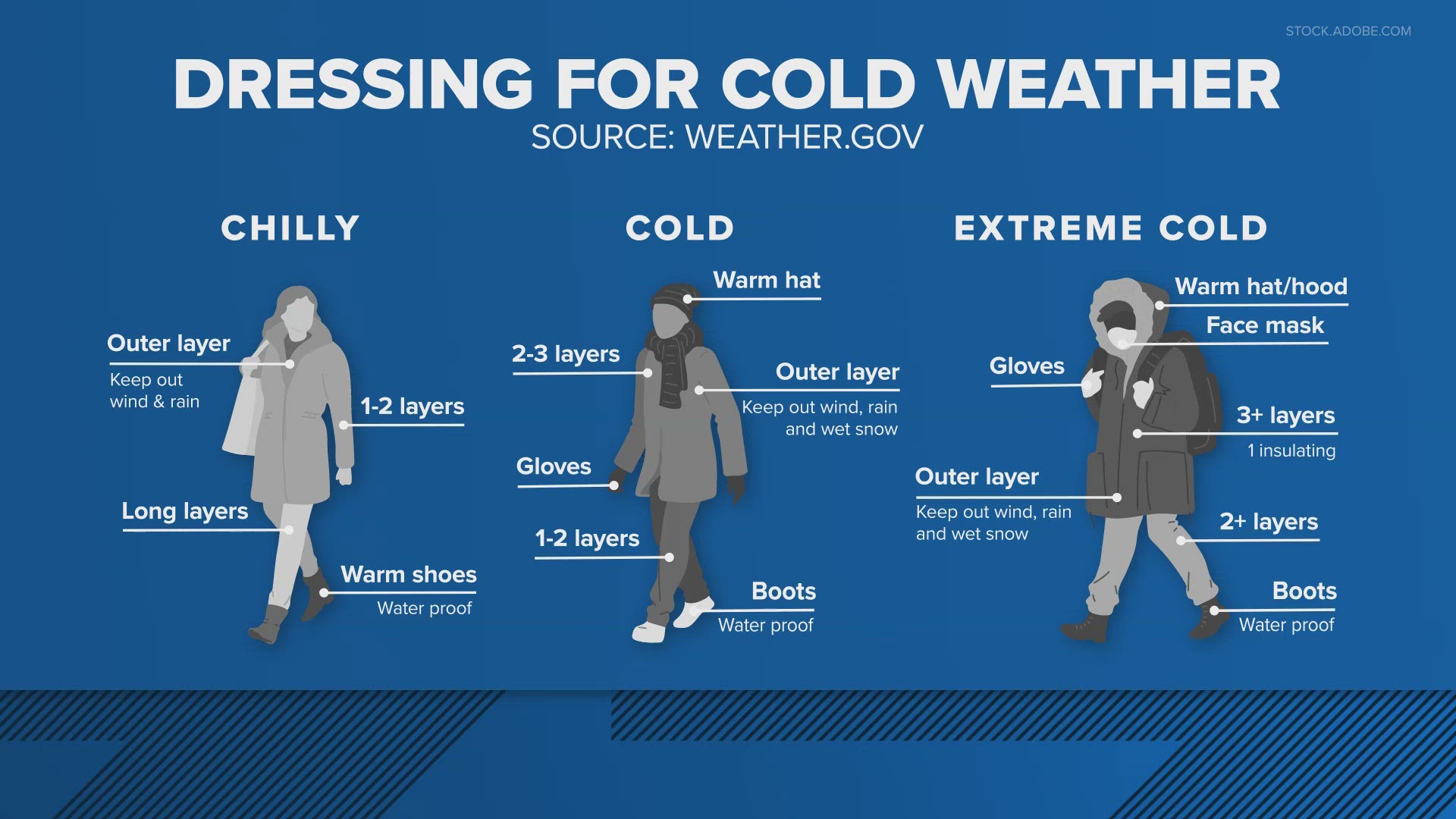
- Dress in multiple lightweight, moisture-wicking layers rather than one bulky coat. Wool and synthetic fleeces retain insulating properties even if you sweat, whereas cotton traps moisture against the skin and accelerates cooling.
- According to the Centers for Disease Control and Prevention, cold-weather safety requires pacing physical labor and recognizing when your body needs rest.
Frequently Asked Questions
At what temperature do pipes actually freeze?
Pipes generally begin to freeze when ambient temperatures drop to twenty degrees Fahrenheit or lower for six consecutive hours. However, wind chill factors and direct drafts can cause freezing at higher ambient temperatures if cold air blows directly onto an uninsulated wall cavity.
Should I keep my thermostat set higher during an arctic blast?
Keeping your thermostat at a constant, moderate setting—such as sixty-eight degrees—is more efficient than turning it up high. Cranking the thermostat doesn't heat the house any faster; it only forces your furnace to run continuously, increasing the risk of mechanical failure during peak grid demand.
How can I keep pets safe during extreme cold?
Bring all pets indoors when temperatures drop below freezing. If an animal lives part-time in a garage or outdoor shelter, ensure their bedding is thick and elevated off the concrete floor, and check their water bowl frequently to break the ice and ensure clean hydration is available.
What is the safest way to thaw frozen food if the power goes out?
Keep your refrigerator and freezer doors closed as much as possible to maintain cold temperatures. A full freezer will hold its temperature for about forty-eight hours. If food thaws completely and reaches above forty degrees Fahrenheit for more than two hours, discard it for safety.



