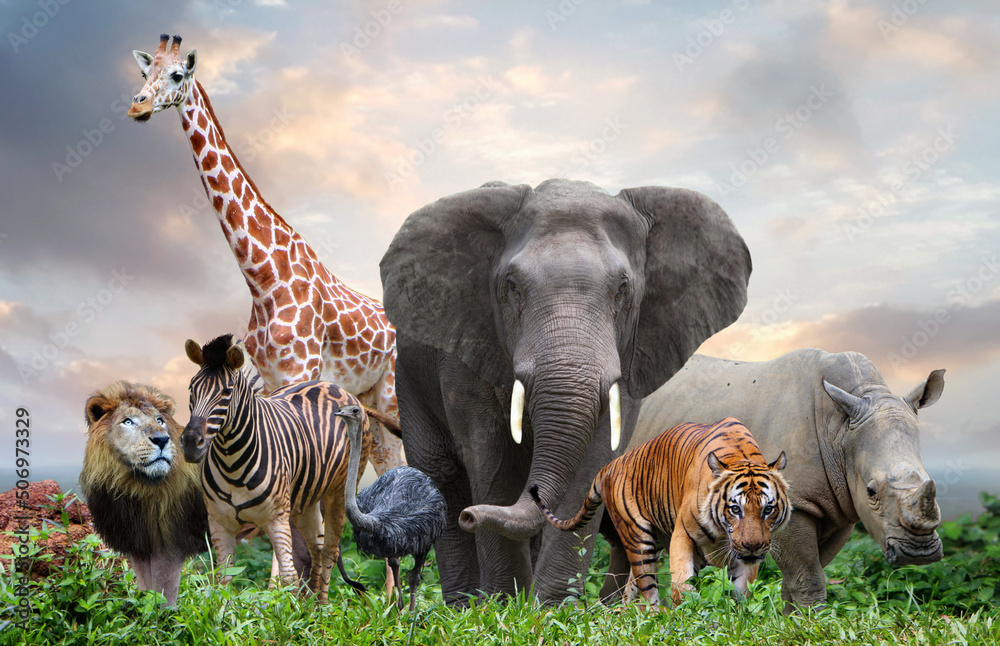
Living near natural habitats means sharing space with wild animals. While catching a glimpse of a deer or hearing an owl at night adds wonder to daily life, it also requires responsibility. True coexistence isn't about domesticating nature. It's about respecting boundaries so both humans and animals stay safe.
Understanding Animal Behavior and Boundaries
Wild animals operate on survival instincts. When humans alter natural routines, animals adapt, often moving closer to residential zones. Understanding why they appear near homes helps prevent conflicts before they start.
Most wild creatures prefer avoiding human contact. When you spot them, they're usually searching for food, water, or shelter. Approaching them alters their natural habits and creates dangerous dependencies.
- Keep a wide berth around all wild animals, especially during mating and nesting seasons.
- Never corner an animal or block its escape route.
- Recognize stress signs, such as vocalizations, pacing, or fixed staring.
For instance, mother bears and deer fiercely protect their young. Getting between a parent and offspring triggers immediate defensive aggression. Respecting these natural boundaries protects both you and the wildlife.
Managing Attractants Around Your Property
Unsecured food sources are the primary reason animals linger in residential areas. Garbage cans, pet food bowls, and fallen fruit act as dinner bells for local fauna.
Securing your property reduces animal visits significantly. Small adjustments to daily habits prevent wildlife from viewing your yard as a reliable feeding station.
- Store household waste in heavy-duty bins with locking lids, and put them out only on the morning of collection.
- Bring pet bowls indoors immediately after feeding time to avoid attracting raccoons and coyotes.
- Harvest garden fruits and vegetables promptly, and clean up fallen apples or berries from the ground.
- Protect compost bins by using enclosed containers and avoiding meat or dairy scraps.
Safe Encounters on Trails and Outdoors
Recreating in natural spaces puts you in prime wildlife territory. Whether hiking through local parks or walking suburban greenbelts, preparation keeps unexpected meetings peaceful.
Noise plays a vital role in preventing surprise encounters. Startled animals often react defensively. Making your presence known gives them time to move away quietly.
- Travel in groups and talk in normal tones when exploring dense brush or wooded trails.
- Keep dogs leashed at all times. Unrestrained pets can chase wildlife, provoke attacks, or bring ticks and parasites back home.
- Carry EPA-registered bear spray in known predator country and know how to use it quickly.
- Pack out all food wrappers and waste. Leaving trash behind habituates animals to human food sources.
According to the National Park Service, keeping a respectful distance from large mammals ensures that wildlife remains wild and cautious around humans.
Frequently Asked Questions
What should I do if I find a baby animal alone?
Leave it alone. Parents often leave offspring hidden while foraging. Unless the animal is visibly injured or you know the parent is dead, human intervention usually harms the young animal's chances of survival. Contact a local wildlife rehabilitator if you have genuine safety concerns.
How do I keep deer out of my garden without harming them?
Install physical barriers like tall fencing, or use natural deterrents such as strong scent sprays. Planting native, unpalatable species also discourages browsing without relying on harmful chemicals.
When is it necessary to call animal control?
Call local authorities or wildlife agencies only if an animal appears sick, aggressive, trapped in a hazardous man-made structure, or poses an immediate threat to human safety. For normal wildlife sightings in natural habitats, intervention isn't necessary.
Are bird feeders safe to use in residential yards?
Bird feeders attract more than just songbirds. They frequently draw squirrels, raccoons, and bears. If you live in an area with active predators, take bird feeders down during spring and summer months when natural forage is plentiful.



