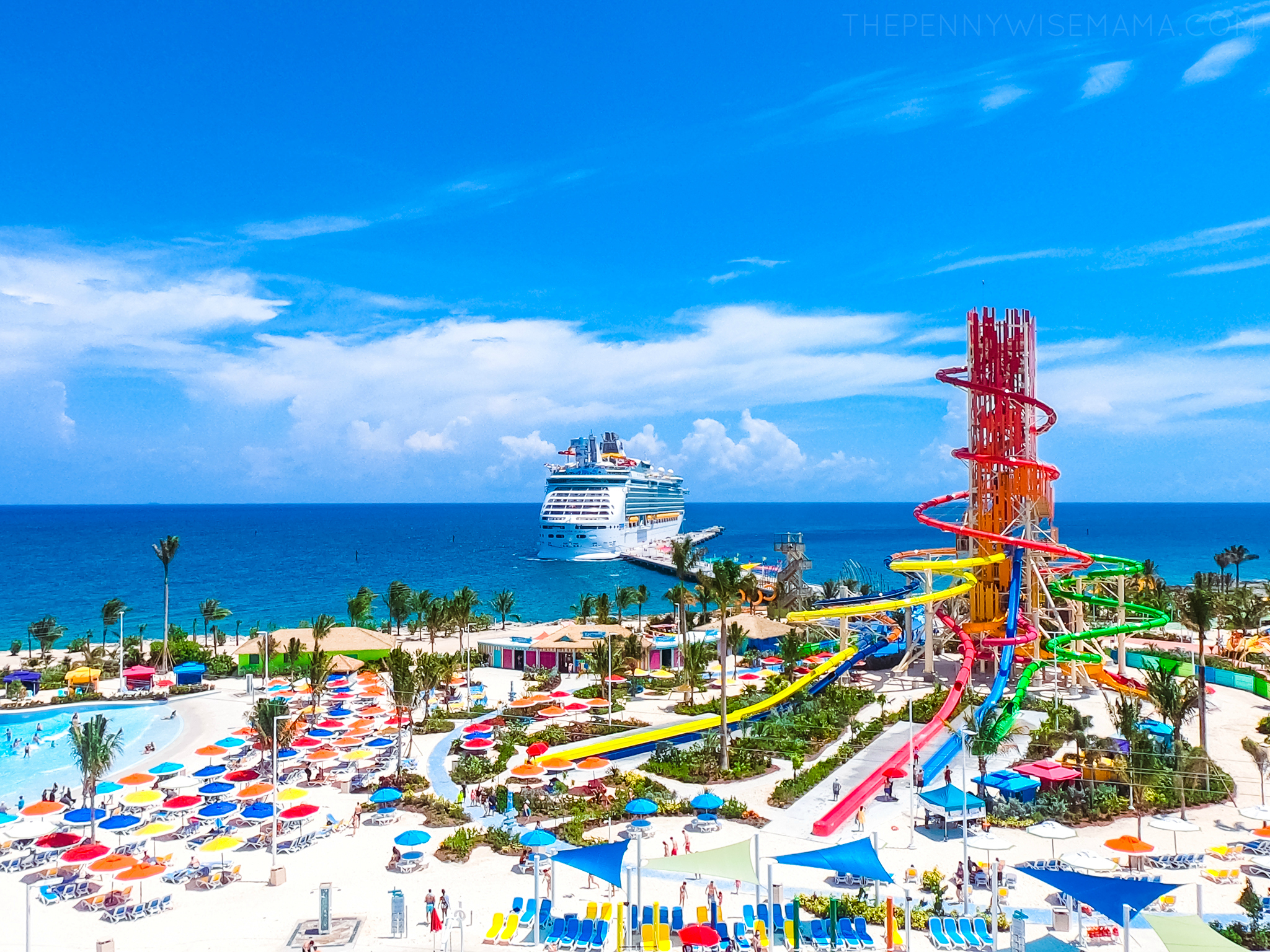
Planning a cruise stop at Perfect Day at CocoCay requires understanding how the subtropical climate of the Bahamas behaves across different months. While Royal Caribbean's private island promises pristine beaches and massive freshwater pools, your day can be heavily shaped by sudden tropical squalls, high humidity, or seasonal wind shifts.
The best time to visit CocoCay for ideal weather is between mid-December and mid-April, when temperatures hover comfortably in the mid-to-high 70s and rainfall remains at its lowest. However, traveling outside this window can unlock lower cruise fares and fewer crowds if you learn how to navigate the seasonal weather patterns.
Understanding CocoCay Climate Patterns
CocoCay sits in the Berry Islands chain of the Bahamas, experiencing a maritime tropical climate. Temperatures stay warm year-round, but humidity levels and precipitation shift dramatically between winter and summer.
You won't find massive temperature swings here. Winter daytime highs average around 77°F (25°C), while peak summer months push daily highs up to 88°F (31°C) or higher. The real deciding factor for your cruise experience isn't just the thermometer—it's the humidity, wind direction, and rainfall frequency. Further insights regarding the matter are detailed by Condé Nast Traveler.
The Dry Season (December through April)
This window brings the most reliable weather for outdoor island exploration. Skies are typically clear, rainfall averages are minimal, and the refreshing trade winds keep humidity low.
- Air Temperatures: Daily highs average 74°F to 82°F (23°C to 28°C).
- Water Temperatures: Ranging from 75°F to 78°F (24°C to 26°C), which can feel slightly brisk when you first step in, but refreshing once you're swimming.
- Crowd Impact: Because this weather is optimal, cruise ships book up fast, and the island's beaches experience peak guest volume.
The Wet and Warm Season (May through November)
As summer sets in, humidity climbs sharply, and the island enters its wetter phase. Rain usually arrives in the form of fast-moving afternoon tropical downpours rather than all-day washouts.
- Air Temperatures: Frequently exceed 85°F (29°C), with peak summer months feeling much hotter due to dense humidity.
- Water Temperatures: Warm up to a blissful 82°F to 85°F (28°C to 29°C), making extended hours in the ocean or at Oasis Lagoon exceptionally comfortable.
- Operational Notes: Sudden squalls can temporarily pause high-elevation attractions like the Up, Up and Away helium balloon ride due to wind restrictions.
Month-by-Month Weather Breakdown
To plan your cruise itinerary effectively, look closely at what each month actually delivers on the ground.
January and February
These are crisp, pleasant months. You'll enjoy abundant sunshine, but mornings and evenings can feel breezy and cool, especially when you're walking back to the ship after sunset. Water temperatures hit their annual low, so wetsuits or rash guards are helpful if you plan to snorkel for hours.
March and April
Spring brings a steady warmup. Daytime conditions are pristine, marked by long stretches of sunshine and comfortable sea temperatures. This is a popular time for family travel, meaning the island's cabanas and thrill waterpark will operate at maximum capacity.
May and June
May acts as a pleasant shoulder transition with warm seas and moderate crowds. By June, summer heat arrives, alongside the official start of the Atlantic hurricane season. While direct strikes are rare, brief afternoon thunderstorms become common.
July and August
These are the hottest and most humid months of the year. Ocean temperatures peak, providing bath-like water conditions. Be prepared for intense sun exposure; UV indices are extremely high, requiring diligent sunscreen reapplication.
September and October
Statistically the wettest months, September and October bring the highest concentration of rainy days and peak tropical storm activity. Cruise lines monitor these systems closely, occasionally altering itineraries to keep ships out of harm's way. The payoff here is significantly cheaper cruise fares and quieter beaches.
November
November marks a transitional recovery. Humidity drops, rain tapers off significantly, and comfortable breezes return. Many seasoned cruisers consider late November an ideal hidden-gem window before holiday rates kick in.
Navigating Hurricane Season on Your Cruise
The official Atlantic hurricane season runs from June 1 through November 30. For travelers, this spans nearly half the year, but it shouldn't automatically cause you to cancel your plans.
Modern cruise ships possess advanced meteorological tracking systems and massive mobility advantages. If a tropical depression or storm forms near the Bahamas, a ship won't sail into it. Instead, Royal Caribbean alters the ship's course, swaps port days, or steers south toward alternative destinations.
If you cruise during these months, keep these practical steps in mind:
- Monitor the National Hurricane Center: Check NHC NOAA leading up to your sail date to track active systems across the Atlantic.
- Purchase Travel Insurance: Ensure your policy covers weather-related trip interruptions and cruise delays.
- Stay Flexible: Accept that your itinerary might shift at the last minute to prioritize passenger safety.
What Happens When It Rains at CocoCay?
Rain showers on a private island are usually short-lived. A heavy downpour can sweep across the island for twenty minutes, completely soaking the pathways, only to be followed immediately by bright, blazing sunshine.
- Where to Seek Shelter: If a heavy squall hits, head to the island's main dining pavilions (like Skipper's Grill or Chill Grill), the open-air bars, or retreat back onto the cruise ship via the secure pier.
- Attraction Closures: High winds accompanying rainstorms will temporarily halt operations at the Thrill Waterpark slides or the helium balloon. Once the wind drops, rides reopen quickly.
- Water Clarity: Heavy wave action or prolonged storms can stir up sand, temporarily reducing snorkeling visibility at Chill Island or Breezy Bay.
Packing Smart for Bahamas Weather
Packing the right gear protects you from unpredictable shifts between scorching sun and sudden island wind.
- Sun Protection: Bring reef-safe sunscreen, polarized sunglasses, and a UV-blocking rash guard. The Bahamian sun reflects intensely off the white sand beaches and shallow lagoon waters.
- Light Rain Protection: Pack a compact, lightweight rain poncho. Carrying it in your day bag keeps you hands-free if a sudden shower pops up while you're walking across the island.
- Footwear: Dock walkways and boardwalks get scorching hot under summer sun. Pack water shoes or sandals that stay secure on your feet when walking between different beach zones.
- Evening Layers: If you're visiting between December and February, bring a light sweater or windbreaker for the breezy evening deck on the ship.
Frequently Asked Questions
Is the water too cold to swim in CocoCay during winter?
Water temperatures in January and February drop to around 76°F (24°C). While locals might find this chilly, travelers from colder climates usually find it refreshing for swimming, especially during the warm midday sun.
Does CocoCay ever close due to bad weather?
Yes. If severe tropical weather, high sustained winds, or rough sea conditions make it unsafe for the cruise ship to dock safely at the pier, the stop will be canceled or delayed. Captains always put passenger and crew safety first.
Are the freshwater pools heated?
No, the massive freshwater pools like Oasis Lagoon are not artificially heated. They warm up naturally via ambient air temperature and direct sunlight, meaning they stay comfortable throughout most of the year.
Can I get a refund if it rains all day on the island?
Cruise lines do not offer refunds or credits for rainy weather days, as island operations continue through passing showers. However, if your ship completely misses the island due to a severe storm, port fees and taxes for that stop are typically refunded to your onboard account.



