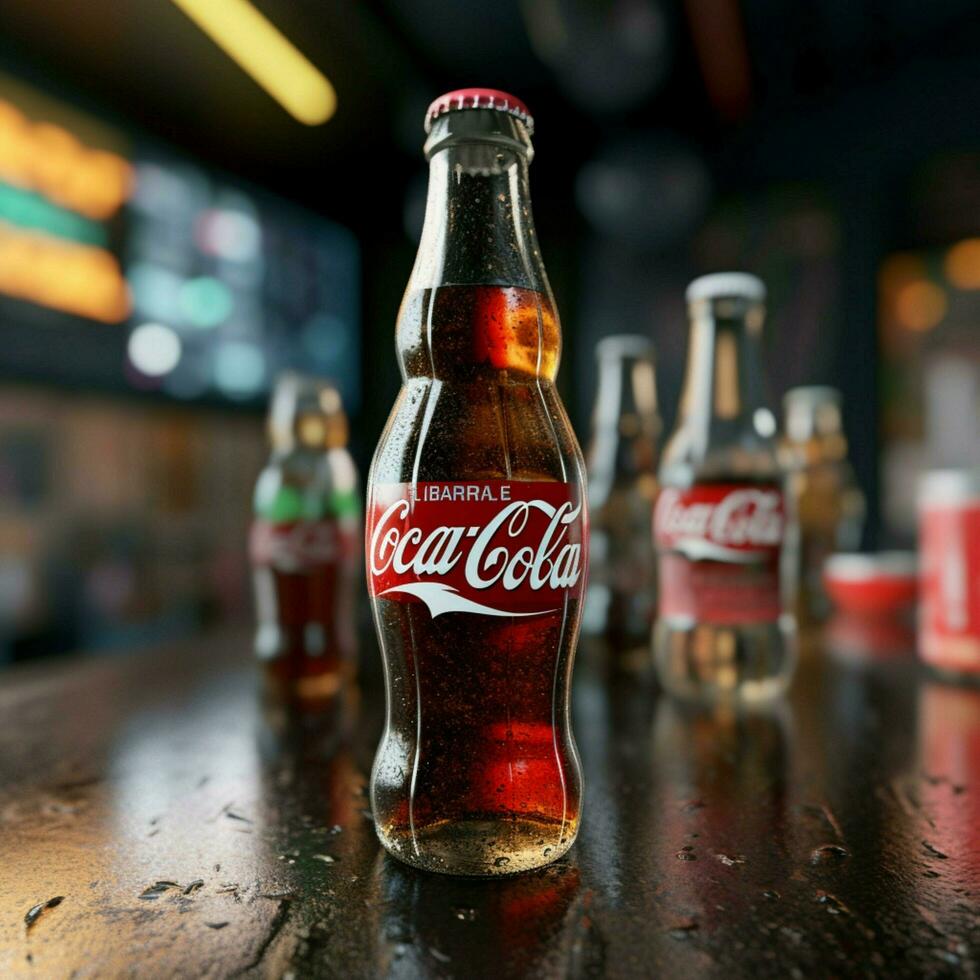
A standard 12-fluid-ounce can of Coca-Cola contains 39 grams of sugar, translating to about 9.75 teaspoons of sweetener. This exact quantity accounts for all 140 calories in the beverage and hits nearly 80 percent of an adult's recommended daily limit for added sugars. When you pop open a can, you aren't just tasting caramel color and carbonated water; you're consuming a concentrated dose of fast-acting carbohydrates that trigger immediate metabolic shifts.
Understanding the real-world impact of that 39-gram figure requires looking past the nutrition label to see how your body processes liquid sugar, how different container sizes alter the math, and what long-term habits mean for your metabolic health.
Exact Sugar Breakdown by Serving Size
Soda manufacturers package Coca-Cola in various container sizes, which changes your total sugar intake drastically. People often assume a bottle is a single serving when it contains multiple portions.
- 12-ounce can (355 ml): 39 grams of sugar (approx. 9.75 teaspoons)
- 20-ounce bottle (591 ml): 65 grams of sugar (approx. 16.25 teaspoons)
- 7.5-ounce mini can (222 ml): 25 grams of sugar (approx. 6.25 teaspoons)
- 2-liter bottle (per 12 oz serving): 39 grams per serving (totaling 216 grams for the full bottle)
- Fountain drink (21 oz medium): Roughly 70 to 75 grams of sugar, depending on ice melt and dispenser calibration
Drinking a standard 20-ounce bottle in one sitting blows past the American Heart Association's daily added sugar limit in a single beverage.
What Happens in Your Body Within 60 Minutes
Liquid sugar behaves differently in the body than sugar bound within solid food matrixes like whole fruit. Without fiber, protein, or fat to slow digestion, the high-fructose corn syrup or sucrose hits your system fast.
Within 20 minutes of finishing a can, your blood sugar spikes dramatically. Your pancreas responds by pumping out a surge of insulin to clear the glucose from your bloodstream. Because the influx is so rapid, your body often overcompensates, leading to a reactive drop in blood sugar within 40 to 60 minutes. This crash leaves you feeling fatigued, sluggish, and craving another quick hit of energy.
Over time, frequent insulin spikes wear down your body's cellular sensitivity. This resistance forms the primary pathway toward chronic metabolic strain, weight gain, and increased risk for type 2 diabetes.
Comparing Soda Sugar With Daily Limits
Health organizations set strict ceilings for added sugars to prevent chronic illness. The World Health Organization advises keeping added sugar below 10 percent of total daily energy intake, with a further drop to 5 percent (about 25 grams or 6 teaspoons) for optimal health benefits. Similarly, the American Heart Association recommends a maximum of 36 grams per day for men and 25 grams per day for women.
A single 12-ounce Coca-Cola exceeds a woman's daily recommended limit in one go and leaves a man with just 3 grams of headroom for the rest of the day. When you factor in hidden sugars in bread, sauces, condiments, and snacks, regular soda consumption guarantees you'll surpass your nutritional targets.
Common Mistakes When Tracking Beverage Sugar
People trying to clean up their diets often fall into specific traps regarding sweet drinks. Avoiding these errors makes a tangible difference in daily nutrition tracking.
- Confusing total sugars with natural sugars: Coca-Cola contains zero natural sugars. Every single gram listed is an added sugar.
- Assuming "fruit-flavored" or iced teas are lower: Many commercial bottled teas and lemonades pack equal or higher sugar loads than cola.
- Treating diet alternatives as a free-for-all: While zero-sugar options eliminate calories and sugar grams, transitioning requires monitoring your body's response to alternative sweeteners.
- Misinterpreting serving sizes: Grabbing a 20-ounce bottle and assuming it counts as one serving of 39 grams instead of calculating the actual 65 grams consumed.
Frequently Asked Questions
Does Mexican Coca-Cola contain a different amount of sugar?
Mexican Coca-Cola comes in a 355 ml (12 oz) glass bottle and contains 39 grams of sugar, the same as US cans. The primary difference is that the Mexican version uses cane sugar instead of high-fructose corn syrup, though the total carbohydrate and calorie load remains nearly identical.
How does diet soda compare if it has zero sugar?
Diet Coca-Cola and Coca-Cola Zero Sugar contain zero grams of sugar and zero calories. They use artificial or intense sweeteners like aspartame and acesulfame potassium to mimic sweetness without triggering the insulin and blood glucose spikes associated with regular sugar.
Can you burn off a can of Coca-Cola with light exercise?
A 12-ounce can contains about 140 calories. For an average adult, burning off those calories requires roughly 15 to 20 minutes of steady running or 30 minutes of brisk walking. Exercise helps manage energy balance, but it's much harder to outrun a high-sugar liquid diet than to avoid drinking it.
Why does Coca-Cola use so much sugar?
The high concentration of sweetener isn't just about flavor. Sugar acts as a preservative, enhances mouthfeel, provides body, and balances the sharp, acidic bite of phosphoric acid. Without that level of sweetness, the beverage's core flavor profile would taste intensely acidic and thin.



