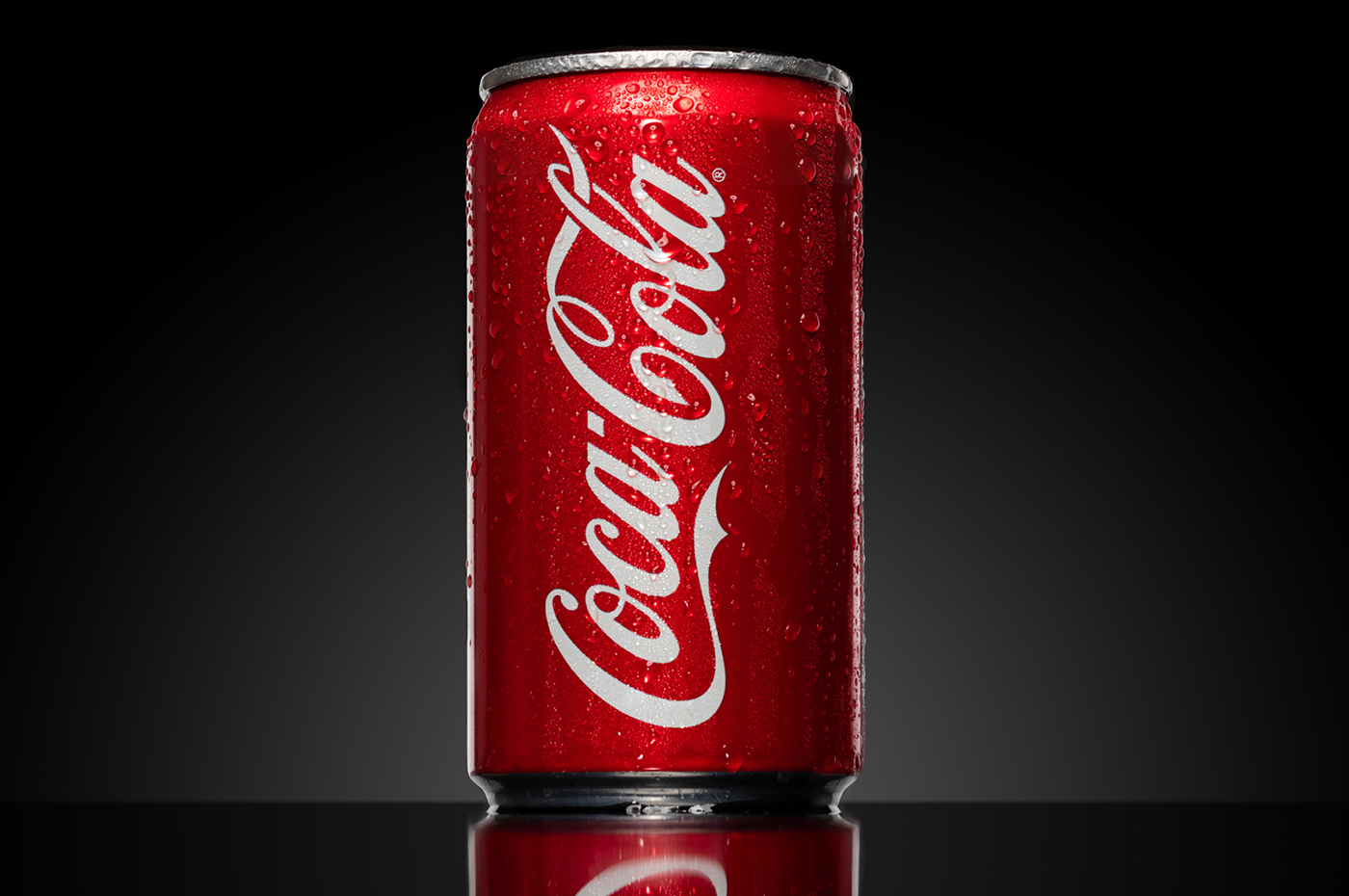
The short answer is no, a product simply labeled "Coca-Cola Sports Drink" does not exist on store shelves. The Coca-Cola Company doesn't sell a standalone, isotonic beverage bearing its flagship brand name. Instead, the corporation dominates the sports hydration market through massive, specialized subsidiary brands like Powerade and BodyArmor.
If you walk into a grocery store looking for a blue or red bottle of electrolytes emblazoned in the iconic cursive Coca-Cola script, you'll walk away empty-handed. However, understanding why the beverage giant separates its flagship cola from the sports nutrition sector requires looking at brand architecture, historical product launches, and how the company actually positions its functional drinks.
The Reality of Coca-Cola in Sports Hydration
While the core Coca-Cola brand stays out of the electrolyte arena, the company owns significant market share in sports and active hydration. Rather than risking the classic cola trademark on a salty, citrus-flavored workout drink, Coca-Cola acquired and built separate powerhouse brands.
- Powerade: Launched in 1988, Powerade serves as Coca-Cola's direct competitor to PepsiCo's Gatorade. It features electrolytes like sodium and potassium, formulated specifically to rehydrate athletes during high-intensity endurance training.
- BodyArmor: Acquired fully by The Coca-Cola Company in 2021, BodyArmor targets the premium sports drink segment. It emphasizes coconut water, potassium-packed electrolytes, and vitamins without artificial sweeteners or colors.
- AHA and Smartwater: While classified as enhanced waters rather than traditional sports drinks, these brands fulfill the lighter hydration needs of everyday active consumers who want electrolytes without heavy carbohydrates.
By keeping these product lines distinct, Coca-Cola protects the equity of its original flagship soda. Consumers associate Coca-Cola with carbonated refreshment, sweetness, and classic socialization—not sweat, muscle recovery, and post-workout replenishment.
Why Coca-Cola Never Made a Branded Sports Drink
Beverage corporations rely heavily on consumer psychology and category clarity. When someone craves a sports drink, they look for specific functional cues: rapid hydration, electrolyte replenishment, and a light mouthfeel that doesn't leave a heavy syrup residue.
Original Coca-Cola contains high sugar content, phosphoric acid, and carbonation, none of which align with optimal athletic rehydration during strenuous exercise. Drinking carbonated soda while running or playing soccer causes gastric distress and bloating. Launching a sports drink under the exact "Coca-Cola" moniker would create immediate confusion regarding product utility.
Furthermore, beverage marketing strategies dictate clear boundaries. PepsiCo doesn't call its sports drink "Pepsi Sports"—they use Gatorade. Similarly, Nestlé and other major food conglomerates house specialized functional beverages under dedicated sub-brands to target specific consumer missions.
Historical Experiments and Near-Misses
Over the decades, Coca-Cola has tested numerous hybrid beverages that blur the lines between soda and active hydration, fueling internet rumors about secret sports drinks.
In the early 2000s, the company experimented with functional formulations that combined light carbonation with added vitamins and mineral salts. Products like Coca-Cola Blāk (coffee-infused cola) and various regional vitamin-enhanced sodas proved that the company loves tinkering with functional ingredients. More recently, the company introduced Coca-Cola Energy in select global markets, merging caffeine and guarana extract with the classic cola flavor profile.
While energy drinks differ from sports drinks, these releases demonstrate that the company occasionally tests how far its flagship brand name can stretch into functional categories. None of these experiments, however, resulted in a true isotonic sports drink carrying the Coca-Cola name.
Nutritional Comparison: Cola vs. Sports Drinks
To understand why a Coca-Cola sports drink doesn't make sense from a nutritional standpoint, examine how a standard cola compares directly to an electrolyte-focused beverage like Powerade.
| Nutritional Metric | Coca-Cola (12 oz) | Powerade (12 oz) |
|---|---|---|
| Primary Purpose | Refreshment and taste | Electrolyte replacement |
| Sodium | ~45 mg | ~150 mg |
| Potassium | ~0 mg | ~35 mg |
| Carbonation | High | None |
| Carbohydrates | High (High Fructose Corn Syrup) | Moderate (Simple Sugars for Energy) |
Standard soda lacks the necessary sodium-to-potassium ratios required to combat dehydration and cramping during intense athletic output. Sports drinks require specific osmolality levels to ensure rapid fluid absorption through the intestinal wall, a biochemical standard that traditional colas cannot meet.
Frequently Asked Questions
Does Powerade belong to Coca-Cola?
Yes. The Coca-Cola Company created and owns Powerade, positioning it as their primary global competitor to Gatorade since the late 1980s.
Did Coca-Cola ever test a sports drink under its own name?
No official isotonic sports drink has ever been released under the primary Coca-Cola brand label. All athletic and functional beverage ventures use separate brand identities like Powerade or BodyArmor.
Can you use regular soda as a sports drink substitute?
No. Regular soda contains high carbonation and lacks sufficient electrolytes, which can actually worsen dehydration and cause stomach cramps during physical exertion.
Why do athletes avoid carbonated drinks during training?
Carbonation introduces gas into the digestive tract, leading to bloating, discomfort, and reduced gastric emptying rates, which slows down water absorption when your body needs it most.