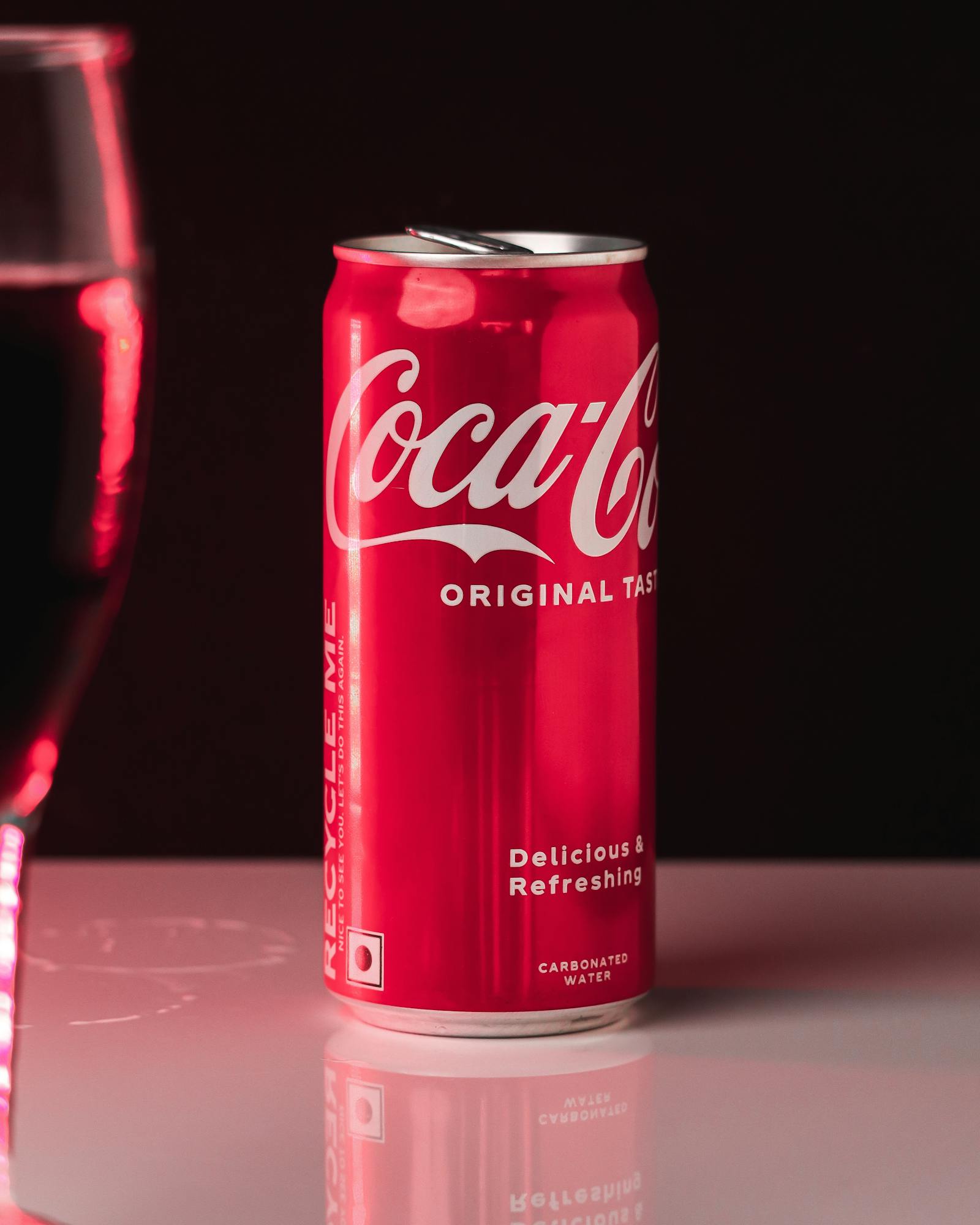
The Coca-Cola Company reported net revenues of $45.8 billion for full-year 2023, marking a 6% headline increase and a 12% jump in organic revenue. This performance proved that consumer brand giants could expand margins even during persistent inflationary cycles. If you look past the corporate press releases, this record-breaking financial period stemmed from a calculated combination of pricing strategy adjustments, product mix optimization, and resilient demand across developing markets.
Understanding how the beverage giant achieved these milestones requires breaking down the core financial mechanisms, regional distribution shifts, and operational trade-offs that shaped the fiscal year. Rather than relying solely on higher volume sales, the company navigated supply chain hurdles and currency headwinds through precise commercial execution.
Dissecting the 2023 Revenue Drivers
Net revenue growth didn't happen by accident. Two main levers fueled the expansion: price/mix adjustments and concentrate sales growth.
Price/mix grew by 10% for the full year across global operations. This figure reflects intentional pricing actions taken across multiple retail and foodservice channels to offset rising input costs for aluminum, sweetener, and transportation. Instead of absorbing inflation, the company passed manufacturing expenses down to consumers, who largely maintained purchase habits despite higher sticker prices. Favorable category mixes also played a part, as consumers gravitated toward premium product lines and smaller, higher-margin packaging formats like single-serve cans and mini-bottles.
Concerted efforts in emerging markets kept volume numbers stable. Global unit case volume grew by 2% overall. While developed markets remained flat as consumer wallet fatigue set in across the United States and parts of Europe, developing regions like India and Brazil posted solid volume gains.
Regional Performance and Market Divergence
Geographic performance varied wildly during the fiscal year, exposing stark differences between mature economies and emerging territories.
In North America and Western Europe, unit case volumes flatlined or dipped slightly. Shoppers faced stretched household budgets, prompting them to look for store-brand alternatives or cut back on impulse purchases at convenience stores. However, price increases protected top-line revenue even when volume units stayed flat or dropped.
Conversely, developing and emerging markets grew unit case volume by 4% in certain quarters, led by strong consumer demand in Brazil, India, and the Philippines. Investments in local supply chains and tailored distribution networks allowed the company to capture market share among expanding middle-class demographics in these regions.
Profit Margins and Earnings Per Share
Higher revenue numbers only matter if they translate to the bottom line. Full-year operating income rose, while comparable earnings per share (EPS) grew by 8% on a non-GAAP basis to reach $2.69.
These gains occurred despite significant macroeconomic friction. Foreign currency headwinds slammed international earnings, creating an 8-point drag on reported EPS due to a strong U.S. dollar relative to emerging market currencies. The company countered these currency losses through disciplined operating leverage and optimized marketing spend.
Operating expenses shrank slightly as a percentage of overall revenue, proving that administrative efficiency kept pace with commercial expansion. Gross margins expanded as commodity cost pressures eased during the second half of the year, providing breathing room after a volatile 2022.
Capital Allocation and Shareholder Returns
Generating cash remains one of the company's strongest attributes. Operating cash flow hit $11.6 billion for the year, yielding a free cash flow of $9.7 billion.
Management deployed this capital across three distinct priorities:
- Reinvesting heavily back into core operations, bumping capital expenditures up by 25% to $1.9 billion.
- Returning capital to shareholders, paying out $8.0 billion in total dividends. This milestone marked the 61st consecutive year of annual dividend increases.
- Executing targeted share repurchases, totaling $2.3 billion in gross share buybacks to offset dilution from employee stock options.
For more details on corporate financial reporting structures, you can review guidelines outlined by the U.S. Securities and Exchange Commission.
Strategic Shifts in Product Categories
Diversification away from traditional sugary sodas cushioned the balance sheet against changing consumer health preferences.
Coca-Cola Zero Sugar posted a 5% volume gain for the full year, powered by double-digit expansion in several key territories. Sparkling flavors grew consistently, supported by localized marketing campaigns in the Asia-Pacific region.
Furthermore, the company's Costa Coffee brand—housed under Global Ventures—drove robust revenue gains in the United Kingdom and China. Ready-to-drink coffee, functional sports drinks, and value-added dairy lines provided secondary growth pillars that helped insulate the portfolio from regulatory pressures or soda tax implementations in specific municipalities.
Frequently Asked Questions
What was Coca-Cola's total net revenue in 2023?
The company reported full-year net revenues of $45.8 billion, representing a 6% increase compared to the previous fiscal year.
Did volume or pricing drive the revenue surge?
Pricing actions and product mix changes drove the vast majority of the growth, contributing 10% to organic revenue, while global unit case volume grew by a modest 2%.
How did inflation impact Coca-Cola's pricing strategy?
To counter rising commodity and operational expenses, management implemented targeted price increases across retail and foodservice channels, which protected profit margins without destroying consumer demand.
What role did emerging markets play in the financial results?
Developing economies like India, Brazil, and parts of Southeast Asia provided vital volume growth, offsetting flat consumer demand in saturated Western markets.
To track ongoing corporate disclosures and investor relations data, visit the official Coca-Cola Investors Portal.


