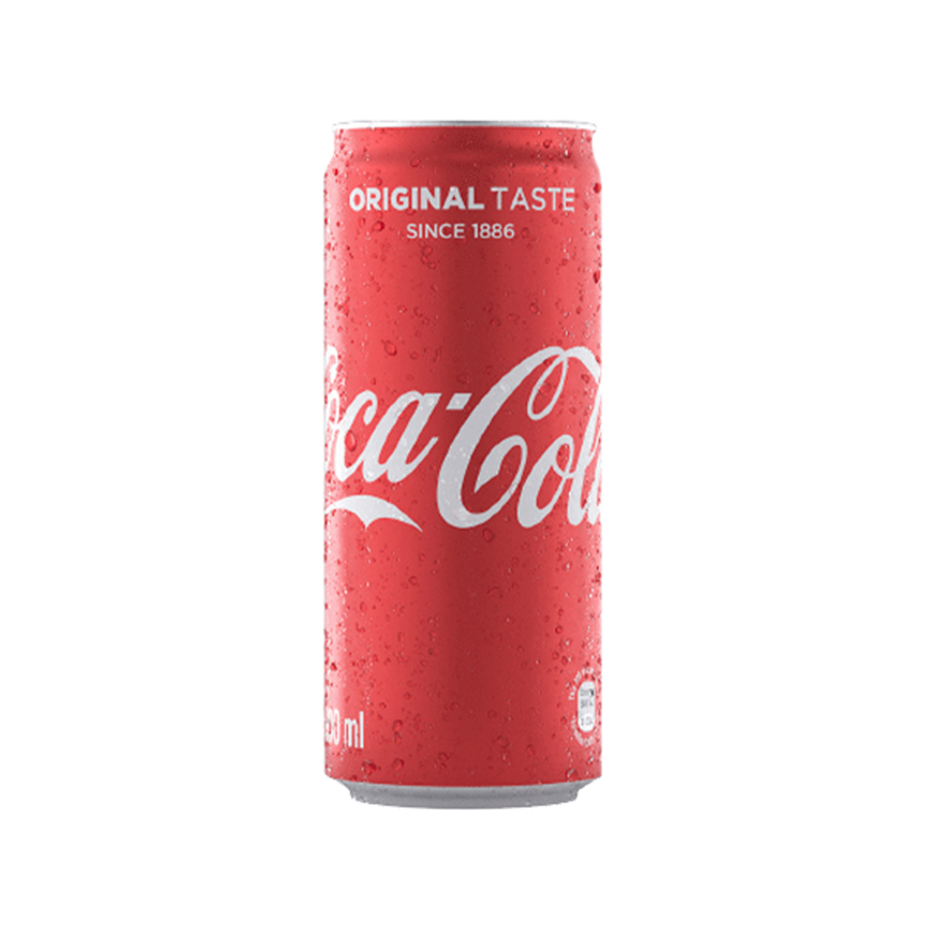
Behind the red-and-white branding of the world's most recognizable soft drink lies a long history of public scrutiny. From its late-nineteenth-century origins containing trace amounts of cocaine to modern legal battles over water usage and plastic waste, The Coca-Cola Company has faced intense criticism. Examining these disputes reveals how corporate giants navigate public relations crises, regulatory pressure, and changing societal expectations.
Understanding these controversies requires looking past corporate marketing to examine documented historical records, environmental audits, and legal proceedings. We'll unpack the major disputes that have shaped public perception of the brand over more than a century.
Historical Origins and Early Scandals
When pharmacist John Stith Pemberton invented the beverage in Atlanta in 1886, the formula reflected contemporary medical practices. Early formulations included extracts from the coca leaf and kola nut, introducing both caffeine and cocaine into the original syrup. While cocaine was legally available and commonly used in tonics at the time, public attitudes shifted rapidly around the turn of the century.
The company began systematically removing active cocaine from the extract by 1903, relying instead on decocainized coca leaves for flavoring. Federal regulators still targeted the drink's high caffeine content; in 1911, the United States government filed a seizure suit (United States v. Forty Barrels and Twenty Kegs of Coca-Cola) attempting to force the company to strip caffeine from the recipe. Although the company won that specific legal battle, it established a pattern of tension between federal health authorities and corporate product formulation.
Another complex historical chapter involves the company's operations in Europe during World War II. Cut off from American syrup supplies due to trade restrictions and wartime embargoes, the German subsidiary faced total shutdown. To keep operations running, the local division invented Fanta, using available local ingredients like whey and apple fiber. While the subsidiary survived the war, historians continue to examine the ethical implications of major multinational corporations maintaining operations within Axis territories.
Environmental and Resource Criticisms
In recent decades, environmental impact has replaced formula changes as a primary source of public backlash. Two major issues dominate this category: water stewardship and single-use plastic pollution.
Groundwater Depletion and Community Conflicts
During the early 2000s, local communities and farmers near bottling plants in India accused the company of severe groundwater depletion. Critics argued that intensive extraction for beverage production lowered local water tables, disrupting agriculture and drinking supplies in drought-prone regions. Similar local disputes emerged in various other developing markets, leading to grassroots protests, plant shutdowns, and reputational damage.
In response, the corporation altered its operational policies, investing in community water replenishment projects and committing to higher standards of water efficiency. Independent audits indicate progress in specific regions, though environmental advocates maintain that large-scale industrial extraction in water-stressed areas remains an inherent risk.
Plastic Packaging and Waste Audits
Global clean-up initiatives frequently rank the company among the world's top plastic polluters. Environmental groups point out that selling billions of single-use polyethylene terephthalate (PET) bottles annually contributes significantly to ocean and landfill waste.
According to reports by organizations like Greenpeace, corporate reduction targets often fail to keep pace with total production growth. While management highlights increased use of recycled content and lightweight packaging, critics argue that reliance on single-use virgin plastic remains unsustainable.
Health Impacts and Nutritional Scrutiny
Public health advocates have targeted the beverage industry for decades over the role of sugary drinks in chronic health conditions. With a product portfolio heavily weighted toward sweetened carbonated beverages, the company faces continuous pressure regarding global rates of obesity and type 2 diabetes.
- Dental Erosion: The high acidity and sugar content of standard colas contribute directly to enamel wear and dental caries. Court cases dating back to the mid-twentieth century have addressed whether product labeling adequately warns consumers about dental risks.
- Sweetener Shifts: The transition from cane sugar to high-fructose corn syrup in North America during the late 1970s and 1980s drew criticism from nutritionists concerned with metabolic health and agricultural supply chains.
- Marketing Practices: Public health campaigns frequently scrutinize promotional strategies directed at children, pushing for stricter limits on advertising sugary products near schools and youth media channels.
Labor Relations and Corporate Governance
Beyond product and environmental concerns, internal business practices and labor disputes have periodically triggered international attention.
Supply Chain and Labor Disputes
In the early 2000s, labor rights organizations and unions filed lawsuits alleging that independent bottlers in countries like Colombia mistreated unionized workers. While United States courts ultimately dismissed these specific lawsuits on jurisdictional technicalities, the allegations generated sustained negative publicity and campus boycotts across North American universities.
Independent ethical benchmarks currently score the corporation moderately on worker welfare, noting that while direct employee standards are codified, oversight across complex global supply chains remains challenging.
Antitrust and Financial Practices
Regulatory bodies have also scrutinized corporate distribution agreements. In 2005, European Union antitrust investigators forced the company to abandon exclusive supply deals that restricted bars and retail shops from stocking competing brands. Financial regulators have also penalized the firm for artificial sales inflation tactics, such as channel stuffing, which forced excess concentrate onto bottlers to meet quarterly expectations. Furthermore, ongoing tax disputes with authorities like the Internal Revenue Service regarding offshore subsidiary profits highlight ongoing friction between multinational tax strategies and national treasuries.
Frequently Asked Questions
Did Coca-Cola ever actually contain cocaine?
Yes. When invented in 1886, the beverage contained a small amount of cocaine derived from coca leaves, alongside caffeine from kola nuts. The stimulant was phased out completely by 1903 as public policy and medical views shifted.
Why is Coca-Cola considered a top plastic polluter?
Independent global brand audits conducted by organizations like Break Free From Plastic consistently find the brand's single-use packaging discarded more frequently than any other in global cleanups. This is a direct result of distributing tens of billions of plastic bottles annually.
How has the company responded to water scarcity accusations?
Following severe public backlash over groundwater depletion in regions like India during the early 2000s, the firm established water-neutrality targets, invested in watershed protection, and implemented stricter efficiency metrics across its bottling facilities.
Are alternative sweeteners safer than regular sugar?
Diet and zero-sugar variants replace caloric sugar with artificial sweeteners or plant extracts like stevia. While these options reduce calorie intake and mitigate risks associated with sugar-induced weight gain, public health debates regarding the long-term metabolic effects of alternative sweeteners continue.


