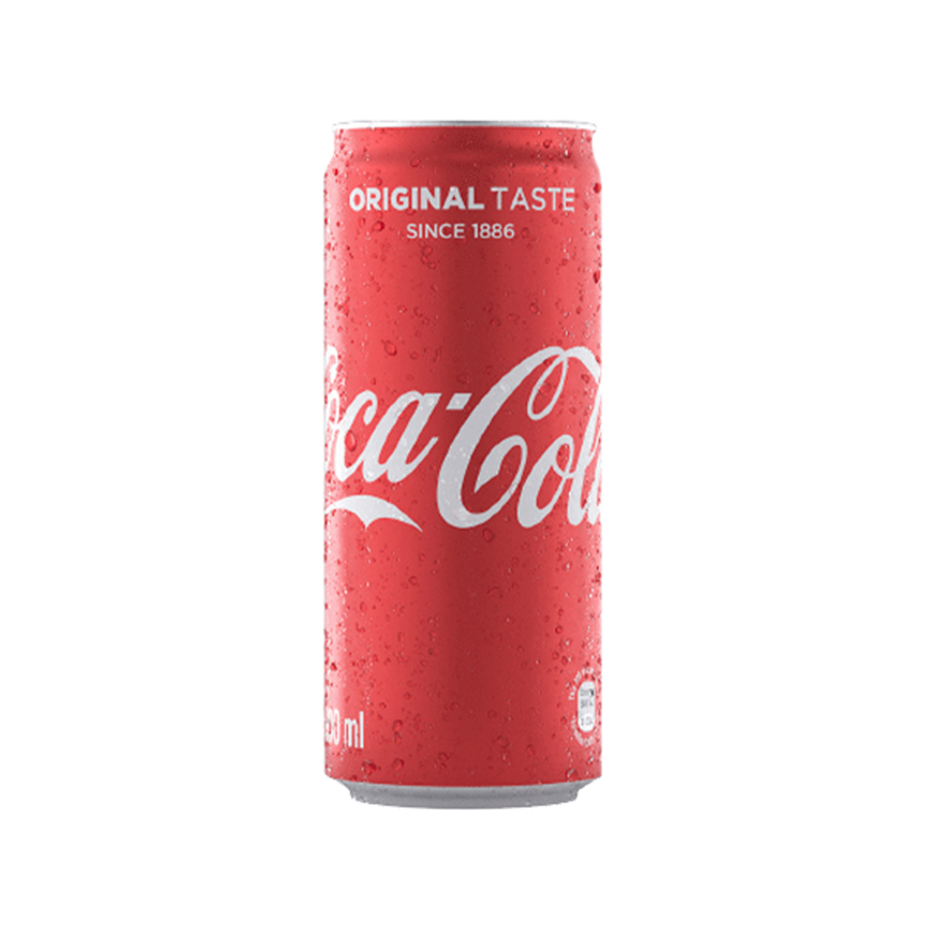
When viral social media claims hit feeds, they often spark immediate consumer reactions. A wave of scrutiny struck the beverage giant The Coca-Cola Company following online rumors regarding labor practices. While digital platforms amplify quick outrage, the relationship between multinational corporations and Hispanic communities involves decades of complex labor, environmental, and economic grievances. Understanding why consumers question corporate ethics requires looking past headline-grabbing rumors into documented historical tensions.
The friction between major beverage brands and Latino consumers rarely stems from a single isolated incident. Instead, it builds upon long-standing debates regarding resource extraction, worker treatment, and political lobbying across the Americas. This analysis breaks down the root causes of recent consumer pushback, examines historical precedents, and answers critical questions about how modern supply chains impact everyday buyers.
Unpacking Recent Consumer Boycotts
Social media campaigns move fast. Rumors spread across platforms like TikTok claiming that major bottling operations targeted Hispanic workers. Although independent fact-checkers and news outlets traced these specific viral claims to misinformation, the swift mobilization of consumers revealed deep underlying frustrations.
People didn't react in a vacuum. When a brand facing widespread scrutiny experiences a sudden drop in sales, it signals that consumers already harbored distrust. For many Hispanic buyers, the willingness to withhold spending stems from a feeling that corporate growth often comes at the expense of immigrant labor and working-class communities. Further journalism by Business Insider delves into comparable perspectives on the subject.
The Power of Consumer Retention
Dollar-vote activism gives shoppers a tangible tool. When communities feel ignored or targeted by systemic inequities, collective purchasing pauses serve as a loud message. Even when specific viral claims lack factual backing, they expose a vulnerability: consumers demand transparency, accountability, and genuine respect from the brands they support daily.
Historical Precedents: Labor and Environmental Tensions
To fully grasp why tensions flare, it helps to examine historical flashpoints. Decades before modern social media movements, operations in Latin America faced severe criticism over labor organization and community resources.
Labor disputes in countries like Colombia highlighted deep structural conflicts. Unions accused local bottling partners of severe human rights violations and union-busting tactics. Legal battles, such as Sinaltrainal v. Coca-Cola Co., brought international attention to the safety of workers trying to organize. Although courts ultimately dismissed direct liability claims against the parent company due to jurisdictional hurdles and lack of direct evidence linking corporate headquarters to third-party actions, the public relations damage cemented a narrative of corporate indifference.
Resource Extraction and Water Rights
Labor disputes form only part of the equation. Environmental concerns, particularly regarding water usage in water-scarce regions, fuel ongoing friction.
In regions like Chiapas, Mexico, high consumption of commercial beverages coincides with local struggles for clean drinking water. Bottling plants operating under local government concessions draw millions of liters from local aquifers. Critics argue that prioritizing industrial production over community access strains local ecosystems. For indigenous and rural Latino populations, these environmental impacts transform a simple soft drink into a symbol of unequal resource distribution.
Economic Footprint Versus Social Responsibility
Multinational corporations operate complex ecosystems of independent bottlers, local suppliers, and franchise agreements. This corporate structure often complicates accountability.
- Economic Contributions: Supporters point out that bottling networks create thousands of stable jobs, sponsor local festivals, and drive economic activity across Latin America.
- Supply Chain Realities: Critics emphasize that subcontracting labor and relying on intensive agricultural inputs—such as sugar cane harvested under grueling conditions—distance the parent company from daily worker welfare.
Navigating this divide requires corporations to move beyond standard public relations statements. Real trust demands measurable commitments to fair wages, safe working conditions, and sustainable environmental practices.
Common Mistakes in Evaluating Corporate Controversies
When consumer movements gain traction, observers often fall into analytical traps. Avoiding these missteps ensures a clearer understanding of complex corporate issues.
- Confusing Rumor with Record: Treating unverified social media videos as documented history obscures genuine, long-standing systemic problems that deserve serious attention.
- Ignoring Corporate Structures: Blaming parent companies for every action taken by independent local franchise bottlers ignores how international franchise agreements legally operate.
- Over-simplifying Local Economies: Assuming boycotts affect all regions equally ignores the reality that local economies often depend heavily on the jobs these factories provide.
Frequently Asked Questions
What triggered the recent consumer discussions?
Online discussions intensified following unverified viral videos alleging mistreatment and improper reporting of Hispanic workers at distribution and bottling facilities. While investigations debunked the specific claims, they ignited broader conversations about corporate accountability.
Are parent companies legally responsible for local bottlers?
Generally, international parent companies structure their businesses through independent franchise agreements. This legal separation often shields the parent company from direct liability for labor or environmental disputes managed by local bottling entities.
How do supply chain issues affect Latino consumers in the US?
Many consumers within the Hispanic diaspora maintain deep cultural and familial ties to their countries of origin. Consequently, environmental degradation or labor disputes occurring in Latin America resonate strongly with diaspora communities living abroad.
What is dollar-vote activism?
Dollar-vote activism refers to consumers consciously choosing to spend or withhold money from specific businesses to protest corporate policies, ethical lapses, or social stances, thereby using economic pressure to demand change.


