Coastal law enforcement requires a rare blend of traditional policing skills and advanced maritime expertise. When deputies trade cruiser tires for high-speed hulls, their operational reality shifts from asphalt highways to unpredictable tides, shifting sandbars, and open Gulf waters. In regions like Southwest Florida, the county sheriff governs thousands of acres of aquatic territory where routine traffic stops involve center-console boats and jurisdiction extends miles offshore.
Understanding how coastal sheriff divisions operate sheds light on a high-stakes environment few civilians ever witness. From multi-agency drug interdiction to life-or-death night rescues in heavy squalls, maritime deputies face distinct operational hurdles that land-based units never encounter.
Jurisdiction and Operational Scope on the Water
Unlike municipal police departments bound strictly by city limits, the Manatee County Sheriff's Office manages expansive geographic boundaries that stretch from inland agricultural acreage out into the Gulf of Mexico. Their legal authority on water spans state statutes, federal navigation rules, and local county ordinances.
Maritime patrols operate under specific jurisdictional guidelines that often overlap with federal and state entities. Deputies routinely coordinate with the Florida Fish and Wildlife Conservation Commission (FWC) and the U.S. Coast Guard to secure major waterways, shipping channels, and popular coastal sandbars.
- Primary Waters: Deputies patrol the Manatee River, intricate mangrove mazes, intercoastal waterways, and the open Gulf.
- Jurisdictional Reach: Authority covers search and rescue, criminal interdiction, and accident investigations on all navigable public waterways within county borders.
- Federal Partnerships: Joint operations target human trafficking, drug smuggling, and illegal immigration coming through maritime transit lanes.
Fleet Assets and Specialized Equipment
Standard patrol cruisers are useless against coral heads, shallow flats, and heavy swells. Coastal law enforcement agencies rely on a diversified fleet of specialized watercraft tailored to specific marine environments.
Deputies must select the right vessel configuration depending on weather conditions, distance from shore, and the tactical objective of the deployment.
- Center-Console Deep-V Boats: Powered by twin high-horsepower outboards, these vessels handle rough offshore seas, high-speed pursuits, and long-range patrols.
- Shallow-Draft Skiffs: Designed with ultra-shallow hulls, these boats access narrow mangrove creeks and skinny water where standard patrol boats would run aground.
- Airboats: Equipped with aircraft engines and massive rear rudders, these flat-bottomed machines traverse vegetation-choked marshes and mudflats.
- Technology Integration: Modern marine units utilize side-scan sonar, thermal imaging cameras, and unmanned aerial drones to locate missing swimmers or submerged evidence at night.
Core Duties Beyond Basic Patrol
While the public often associates coastal units with issuing boating safety citations, enforcement represents only a fraction of their daily mandate. Deputies function as primary first responders for a wide array of water-based emergencies.
Search and rescue operations demand immediate tactical decisions, often conducted in zero-visibility rainstorms or blinding sun glare off the water surface.
- BUI Enforcement: Detecting and arresting Boating Under the Influence requires specialized standard field sobriety tests adapted for a rocking deck.
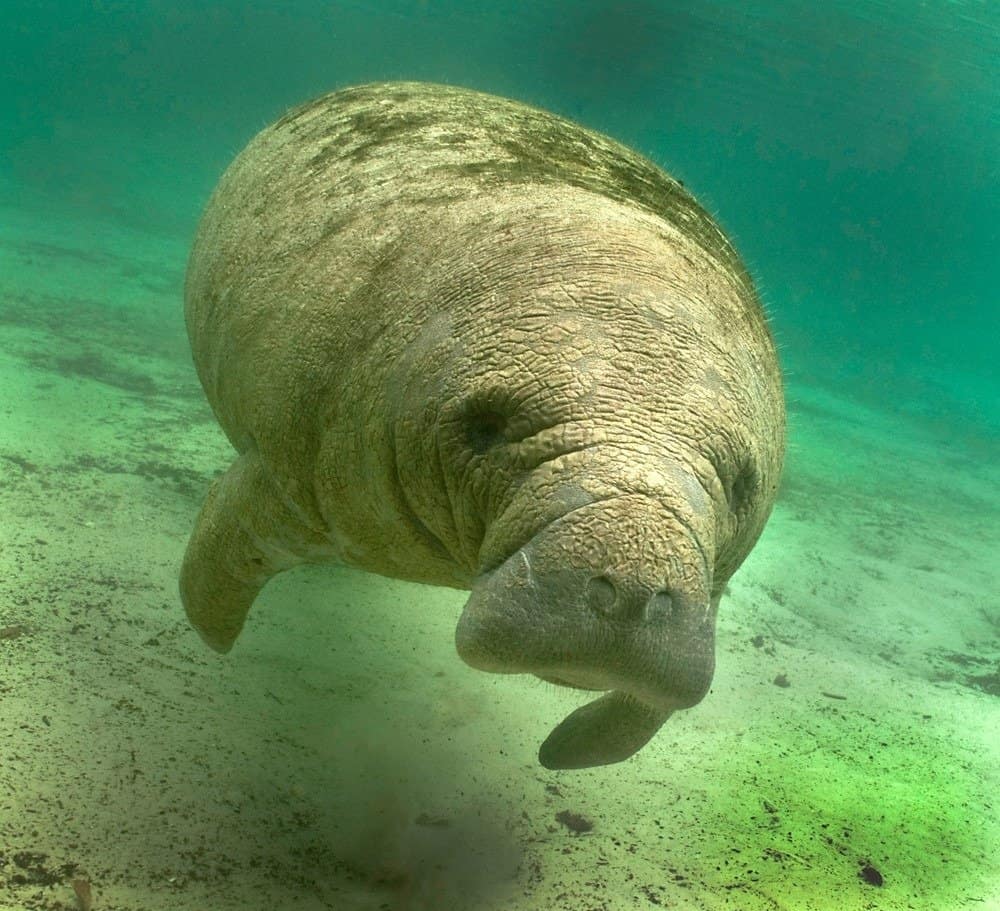
- Environmental Protection: Enforcing slow-speed zones protects vulnerable marine life, particularly manatees, from devastating propeller strikes.
- Derelict Vessel Removal: Tracking, tagging, and removing abandoned or sunken boats prevents navigational hazards and fuel leaks in fragile ecosystems.
- Disaster Response: Post-hurricane deployments involve clearing blocked channels, assessing waterfront structural damage, and rescuing stranded coastal residents.
Training Rigors and Tactical Risks
Becoming a marine deputy takes intensive specialized training far beyond standard police academy graduation. Candidates must master high-speed boat handling, navigation rules, mechanical troubleshooting, and swift-water rescue techniques.
The physical environment poses constant danger. Shifting currents, rogue wakes, submerged obstructions, and corrosive saltwater environments can disable equipment instantly. Furthermore, approaching an unknown vessel in the middle of the night carries heightened tactical risk, as suspects possess total mobility and potential access to hidden firearms.
Frequently Asked Questions
Do coastal sheriff deputies have the same arrest powers on water as on land?
Yes. Sworn sheriff deputies retain full peace officer powers across all navigable waters within their county boundaries, meaning they can conduct traffic-style stops, perform sobriety tests, and execute felony arrests on vessels.
How do marine units handle severe weather emergencies?
Deputies monitor live radar and weather feeds, pulling back standard recreational patrols during severe squalls while staging heavy-weather rescue boats to respond immediately to distress calls or sinking vessels.
What happens when a crime occurs outside state waters?
State sheriff jurisdiction generally extends up to three marine leagues (about nine nautical miles) off the Gulf coast of Florida. Incidents occurring beyond state boundaries fall under federal jurisdiction, prompting immediate handover to the U.S. Coast Guard or federal law enforcement agencies.
How are environmental violations like illegal dumping handled?
Deputies document the infraction, collect water or waste samples, and coordinate directly with the state department of environmental protection to issue heavy fines and criminal charges for commercial or residential polluters.


