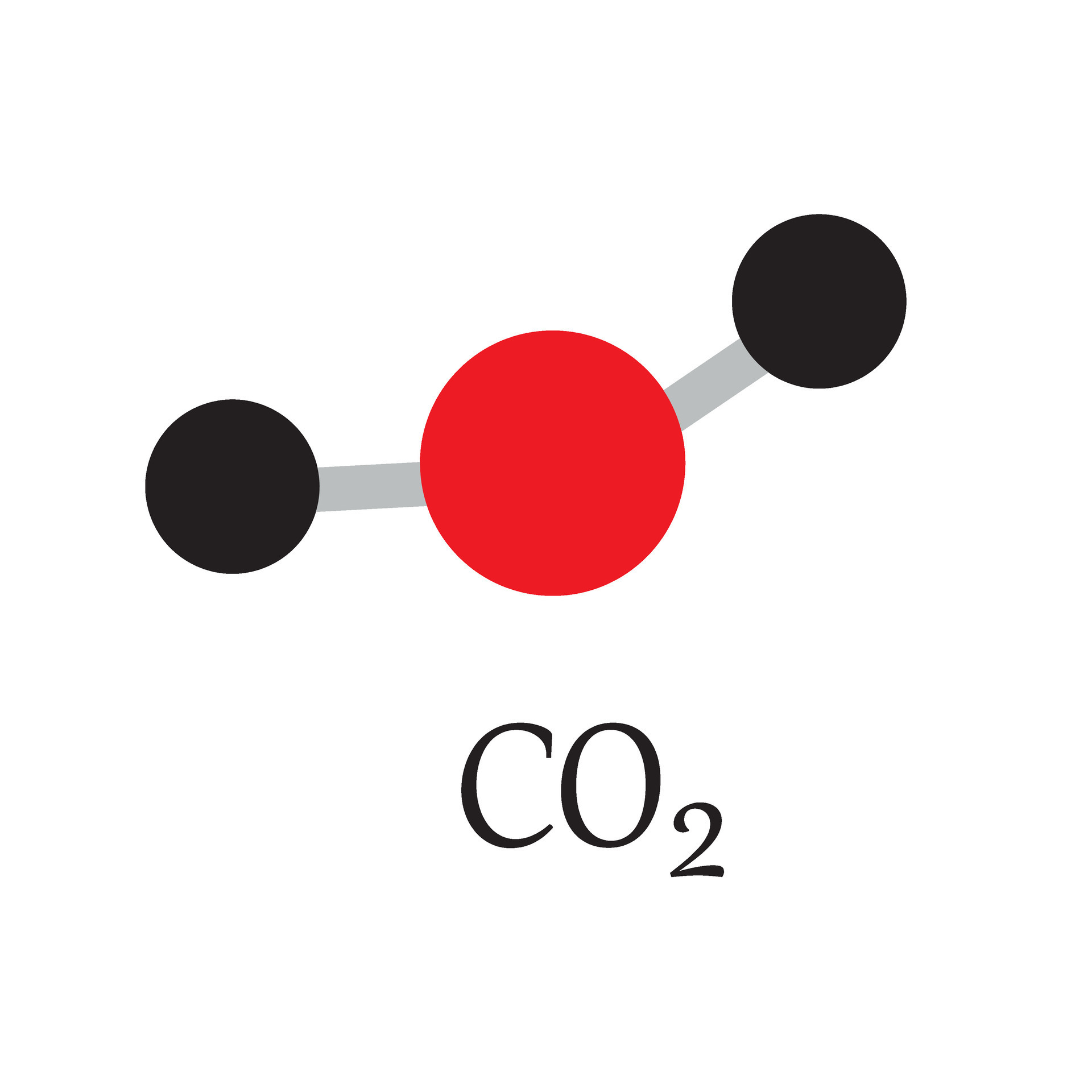
A CO2 welding machine operates as a specialized form of Metal Active Gas (MAG) welding that feeds a continuous consumable wire electrode through a welding gun while blanketing the weld pool in carbon dioxide gas. Unlike inert shielding gases such as pure argon, carbon dioxide is an active gas that breaks down under the intense heat of the electric arc. This reaction creates a hotter, highly energetic arc capable of achieving deep weld penetration on thick carbon steels while drastically reducing consumable shielding costs.
Understanding how this equipment functions helps fabricators decide when to choose pure carbon dioxide over expensive argon blends. While it generates more spatter than inert gas setups, its unmatched penetration profile and budget-friendly gas overhead make it a staple in structural shops and automotive garages.
Core Working Principle of CO2 Welders
The system relies on a constant voltage (CV) direct current power source paired with an automated wire drive mechanism. When the trigger is pulled, an electrical circuit completes between the continuously fed metal wire and the grounded workpiece, striking a visible electric arc.
At the same time, carbon dioxide flows from a high-pressure cylinder through a pressure regulator and out of the welding torch nozzle. Because carbon dioxide dissociates into carbon monoxide and oxygen at high welding temperatures, it reacts directly with the molten steel pool. To prevent porosity and weak joints caused by this oxidation, specialized electrode wires containing deoxidizers like silicon and manganese must be used. These elements scavenge stray oxygen molecules, binding them into harmless slag compounds that float to the surface.
Primary Uses Across Industries
Shops rely on these systems for specific production environments where raw penetration depth and speed outweigh the need for ultra-clean cosmetic finishes.
- Automotive Chassis and Frames: Structural components in vehicles demand high tensile strength. Technicians use these machines to join heavy steel tubing and chassis brackets where deep root penetration is non-negotiable.
- Heavy Structural Fabrication: Building frames, agricultural machinery, and heavy trailer tongues require robust fillet and groove welds that can handle heavy cyclic loading.
- Shipbuilding and Marine Repair: Thick steel plates used in hull construction and deck reinforcement benefit from the high deposition rates and deep fusion zones characteristic of carbon dioxide shielding.
- General Maintenance Shops: Repairing broken brackets, fixing cracked tractor buckets, and fabricating custom steel workbenches are typical tasks suited for these versatile power sources.
Key Benefits Over Inert Gas Setups
Choosing a carbon dioxide configuration over standard argon-rich mixtures offers distinct operational advantages, especially for budget-conscious metalworkers.
Lower Shielding Gas Costs
Pure carbon dioxide is significantly cheaper than argon or specialized tri-mix gases. For high-volume production facilities running multiple shifts, switching to carbon dioxide cuts shielding gas expenses by up to seventy-five percent, lowering overall fabrication overhead.
Exceptional Penetration Depth
Because the active gas creates a hotter, wider arc core, the weld puddle bites deeper into the parent metal. This characteristic minimizes the risk of lack-of-fusion defects on thick carbon steel joints, ensuring structural soundness under heavy loads.
High Deposition Rates
Operators can push higher wire feed speeds and amperage levels without losing arc stability, allowing workers to lay down more filler metal per hour. This speed boosts shop throughput on repetitive production runs.
Common Operational Challenges
Despite clear advantages, working with active carbon dioxide shielding introduces specific challenges that require careful management.
- Increased Spatter Generation: The energetic reaction of the gas causes molten droplets to pop and scatter around the weld bead. Welders must use anti-spatter spray inside nozzles and spend extra time grinding away stray BBs before painting.
- Rougher Bead Appearance: Welds produced under pure carbon dioxide often look coarser and less uniform than those made with argon-rich mixes. Post-weld clean-up may take longer if aesthetics matter.
- Burn-Through Risks: The high heat input makes it difficult to weld thin sheet metal without blowing holes through the material. Thin gauges typically require switching to an argon blend or lowering voltage significantly.
Step-by-Step Setup and Optimization
Proper configuration prevents common welding failures and keeps equipment running smoothly.
- Connect the Gas Supply: Secure the carbon dioxide cylinder to a stable cart, attach the pressure regulator and flow meter, and check all hose connections for leaks.
- Install the Correct Wire: Load a compatible solid steel wire, such as an ER70S-6 spool, ensuring the drive rolls match the wire diameter.
- Ground the Workpiece: Fasten the ground clamp directly to clean bare metal on the workpiece, as close to the joint as possible, to prevent electrical resistance issues.
- Dial in Machine Parameters: Set the power source to constant voltage, adjust wire feed speed to match your material thickness, and set gas flow rates typically between fifteen and twenty-five cubic feet per hour.
- Maintain Proper Technique: Keep a short stickout distance, hold a consistent travel speed, and maintain a fifteen-degree torch angle to ensure proper shielding coverage.
You can review additional equipment configurations and technical specifications directly through resources like the AWS Welding Handbook or standard equipment guidance from Miller Welds.
Frequently Asked Questions
Can I use pure carbon dioxide for aluminum welding?
No. Carbon dioxide is an active gas that reacts violently with molten aluminum, causing extreme oxidation, porous welds, and structural failure. Aluminum requires an inert gas like pure argon paired with a spool gun or push-pull system.
Why is my weld sputtering excessively?
Excessive spatter usually stems from incorrect voltage settings, too long of an arc length, a worn contact tip, or rust and contaminants on the base metal surface. Clean your joint thoroughly and fine-tune your voltage-to-wire-feed ratio.
Do I need special wire when welding with carbon dioxide?
Yes. You must use wires that contain strong deoxidizers like silicon and manganese (such as ER70S-6). Standard mild steel wires lacking these elements will result in porous, weak welds filled with internal voids.
Is ventilation required when using a CO2 welder?
Yes. While carbon dioxide is non-toxic in small amounts, it is heavier than air and displaces oxygen in enclosed workspaces, creating a suffocation hazard. Furthermore, the welding process generates metal fumes that require local exhaust ventilation or a respirator.