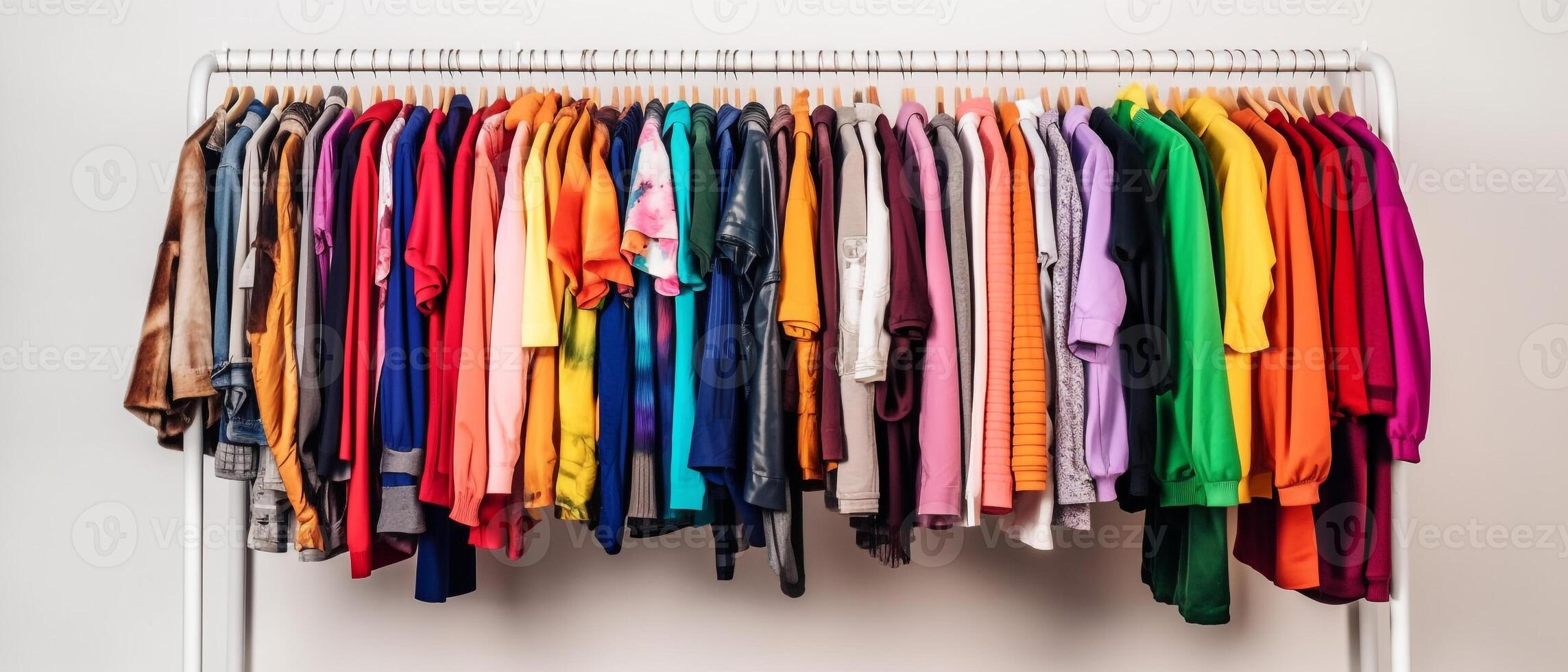
We rely on the same tired words when talking about what we wear. You call a top a shirt, shoes footwear, and pants trousers if you're feeling formal. This linguistic laziness limits how you describe fit, fabric, texture, and silhouette. Upgrading your style vocabulary with precise clothing synonyms changes how you shop, write about fashion, and understand garment design. Let's look at how to expand your lexicon beyond basic wardrobe labels so you can speak about garments with clarity.
Clothing synonyms refer to specialized apparel terms, silhouette descriptors, and fabric categorizations that replace vague everyday words. When you swap generic nouns for exact nomenclature, you communicate weight, cut, drape, and heritage instantly. Mastering these terms helps you find specific items online, thrift more effectively, and appreciate tailoring. It's time to ditch the filler words and look closer at your closet.
Why Basic Wardrobe Labels Fall Short
Everyday speech flattens clothing into a few catch-all buckets. You say sweater, jacket, or shoes, ignoring decades of sartorial evolution. Generic labels prevent you from finding exact matches online or communicating your preferences to a tailor.
Vague words hide structural differences. A cardigan, a pullover, and a jumper are all sweaters, but they function differently in an outfit. If you search thrift stores or online marketplaces using only broad terms, you miss out on hidden gems. Sellers mislabel items or use specific brand descriptions that general searches won't catch.
Precision matters when you invest in quality clothing. Learning correct terminology gives you power as a consumer. You understand what you're buying, why it costs what it does, and how it should fit your frame.
Outerwear Synonyms and Specific Cuts
Outerwear carries heavy structural weight in any wardrobe. Instead of calling everything a coat or a jacket, pinpoint the exact silhouette.
- Anorak vs. Parka: An anorak is a pullover waterproof hooded jacket, historically derived from Inuit designs. A parka is a heavy-weather coat padded with down or synthetic insulation, often featuring a fur-lined hood.
- Blouson vs. Bomber: A blouson gathers at the waist with a banded hem, creating a blunted silhouette. A bomber jacket shares the waist-cinching trait but originates strictly from military flight gear, featuring ribbed cuffs and a distinct collar shape.
- Overcoat vs. Topcoat: An overcoat is a heavy, knee-length winter coat made from thick wool. A topcoat is lighter, designed to slip over a suit during brisk spring or autumn days.
When shopping, check out resources like GQ Style to see how modern menswear editors utilize these precise outerwear distinctions in print.
Tops and Shirts Beyond the Basics
The upper body offers the widest range of clothing synonyms. Stop calling every button-down a shirt.
- Oxford vs. Chambray: Both feature button-front closures and collars, but an Oxford shirt uses a basket-weave fabric with a subtle texture. Chambray uses a plain weave with colored warp threads and white filling yarns, giving it a softer, denim-like appearance without the heavy weight.
- Henley vs. Jersey: A Henley is a collarless pullover shirt featuring a short placket with buttons near the neckline. A standard jersey is any knit pullover, often referencing sports heritage or casual cotton basics.
- Tunic vs. Blouse: A tunic extends past the hips with side slits, offering a longer silhouette. A blouse traditionally refers to a loose-fitting garment draped softly over the upper body, frequently constructed from silk or lightweight synthetics.
Pants and Lower Body Nomenclature
Lower body items suffer from some of the most generic labeling in retail. Jeans, trousers, and shorts cover a massive variety of cuts that deserve their own names.
- Chinos vs. Khakis: Chinos are lightweight twill trousers made from cotton blends, featuring a flat front and a clean drape for business casual wear. Khakis are heavier, utility-oriented trousers rooted in military uniforms, often featuring pleats and patch pockets.
- Culottes vs. Palazzo Pants: Culottes look like a skirt from a distance but are actually split trousers ending below the knee. Palazzo pants offer extreme width from waist to hem, creating a dramatic, flowing silhouette.
- Joggers vs. Sweatpants: Sweatpants are heavy, fleece-lined lounge bottoms built for warmth and relaxation. Joggers are tapered athletic pants with elasticized ankles, engineered for movement and lightweight breathability.
You can explore official historical apparel guidelines through institutions like the Victoria and Albert Museum to trace how these trouser styles evolved over centuries.
Fabric and Texture Vocabulary
Style vocabulary extends beyond garment names into the physical makeup of textiles. Knowing fabric synonyms helps you judge durability and drape before touching an item.
- Tweed vs. Houndstooth: Tweed is a rough, woolen fabric woven from carded yarns with mixed flecks of color. Houndstooth is a patterned textile featuring broken checks or abstract four-pointed shapes, usually in high-contrast black and white.
- Bouclé vs. Chenille: Bouclé uses looped yarn to create a textured, bumpy surface feel. Chenille features fuzzy, caterpillar-like pile yarns that catch light differently from every angle.
Common Mistakes When Upgrading Your Style Vocabulary
People often misuse technical terms to sound sophisticated, which backfires. Don't call every slim pant a cigarette pant, and don't confuse unstructured blazers with sport coats.
Another error is ignoring regional terminology differences. What Americans call pants, British speakers often call trousers, while pants in the UK historically meant undergarments. Context dictates which synonym fits best. Keep your audience in mind. Don't overwhelm casual friends with tailoring jargon unless they ask.
Frequently Asked Questions
What is the difference between a coat and a jacket?
Length and weight define the split. Jackets end at the waist or hips and serve lighter weather or casual layering. Coats extend past the hips or to the knees, designed to block harsh winter elements.
How do I learn more fashion terms without a design degree?
Read tailoring blogs, study vintage clothing catalogs, and look up garment care labels. Brand lookbooks often provide exact fabric compositions and silhouette names for every piece in their collection.
Are all sweaters called jumpers?
No. Jumpers is a common British term for sweaters, but in North America, a jumper refers to a sleeveless, dress-like garment worn over a blouse or shirt.
Why should I care about clothing synonyms?
Precise vocabulary saves time when shopping online and helps you communicate specific alteration requests to a tailor. You buy better pieces when you know what they're called.



