Rising global temperatures are fundamentally altering atmospheric and oceanic systems, driving a systemic shift in planetary weather patterns. What we experience today isn't random seasonal variation, but a structural realignment of the Earth's thermal engine. Higher baseline temperatures increase moisture retention in the atmosphere and destabilize long-standing wind currents, resulting in persistent heatwaves, intensified storm systems, and erratic precipitation cycles.
This transformation creates cascading risks for global agriculture, municipal water supplies, and public safety infrastructure. Understanding the physical mechanisms behind these changes helps communities move past short-term crisis management toward systematic, data-backed resilience planning.
The Physical Mechanisms Driving Climate Shifts
The primary driver behind shifting weather patterns is simple thermodynamics. As greenhouse gas emissions trap more thermal energy within the lower atmosphere, global average surface temperatures rise. This added energy accelerates the hydrological cycle.
For every $1^\circ\text{C}$ of atmospheric warming, the air's capacity to hold water vapor increases by roughly 7 percent. This basic physical law transforms standard rainstorms into heavy deluges and turbocharges tropical cyclones by providing excess latent heat.
At the same time, polar warming outpaces equatorial warming—a phenomenon known as Arctic amplification. The Arctic has warmed at more than twice the global average rate over the past several decades, according to data from the NOAA Arctic Program. This reduction in the temperature gradient between the pole and the equator weakens the polar vortex and alters the path of the jet stream. Instead of moving steady weather systems smoothly from west to east, a meandering, sluggish jet stream gets stuck in place, locking prolonged heat domes over continents or freezing air masses over unexpected regions.
Regional Manifestations and Micro-Climates
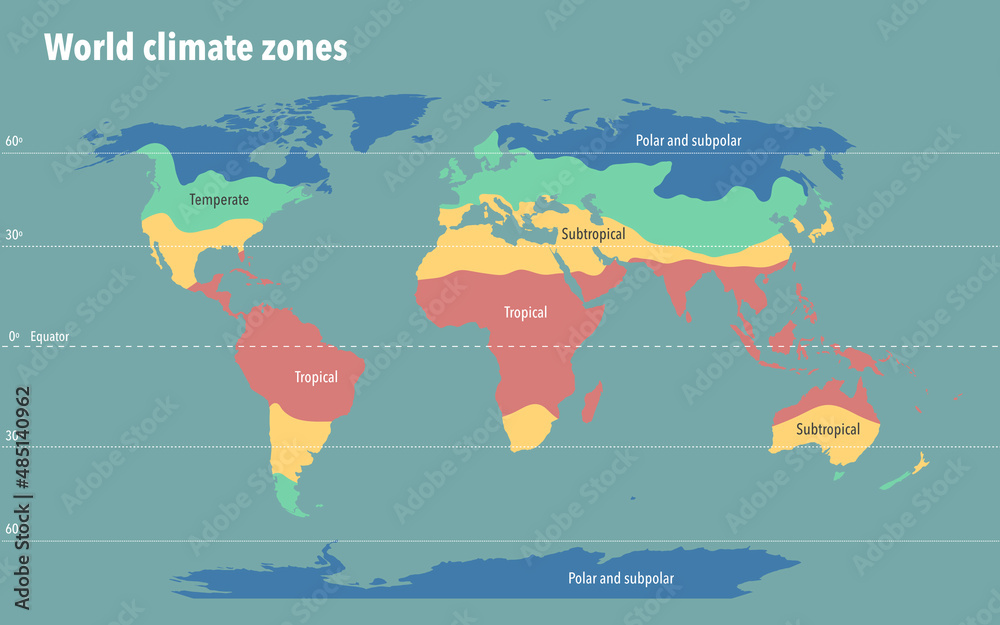
The impacts of these atmospheric changes vary significantly by geography. Distinct regions face contrasting threats depending on local topography, ocean currents, and wind patterns.
- Western North America: Faces persistent megadroughts and intense wildfire seasons due to early snowpack melting and higher summer evaporation rates.
- South Asia: Experiences more volatile monsoon seasons, where traditional planting schedules clash with sudden, catastrophic riverine flooding.
- The Mediterranean Basin: Transforms into a drying hotspot, with shorter, warmer winters and extended summer drought conditions that strain regional aquifers.
- Equatorial Oceans: Suffer from elevated sea surface temperatures that coral reef ecosystems cannot tolerate, leading to widespread bleaching events.
Urban areas face distinct vulnerabilities due to the urban heat island effect. Concrete, asphalt, and dense building layouts absorb solar radiation during the day and radiate it slowly at night, compounding the physiological stress of prolonged heatwaves on urban residents.
Measuring the Economic and Human Toll
Shifting weather patterns translate directly into heavy economic losses and public health emergencies. Global insured losses from weather-related catastrophes have climbed steadily since the 1980s, driven by high-density coastal development and more violent storm surges.
Agricultural supply chains absorb the initial shock of these disruptions. Unseasonal frosts, prolonged soil moisture deficits, and sudden floods damage staple crops like wheat, rice, and corn. According to the Intergovernmental Panel on Climate Change (IPCC), yield stability in major breadbasket regions is declining, putting upward pressure on global food prices and increasing food security risks in import-dependent nations.
Public health systems face compounding pressures as well. Extreme heat triggers cardiovascular and respiratory distress, particularly among aging populations and outdoor workers. Furthermore, warmer ambient temperatures expand the geographic range of vector-borne diseases like dengue fever and malaria by creating viable breeding habitats for mosquitoes further away from the equator.
Actionable Mitigation and Adaptation Strategies
Communities and industries are shifting from reactive disaster response to proactive climate adaptation. Effective resilience planning relies on three core pillars:
- Upgrade Infrastructure Design: Cities are replacing aging stormwater systems with green infrastructure, such as permeable pavements, bioswales, and urban wetlands designed to absorb heavy runoff.
- Expand Early Warning Networks: Integrating artificial intelligence with satellite meteorology allows forecasters to predict extreme weather events days in advance, giving emergency managers time to evacuate vulnerable zones.
- Diversify Agricultural Practices: Farmers are adopting drought-resistant crop varieties, precision irrigation systems, and regenerative tillage techniques to preserve soil moisture and prevent erosion.
Capital allocation remains a major hurdle. While major metropolitan areas invest heavily in seawalls and heat action plans, smaller municipalities and developing regions often lack the upfront capital required for large-scale resilience projects. Bridging this funding gap requires coordinated international climate finance and public-private partnerships.
Frequently Asked Questions
Why do cold winters still happen if the planet is warming?
Global warming raises the planetary average temperature, but it doesn't eliminate regional cold weather. In fact, a destabilized jet stream caused by Arctic warming can push frigid polar air much further south than usual, causing severe winter storms in areas unaccustomed to deep freezes.
How do scientists distinguish natural climate cycles from human-driven shifts?
Scientists use physics-based climate models and paleoclimatic data—such as ice cores and tree rings—to isolate natural drivers like solar activity and volcanic eruptions. Computer simulations consistently show that observed warming trends over the past century cannot be replicated without factoring in human greenhouse gas emissions.
What is the difference between climate mitigation and climate adaptation?
Mitigation refers to efforts to reduce or prevent greenhouse gas emissions to slow down future warming, such as transitioning to renewable energy. Adaptation involves adjusting our practices, infrastructure, and societies to live with the climate shifts that are already happening.
How does ocean warming affect land weather?
Oceans absorb more than 90 percent of excess heat trapped by greenhouse gases. Warmer ocean water provides more thermal energy and moisture to passing storms, increasing wind speeds, rainfall totals, and the likelihood that tropical systems will rapidly intensify before making landfall.


