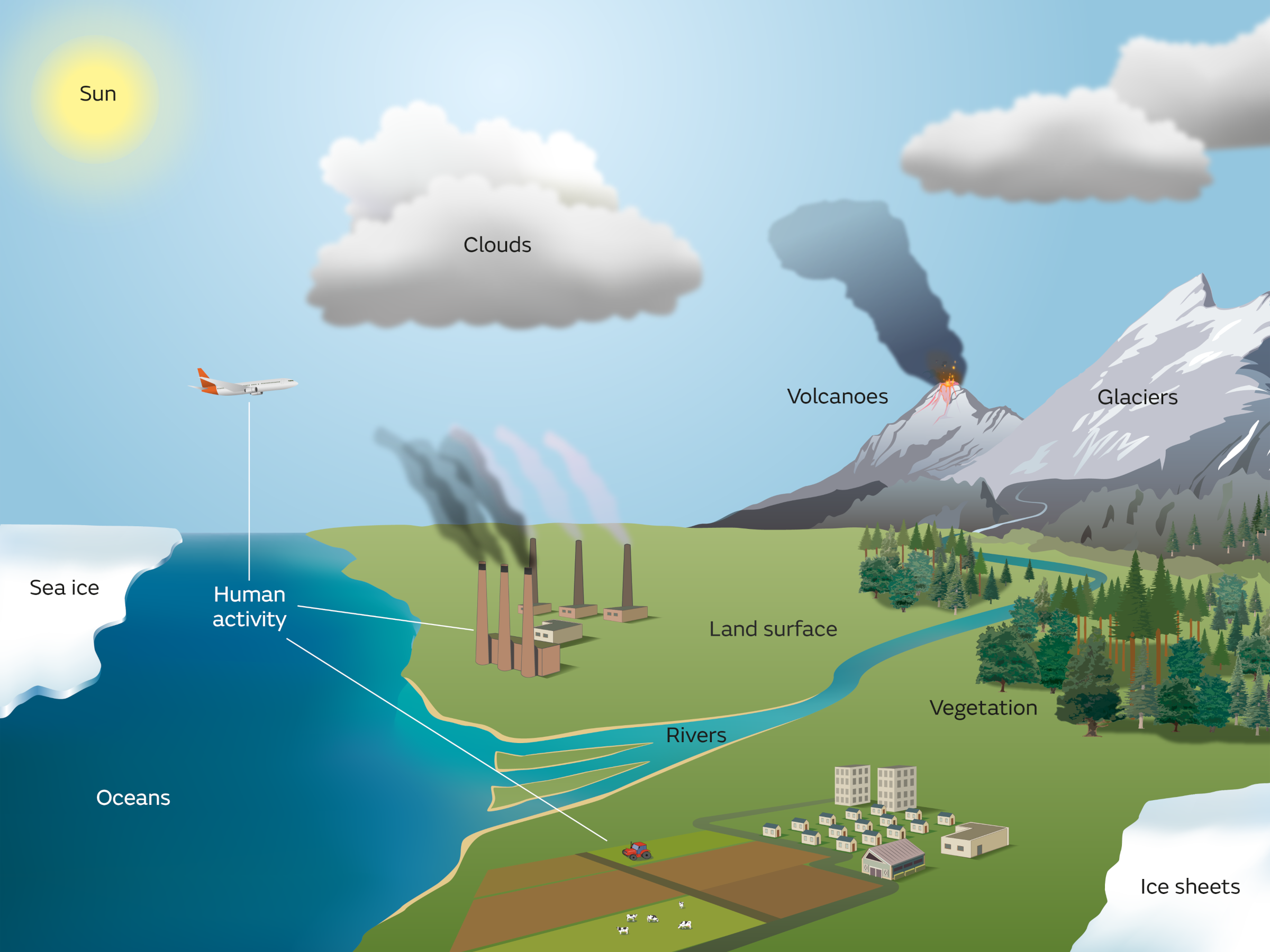
Freshwater ecosystems face unprecedented stress as rising global temperatures and intensive industrial practices converge on global river networks. Rivers, lakes, and aquifers no longer operate within historical hydrological baselines. Instead, shifting weather patterns and urban expansion are rapidly reshaping natural drainage systems worldwide.
Understanding these transformations requires looking at how thermal shifts and physical alterations compound one another. When air temperatures climb, aquatic systems absorb excess heat, reducing dissolved oxygen levels and altering the fundamental chemistry of freshwater habitats. At the same time, human infrastructure like dams, canalization, and urban runoff accelerates erosion, concentrates pollutants, and fragments critical ecological corridors.
The Thermal Pressures of a Warming Climate
Climate change alters the water cycle by intensifying both droughts and precipitation events. As air temperatures increase, evaporation rates accelerate, depleting surface water stores and shrinking seasonal snowpacks that traditionally fed major river basins during dry summer months.
Higher ambient temperatures directly warm river channels. Warmer water holds less dissolved oxygen, creating hypoxic zones that threaten native fish species and macroinvertebrates. Cold-water species like trout and salmon face severe habitat contraction as stream temperatures exceed their physiological tolerance thresholds.
- Reduced snowpack storage: Winter precipitation falls increasingly as rain rather than snow, causing early spring floods and severe late-summer low-flow conditions.
- Increased water temperatures: Accelerated thermal loading alters metabolic rates in aquatic organisms, favoring invasive species that tolerate warmer, lower-oxygen environments.
- Extreme hydrological swings: Intense storm events generate high-velocity runoff that scours riverbeds, dislodging spawning grounds and washing accumulated sediments downstream.
Human Modifications and Altered Hydrology
While climate shifts alter baseline conditions, direct human interventions physically rewrite how water moves across the landscape. Engineering projects designed for flood control, irrigation, and power generation have fragmented nearly two-thirds of the world's large rivers.
Channelization strips rivers of their natural meanders and wetlands, replacing dynamic floodplains with concrete banks. This speeds up water velocity during storms, preventing natural infiltration into local aquifers and increasing peak flood downstream. Wetlands and riparian buffers, which act as natural sponges and pollutant filters, continue to be lost to agricultural conversion and urban sprawl.
- Dams and reservoirs: Impoundments trap sediments, block migratory pathways for aquatic species, and drastically alter downstream thermal and flow regimes.
- Urban impervious surfaces: Roads, roofs, and parking lots prevent rainwater absorption, funneling untreated stormwater, heavy metals, and oils directly into local waterways.
- Agricultural withdrawal: Massive extraction for irrigation depletes surface flows and groundwater reserves, causing rivers like the Colorado and the Murray-Darling to experience severe depletion before reaching their deltas.
Cumulative Impacts on Water Quality
The collision of climate volatility and human activity creates compounding crises for water quality. When severe droughts reduce river discharge, point-source pollution from municipal wastewater treatment plants and industrial facilities becomes more concentrated.
Conversely, intense flash floods wash massive loads of agricultural fertilizers and urban contaminants into freshwater networks in short bursts. Excess nitrogen and phosphorus trigger widespread algal blooms, which consume available oxygen when they decompose, resulting in extensive dead zones in lakes and coastal estuaries.
Strategies for Ecological Restoration
Addressing these combined pressures requires moving away from rigid, hard-engineering approaches toward restorative water management. Watershed managers increasingly rely on nature-based solutions that restore natural hydrological functions and build long-term resilience.
- Floodplain reconnection: Lowering artificial levees allows rivers to spill onto natural floodplains, reducing peak flood heights and recharging vital groundwater aquifers.
- Riparian zone protection: Planting native vegetation along riverbanks stabilizes soils, filters runoff, and provides shade to moderate water temperatures.
- Smart flow management: Coordinating dam releases to mimic natural seasonal flooding cycles helps restore downstream ecosystems and rebuild degraded habitats.
For more insights on global water resource strategies, explore the USGS Water Science School and the International Water Management Institute.
Frequently Asked Questions
How does climate change directly affect river flow?
Climate change alters precipitation patterns, reduces mountain snowpacks, and increases evaporation. This leads to severe low-flow conditions during dry seasons punctuated by intense, destructive flooding during heavy storm events.
What role do wetlands play in protecting waterways?
Wetlands act as natural sponges that absorb excess floodwaters, trap sediment, and filter out pollutants like excess nutrients and heavy metals before they reach major rivers and lakes.
Why are urban runoff and impervious surfaces harmful?
Paved surfaces prevent rainwater from soaking into the ground. Instead, stormwater runs off rapidly, picking up pollutants and eroding stream banks while preventing the natural replenishment of underground aquifers.
How do rising water temperatures impact aquatic life?
Warmer water holds less dissolved oxygen, which stresses fish and other aquatic organisms. High temperatures also accelerate the growth of harmful algal blooms and create favorable conditions for invasive species.



