Finding a historical notice or researching a prominent local figure in the Cleveland Plain Dealer requires navigating more than 180 years of local newspaper history. As Ohio's oldest continuously published newspaper, the Plain Dealer has documented the births, milestones, and passings of generations of Clevelanders since 1842.
If you're trying to locate current death notices, access historical archives for genealogical research, or understand how these records document the social evolution of Northeast Ohio, knowing where to look saves hours of searching. Local historical records show that the publication shifted from brief line notices in the nineteenth century to detailed biographical narratives, making its archive a vital mirror of the region's demographic shifts, industrial boom, and labor history.
How to Access Current and Historical Plain Dealer Obituaries
Locating a notice in the paper depends entirely on the timeframe you're researching. Current notices and recent archives require different tools than nineteenth-century entries.
For notices published within the last few days or weeks, the official digital hub is Cleveland.com, which partners with Legacy.com to host the daily death notices, guest books, and funeral home announcements. You can search by surname, date range, or specific funeral home across Cuyahoga County and surrounding suburbs. Further insight on this matter has been provided by BBC.
If you're looking further back—ranging from twenty years ago to the mid-nineteenth century—you'll need archival databases. The Cleveland Public Library provides free access to historical newspaper archives for cardholders, including digitized versions of the Plain Dealer that let you search by full text, maiden names, and publication dates.
- Recent Notices (0–30 days): Search directly via the Legacy.com Cleveland Plain Dealer portal.
- Mid-20th Century Records: Use commercial genealogy platforms like Ancestry or Newspapers.com, which hold indexed scans of the print editions.
- Deep Historical Archives (1842–1922): Public domain scans are accessible through the Library of Congress Chronicling America project, which includes early issues of Cleveland newspapers.
The Evolution of the Obituary Format
If you compare a death notice from 1860 with one printed in 2024, the changes reveal a broader shift in American journalism and social customs.
Early notices were brief, transactional announcements. They typically listed only the full name of the deceased, the date and cause of death (often explicit, such as typhoid or industrial accidents), and the time and location of the graveside service. Space was expensive, and papers treated the column as public notification rather than a tribute.
By the mid-twentieth century, the format expanded to include surviving family members, organizational memberships, and military service records. This era coincided with Cleveland's peak industrial workforce, where notices frequently highlighted union affiliations, factory tenures at companies like Republic Steel or Ford, and neighborhood ties to areas like Slavic Village or the West Side.
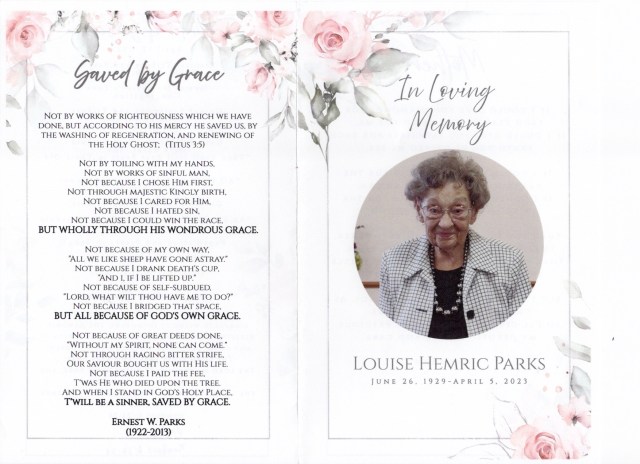
Today, modern notices often function as mini-biographies. Families frequently purchase display space to include photographs, personal anecdotes, hobbies, and customized tributes that celebrate a person's individual passions rather than just their formal lineage.
Obituaries as a Primary Source for Local History
Historians, sociologists, and genealogists rely on the Plain Dealer archive because mortality records capture details missing from official government censuses.
When major historical disruptions hit Cleveland—such as the 1918 influenza pandemic, the industrial restructuring of the late twentieth century, or the civil rights struggles of the 1960s—the obituary pages reflected the human cost. For instance, obituaries from the mid-twentieth century document the massive Great Migration wave, detailing the southern hometowns of new Cleveland residents who moved north to work in manufacturing.
Furthermore, notices of notable civic leaders, artists, and labor organizers provide concrete dates and achievements that anchor regional history books. They document the founders of local institutions, neighborhood parishes, and philanthropic organizations that built modern Cleveland.
Common Mistakes When Researching Historical Notices
Searching archival databases for old records often leads to dead ends if you rely solely on modern spelling or standard search queries. Avoid these common pitfalls to improve your results:
- Relying on exact name spellings: Nineteenth-century typesetters frequently misspelled immigrant surnames based on phonetics. Search using wildcards (e.g., Smi*th or Kowals).
- Ignoring maiden names: Married women in historical records were frequently listed only by their husband's name (e.g., Mrs. John Doe). Cross-reference marriage records to find given names.
- Assuming complete digital coverage: Not every historical edition has been indexed with perfect optical character recognition (OCR). If a keyword search fails, browse page-by-page through the specific date if you have an approximate timeline.
Frequently Asked Questions
How far back do the digital archives for the Cleveland Plain Dealer go?
The continuous print archive dates back to the newspaper's founding in 1842, though digital searchability varies by provider. The Cleveland Public Library and commercial genealogy sites offer the most complete digitized collections from the nineteenth and twentieth centuries.
Can I submit a correction to a published obituary?
Yes. If a notice contains an error regarding service times, survivor names, or spelling, contact the Plain Dealer classifieds or the handling funeral home immediately. Corrections are typically printed in a subsequent edition.
How do I find obituaries for suburban areas outside Cleveland proper?
The Plain Dealer covers greater Cuyahoga County and surrounding counties (such as Lake, Geauga, and Lorain), but hyper-local suburban papers like the Sun News or local county gazettes often carried smaller community notices that may not appear in the main metro edition.
Are historical obituaries free to view?
Accessing recent notices online is generally free, but deep historical archive searches often require a subscription to services like Newspapers.com or a valid library card to use institutional databases like NewsBank or the Cleveland Public Library digital collections.



