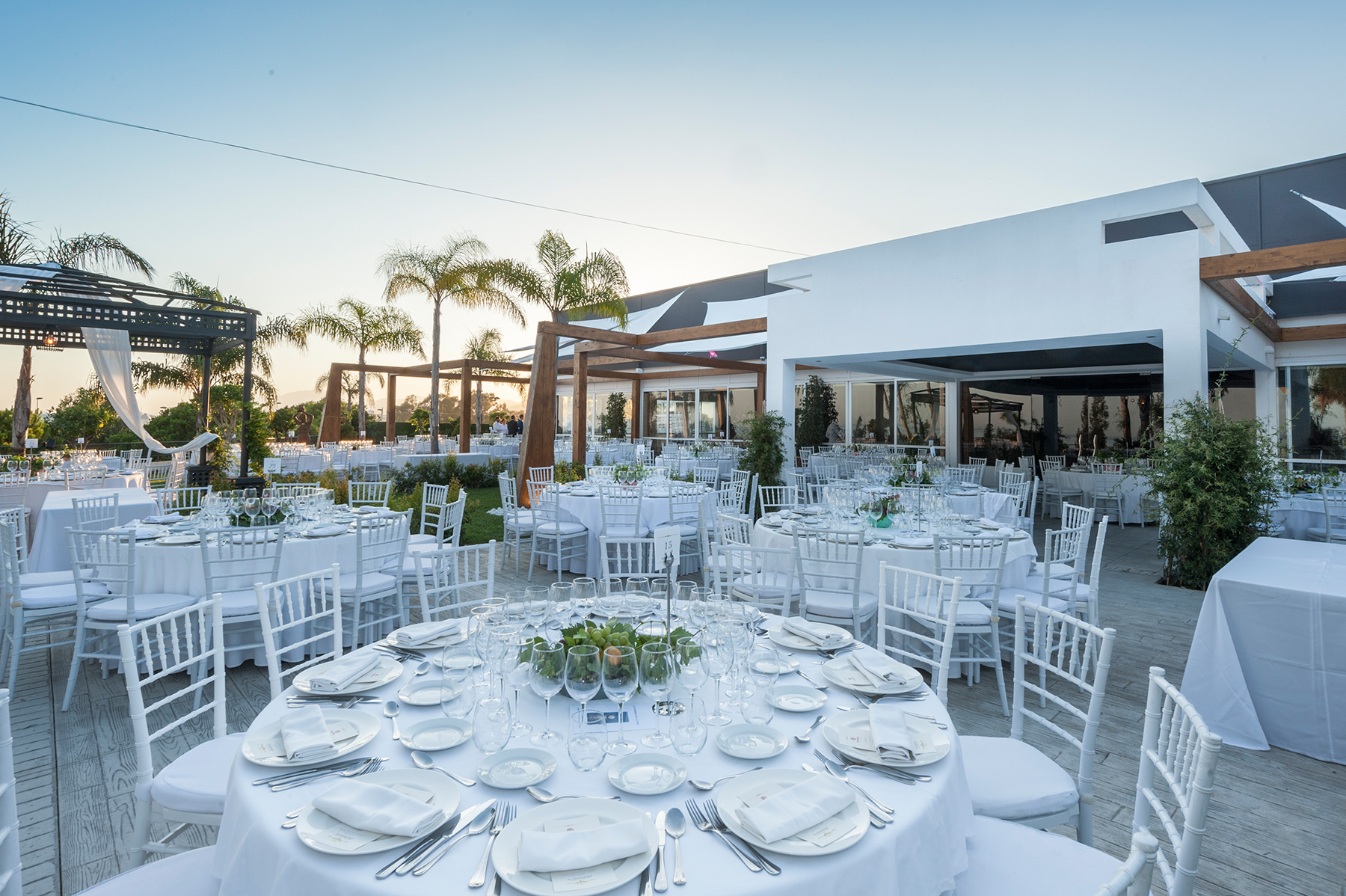
Cleo Rose Elliott has established a distinctive reputation in luxury event production by moving away from fleeting commercial trends and focusing on deeply narrative-driven spatial design. Rather than relying on generic maximalist decor, Elliott approaches weddings through an architectural lens, where personal history and environmental context dictate the structural and visual layout of the celebration.
The primary search intent behind queries regarding Cleo Rose Elliott and wedding design centers on understanding her unique aesthetic methodology, the philosophy of narrative-led curation, and how high-end couples translate personal stories into physical environments. While casual observers often confuse names or search for celebrity wedding gossip due to familial ties to actors Sam Elliott and Katharine Ross, the professional discourse surrounding Elliott focuses entirely on bespoke event architecture, material authenticity, and the mechanics of creating cohesive luxury celebrations.
The Architectural Approach to Wedding Design
True bespoke event design requires more than selecting a color palette or coordinating floral arrangements. Elliott treats a venue as a blank architectural canvas, analyzing scale, natural light, and historical context before sketching a single concept.
When planning a high-end celebration, successful designers evaluate spatial flow to ensure guests experience emotional crescendos throughout the evening. This means designing spatial transitions—moving guests from an intimate ceremony clearing to an expansive reception pavilion—with deliberate pacing.
- Structural Integration: Designing temporary installations that complement rather than overpower historical architecture or natural landscapes.
- Spatial Rhythm: Controlling sightlines and acoustic flow so that large venues feel intimate and contained spaces feel breathable.
- Material Integrity: Utilizing authentic, touchable materials—such as raw timber, natural stone, and custom-woven linens—instead of synthetic substitutes.
By treating temporary event spaces with the permanence of interior architecture, designs achieve a level of gravitas that standard event planning misses.
Translating Personal Narrative Into Physical Space
A recurring element in Elliott's featured projects is the translation of a couple's intimate history into tangible design elements. Generic luxury often feels sterile because it lacks personal grounding. Designing with narrative intent requires extracting specific memories, cultural touchstones, or shared passions and embedding them into the physical fabric of the event.
For example, a couple with a shared background in marine biology or coastal conservation might see those elements reflected in understated textural choices—such as muted sea-glass color palettes, hand-pressed botanical menus featuring indigenous coastal flora, and lighting schematics that mimic dusk on the water.
- Discovery and Curation: Conducting extended interviews with clients to unearth formative memories, favorite travel destinations, and shared values.
- Thematic Translation: Converting abstract emotions and memories into concrete design parameters, such as specific fabric weights, scent profiles, and bespoke tableware.
- Cohesive Execution: Ensuring every touchpoint—from the invitation suite to late-night lounge seating—shares a unified design vocabulary.
This intentionality transforms a standard reception into an immersive environment where guests intuitively understand the couple's story without needing a plaque or an explanation.
Common Pitfalls in High-End Wedding Planning
Couples and planners attempting to achieve timeless elegance often fall into specific traps that compromise the final result. Recognizing these mistakes helps maintain aesthetic integrity.
- Chasing Fleeting Trends: Incorporating viral social media aesthetics that look dated within two years. Timeless design relies on classical proportions and restraint.
- Over-Lighting: Flooding a venue with harsh white light ruins mood and atmosphere. Layered, warm-toned lighting with dimming schedules is essential for emotional resonance.
- Neglecting Acoustic Comfort: Beautiful rooms fail if guests have to shout across oversized tables. Sound baffling, proper table sizing, and speaker placement are critical technical details.
- Fragmented Vendor Direction: Hiring disparate vendors without a unifying artistic director often results in conflicting styles between floral, lighting, and catering aesthetics.
Avoiding these missteps requires rigorous project management and a commitment to editing down rather than adding more decor.
Frequently Asked Questions
What defines the aesthetic style associated with Cleo Rose Elliott?
The style emphasizes understated luxury, narrative-driven spatial planning, and material authenticity. It avoids heavy commercial trends in favor of bespoke architectural integration that honors the natural or historical context of the venue.
How does narrative design differ from traditional wedding themes?
Traditional themes usually rely on surface-level motifs, such as a color or a generic style like "rustic chic." Narrative design builds the entire visual language around the specific history, values, and memories of the couple, making the design completely unique.
Why is spatial flow important in luxury wedding design?
Spatial flow dictates how guests experience the evening emotionally and physically. Controlling sightlines, bottlenecks, and lighting transitions ensures that energy builds naturally from the ceremony to the final reception hours.
How far in advance do bespoke wedding designers typically begin planning?
High-end bespoke event architecture typically requires anywhere from nine to eighteen months of lead time to secure master artisans, custom fabricate unique elements, and coordinate complex multi-vendor logistics.
Can narrative design be applied to smaller, intimate weddings?
Yes. Intimate guest counts often allow for an even higher degree of custom detail, as resources can be redirected toward hyper-personalized guest experiences, bespoke tableware, and intricate environmental styling.



