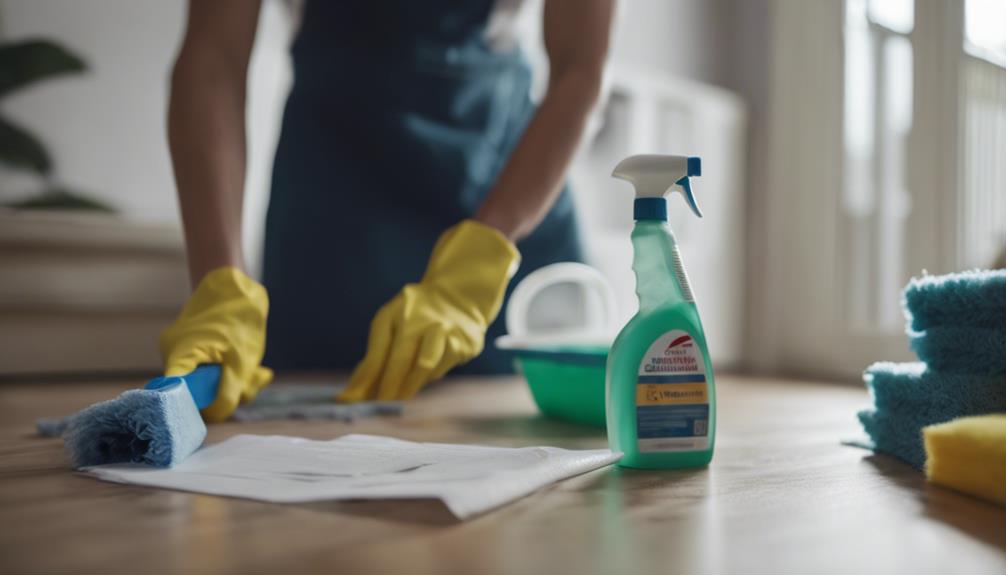
Hiring domestic help in Argentina—often referred to locally as empleada doméstica or personal de casas particulares—is an embedded part of middle- and upper-class household management, especially in major urban centers like Buenos Aires, Córdoba, and Rosario. Unlike casual gig-economy cleaning apps common in North America or Europe, domestic work in Argentina operates under a deeply ingrained cultural framework governed by strict federal labor legislation, specific wage scales, and registered employment obligations.
If you're moving to Argentina, renting an apartment, or trying to understand how local household staffing functions, navigating the legal and practical realities requires more than just finding someone reliable through word-of-mouth. From mandatory social contributions (aportes) to understanding hourly versus monthly rates, knowing how the system works protects both the homeowner and the worker.
The Legal Framework: Régimen del Personal de Casas Particulares
Argentina regulates domestic employment through a specific statute known as the Régimen del Personal de Casas Particulares (Law 26.844). This law establishes that anyone who performs cleaning, ironing, cooking, or general maintenance inside a home must be formally registered by their employer with AFIP (Administración Federal de Ingresos Públicos), Argentina's tax authority.
Working "en negro" (off-the-books) remains common for casual, one-off cleanings, but it carries significant legal and financial risks if an injury occurs on the property or if a labor dispute arises. Formal registration provides the worker with a legal framework that includes mandatory contributions to social security, healthcare (obra social), and workplace accident insurance (ART).
Categories of Domestic Workers
The law divides domestic workers into distinct categories based on their duties. For general household cleaning, you'll typically hire someone under Category 5 (Personal para tareas generales), which covers daily cleaning, washing, ironing, and general upkeep. Other categories include assistance for specific caregiving duties (such as elderly care or childcare) and specialized cooking or gardening roles.
Compensation, Wages, and Unions
Wages for domestic staff in Argentina are determined nationally by the Comisión Nacional de Trabajo en Casas Particulares. These rates are updated periodically to account for inflation, which has historically played a major role in the country's economy. Rates differ depending on whether the worker is employed on an hourly basis (con retiro — living off-site) or on a monthly salary basis (sin retiro — live-in).
- Hourly Rates: Typically negotiated for workers who come in one or two days a week for a fixed block of hours (usually a minimum of 4 hours per shift).
- Monthly Salaries: Applicable to steady employees who work fixed weekly schedules.
- Additional Costs: Employers are legally required to pay a proportional Christmas bonus (aguinaldo), paid vacation days (vacaciones pagadas), and severance provisions if the employment relationship ends.
Because of high inflation, keeping track of the official minimum wage tables issued by the Ministry of Labor is essential. Paying below the legally mandated baseline exposes employers to retroactive fines.
Finding and Hiring Domestic Help
Finding a trustworthy cleaning professional in Argentina relies heavily on personal referrals, trusted neighborhood networks, and local community groups. Unlike countries dominated by centralized apps like TaskRabbit or Handy, the Argentine market relies largely on human networks.
- Word-of-Mouth Recommendations: Ask landlords, local friends, or colleagues for recommendations. Most reputable cleaners secure steady clients through long-standing personal references.
- Agency Services: In major cities, boutique domestic staffing agencies vet candidates, conduct background checks, and handle initial reference verification, though they charge a placement fee.
- Trial Periods: It's standard practice to hire a cleaner for a paid trial day to assess their speed, thoroughness, compatibility, and handling of delicate household items.
Common Mistakes to Avoid
Navigating household employment in a new country can lead to missteps. Avoid these frequent errors:
- Failing to Register: Assuming that hiring someone for just one day a week exempts you from registration requirements. Even part-time workers require proportional social contributions (aportes patronales).
- Ignoring Travel Expenses: In Argentina, employers are legally required to cover the transportation costs (viáticos) associated with the worker commuting to the home, separate from their hourly or daily wage.
- Cash-Only Record Keeping: If you pay wages in cash, always obtain a signed receipt (recibo de sueldo) or keep digital transfer confirmations matching the official pay stubs generated via the AFIP portal.
Frequently Asked Questions
Is it mandatory to provide meals during the shift?
While not strictly required by law unless the worker is a live-in employee (sin retiro), providing coffee, tea, and access to basic food or lunch is standard cultural courtesy for workers staying four or more hours.
Can I fire a domestic worker easily if things don't work out?
During the initial trial period (usually the first 30 to 90 days depending on the contract type), termination is straightforward. For established formal employees, standard labor laws require written notice periods and severance compensation (indemnización) unless fired for documented just cause.
How do wage increases work during high inflation?
The National Commission for Domestic Work frequently negotiates retroactive salary increases. Employers must monitor these official adjustments and update their monthly AFIP contribution calculations accordingly.
Are cleaning supplies provided by the employer or the worker?
In Argentina, the homeowner is entirely responsible for supplying all cleaning products, tools, vacuums, mops, and safety equipment required for the job.


