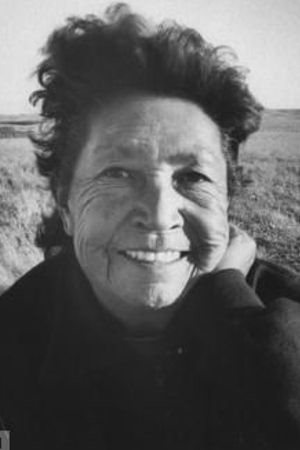
Claudie Blakley has spent more than two decades carving out a quiet, formidable reputation in British television, film, and theatre. She doesn't chase tabloid headlines or blockbuster franchises. Instead, she chooses complex, grounded characters that demand emotional precision. If you've watched acclaimed UK dramas over the last twenty years, you've likely seen her command the screen with a naturalistic intensity that makes her performances linger long after the credits roll.
Born in London in 1974 to actress Lin Blakley and cinematographer Alan Blakley, she grew up surrounded by the industry. Yet, her success isn't the result of nepotism. It's built on classical training at the Royal Academy of Dramatic Art and a relentless dedication to character work. Whether she's navigating the constraints of the eighteenth century in a period drama or playing a stressed mother in a contemporary thriller, she brings a rare authenticity to every project.
Early Training and Foundations
Before landing major television roles, Blakley honed her craft through formal theatrical education. Training at RADA gave her a technical baseline that many screen actors miss. It taught her how to control vocal delivery, understand spatial relationships on stage, and dissect scripts with razor-sharp analytical skills.
This foundation matters because it shapes how she approaches screen acting. Many performers rely on big facial expressions or loud delivery to convey emotion. Blakley does the opposite. She relies on stillness, micro-expressions, and active listening. When you watch her in a scene, you can see her character processing information in real time.
That technical discipline allowed her to transition smoothly between high-budget television productions and intimate stage plays without losing her natural edge. She treats dialogue not just as words to memorize, but as subtext waiting to be uncovered.
Breakthrough Television and Naturalistic Style
Her early career gained serious momentum when she appeared in the groundbreaking BAFTA-winning comedy-drama The Royle Family as Angela. While the show is famous for its sitcom format set entirely in a living room, it demanded absolute sincerity from its cast to make the comedy work. Blakley delivered that sincerity in spades.
Shortly after, she took on diverse television projects that proved she wasn't a one-note performer. She starred in radio dramas and television adaptations like Clay, showing an ability to inhabit flawed, deeply human characters.
Instead of playing idealized heroes, she gravitates toward women who are messy, resilient, and searching for stability in chaotic circumstances. That choice has resonated with viewers who appreciate characters that reflect real life rather than glossy television tropes.
Mastery of Period Dramas and Historical Context
Some of Blakley's most memorable work happens when she steps back in time. Period dramas can easily feel stiff or costume-heavy if the actor doesn't understand the physical and social restrictions of the era. Blakley avoids this trap entirely.
Take her role as Lady Sarah Garrow in the legal period drama Garrow's Law. She portrayed a woman supporting her husband's pioneering legal work while trapped inside the rigid social hierarchy of eighteenth-century England. She conveyed frustration, intelligence, and quiet rebellion without ever breaking historical character.
Later, her work in the detective series Wallander and the wartime medical drama The Crimson Field showed her adaptability across different historical periods. She researches her roles meticulously. She doesn't just put on a corset or a vintage uniform; she adopts the posture, speech rhythms, and social anxieties of the period naturally.
Transitioning to Contemporary Thrillers and Film
While historical settings suit her, Blakley doesn't get boxed into a single genre. She moves comfortably between period pieces and gritty modern narratives.
In films like The Scouting Book for Boys, she balanced warmth with narrative tension. In gripping television thrillers like The Driver, she played characters dealing with high-stakes moral dilemmas. These roles require a different kind of stamina. There are no grand costume pieces or historical distance to lean on. It's just raw performance, often captured in tight close-ups where any false note would immediately stand out.
Her ability to anchor tense scenes with understated delivery makes her a favorite among directors who want realism over melodrama. She lets the audience feel the weight of the situation through her posture and pacing rather than shouting matches.
The Stage and Classical Theatre Roots
Film and television pay the bills, but theatre keeps an actor sharp. Blakley has maintained a steady presence on stage, including notable performances with the Royal Shakespeare Company.
Performing classical text live night after night requires immense vocal stamina and emotional control. You have to reach the back row of a massive theatre while keeping the performance intimate enough to feel real to the front row. Her classical training shines brightest in these environments.
Theatre also demands deep ensemble work. Actors must listen to each other and react organically every single night. That collaborative muscle makes Blakley an exceptional screen scene partner, elevating the performances of everyone sharing the frame with her.
Common Misconceptions About Character Actors
It's easy to look at a versatile performer like Blakley and assume success comes easily once you graduate from a prestigious drama school. That's far from the truth.
- Myth: Actors who transition between genres are just chasing whatever work is available.
- Reality: Versatility usually stems from a conscious choice to avoid typecasting, even when it means turning down predictable roles.
- Myth: Period drama acting is mostly about wearing costumes correctly.
- Reality: Authentic period acting requires deep historical research into psychology, law, and social standing to make past eras feel immediate.
Blakley's career proves that building longevity in the entertainment industry requires patience, rigorous training, and a willingness to step away from the spotlight in favor of strong storytelling.
Frequently Asked Questions
Where did Claudie Blakley receive her acting training?
She trained at the Royal Academy of Dramatic Art in London, where she developed her strong technical foundation in voice, movement, and text analysis.
What are some of her most notable television roles?
She is widely recognized for her work in The Royle Family, Garrow's Law, Wallander, and The Crimson Field.
Does she still perform in live theatre?
Yes, she maintains an active presence on stage and has worked extensively with major theatre institutions, including the Royal Shakespeare Company in classical productions.
What defines her approach to acting?
She focuses heavily on internal character depth, naturalism, and precise physical and emotional restraint rather than relying on melodrama or exaggerated expressions.



