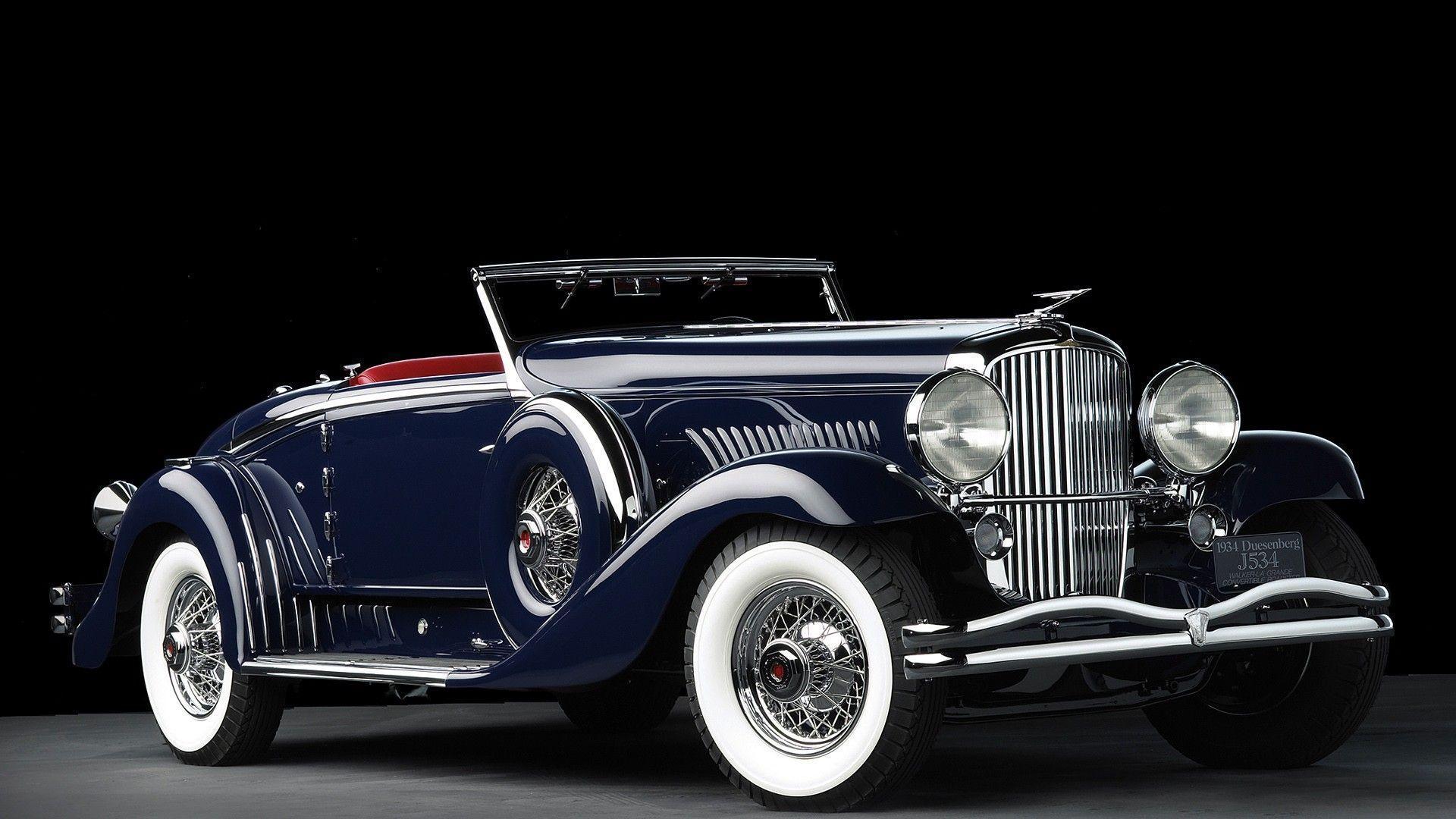
Classic hits are filling streaming playlists and charting on digital platforms faster than ever. If you've noticed your younger friends humming tunes from the 1970s or viral videos featuring 1980s synth-pop, you aren't imagining things. Oldies music is experiencing a massive resurgence across digital streaming services, film soundtracks, and social media feeds.
People of all ages are turning away from hyper-produced modern tracks to find comfort, narrative depth, and authentic instrumentation in older catalogs. Streaming giants report billions of monthly streams for legacy acts, proving this isn't just a nostalgic echo chamber for older generations—it's a vibrant cultural shift led by Gen Z and Millennials.
The Streaming Era and Algorithmic Discovery
Music streaming completely changed how catalog tracks find an audience. Before on-demand streaming, discovering a song from forty years ago required finding a rare vinyl record, buying a greatest-hits CD, or catching a specialty radio show. Today, algorithmic recommendations bridge the gap between decades instantly.
When a user streams a modern indie-rock band, automated playlist generators naturally feed them foundational influences like Fleetwood Mac or The Smiths. Platforms like Spotify build personalized timelines that mix contemporary releases with vintage tracks, making historical boundaries disappear. Songs no longer age out of rotation; they sit side-by-side in daily mixes.
- Zero friction discovery: Listeners skip record store hunts entirely.
- Playlists over albums: Curated mood playlists mix 1974 soul with 2024 indie pop seamlessly.
- Active catalog investment: Major record labels spend millions buying publishing rights for legacy catalogs to monetize this exact streaming behavior.
Social Media as a Time Machine
Short-form video platforms act as the primary accelerator for classic hits. A single viral dance challenge or atmospheric scene edit on TikTok can propel a forty-year-old track straight back onto the Billboard charts.
When television shows like Stranger Things license tracks like Kate Bush's "Running Up That Hill," millions of viewers who weren't alive in 1985 immediately search for the song. The combination of visual media syncs and user-generated clips creates immediate cultural relevance for songs that once sat dormant in label archives.
"A great melody doesn't have an expiration date. When a young creator pairs an old track with modern visual storytelling, they unlock its timeless emotional core for a completely new audience."
Why Listeners Crave Analog Authenticity
Listeners face overwhelming choice fatigue in an era where thousands of tracks drop every single day. Modern production often relies heavily on digital grid alignment, pitch correction, and hyper-compressed mixing. While efficient, this leaves some tracks feeling sterile.
Classic hits offer a stark contrast. Listeners hear human imperfections—a slight vocal crack, a drummer rushing a fill slightly, or the warm saturation of tape machines. This analog texture feels grounding.
- Real instrumentation: Drums, horns, and live bass lines provide organic warmth.
- Lyrical storytelling: Classic songwriting structures emphasize narrative verses and memorable hooks.
- Emotional resonance: Listeners connect with vulnerability captured in live studio takes.
Common Misconceptions About the Oldies Revival
Many industry observers write off this trend as simple aging populations clinging to their youth. That perspective misses the mark completely.
Data shows that listeners under twenty-five drive a significant portion of classic rock and soul streaming numbers. They aren't remembering the past; they're exploring a musical frontier that feels foreign and exciting compared to contemporary radio formats. Another myth suggests that physical media is dead. In reality, vinyl record sales have climbed steadily for nearly two decades, with younger demographics buying physical copies of classic albums to display and collect.
Frequently Asked Questions
Which decades are driving the classic hits resurgence?
While 1970s classic rock and 1980s synth-pop dominate streaming numbers, 1990s hip-hop and alternative rock are growing rapidly as listeners born around the turn of the millennium seek out the sounds of their early childhood.
How do sync licenses in TV and movies impact old music?
High-profile sync placements in prestige television dramas or blockbuster films introduce legacy tracks to millions of viewers simultaneously, triggering massive spikes in daily streams and Shazam searches.
Are younger artists copying old styles or creating something new?
Modern artists frequently blend vintage analog gear and chord progressions with modern electronic beats, creating a hybrid sound that honors classic roots while pushing production boundaries forward.
Do physical formats like vinyl actually matter for oldies?
Yes. Collecting physical vinyl records offers a tactile ritual that digital streaming cannot replicate, giving fans a deeper connection to historical album art, liner notes, and mastering quality.



