Civil disobedience is the active, professed refusal to obey certain laws, demands, or commands of a government. It isn't random lawbreaking or covert rebellion; rather, it is an open, nonviolent, and conscientious breach of law undertaken to bring about change in public policy or legislation. When citizens accept legal penalties as part of their protest, they appeal to the conscience of the wider public, forcing society to re-examine what is legal versus what is just.
From colonial ports to modern fossil fuel infrastructure, this tactic has evolved alongside the nation-states it challenges. Examining how historical movements shift from symbolic destruction to strategic bodily obstruction reveals the mechanisms that make dissent effective. Understanding these markers helps explain why certain acts of defiance reshape history while others fade into obscurity.
The Core Criteria of Civil Disobedience
Not every protest or illegal act qualifies as civil disobedience. Political theorists and philosophers generally agree that true civil disobedience requires specific conditions to separate it from criminal activity or violent revolution.
- Public Nature: The action must be open and transparent, not hidden in secrecy. Protesters intend for the public and authorities to witness the infraction.
- Nonviolent Execution: Participants must avoid physical harm to others. Property destruction is historically debated, but modern frameworks heavily lean toward strict nonviolence to maintain moral authority.
- Conscientious Acceptance of Penalties: Disobedient citizens do not resist arrest or evade prosecution. Accepting the legal consequences demonstrates respect for the rule of law as a general principle while rejecting a specific unjust statute.
- Political Communication: The act functions as a symbolic message directed at the majority or the government, pointing out a failure in the existing legal or moral framework.
When these elements align, rulebreaking transforms into a recognized form of political speech. Further analysis by Bloomberg highlights comparable perspectives on the subject.
From Colonial Defiance to Philosophical Frameworks
The lineage of modern protest stretches from early acts of property damage to sophisticated moral philosophies that prioritize individual conscience over state mandates.
The Boston Tea Party of 1773
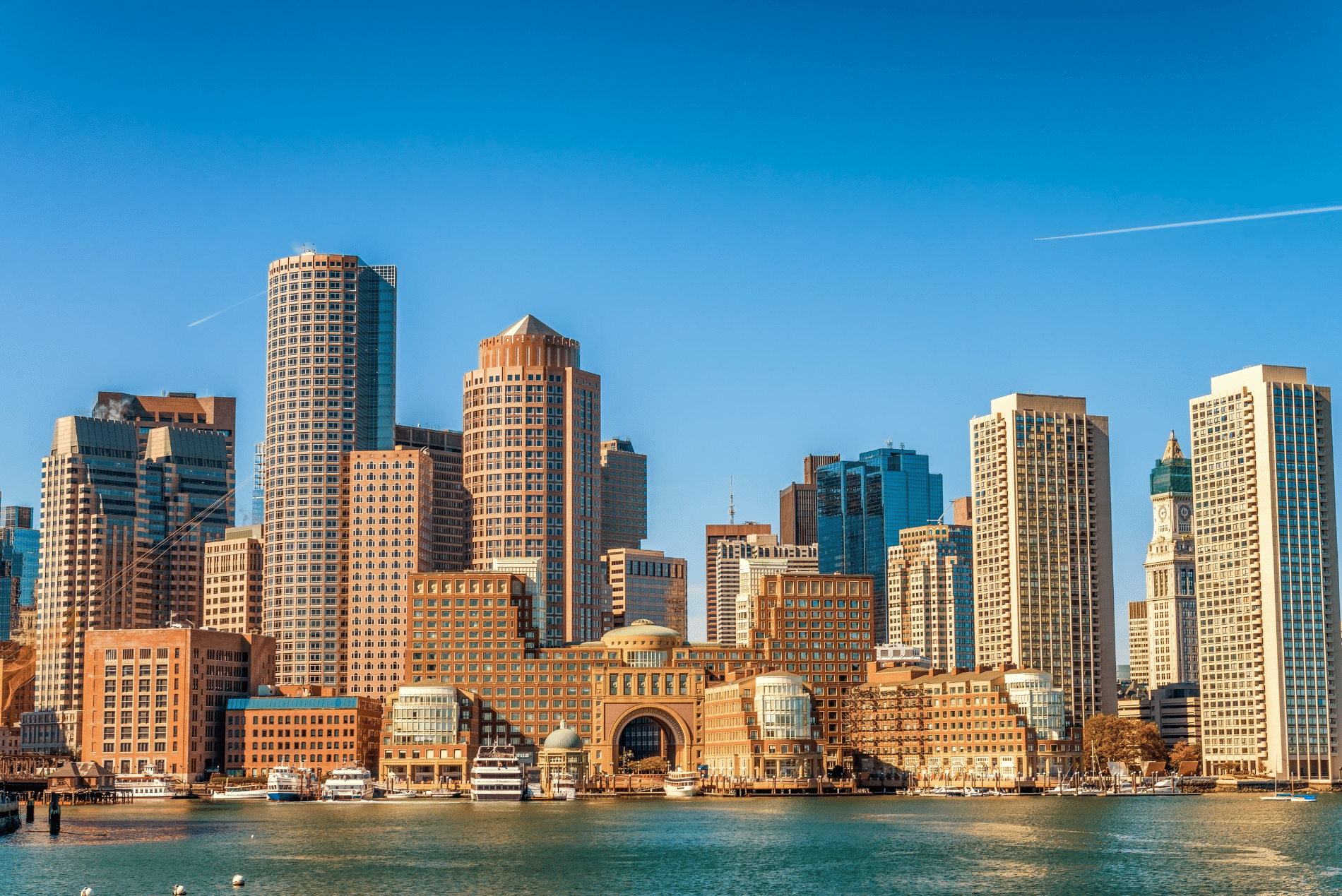
Long before modern democratic states codified rights to assembly, colonists facing taxation without representation staged a dramatic strike against corporate and imperial overreach. On December 16, 1773, members of the Sons of Liberty boarded three British ships in Boston Harbor and dumped 342 chests of tea into the water.
This event sits in a gray area of civil disobedience because it involved substantial property destruction rather than pure passive resistance. Yet it established a vital precedent: targeting the specific economic instrument of an unjust policy rather than attacking individuals. It transformed political grievance into an unignorable theatrical statement.
Thoreau and the Duty of Conscience
While the Boston Tea Party was a collective tactical strike, the intellectual foundation of nonviolent resistance was articulated decades later. In 1849, Henry David Thoreau published his essay Civil Disobedience following his imprisonment for refusing to pay a poll tax. Thoreau was protesting the institution of slavery and the Mexican-American War.
Thoreau argued that the government's demands could not supersede individual moral judgment. His core assertion was straightforward:
"The only obligation which I have a right to assume is to do at any time what I think right."
By refusing to pay the tax and accepting jail time, Thoreau demonstrated that personal sacrifice anchors political dissent. His writings later traveled across the globe, inspiring figures like Mahatma Gandhi during the Indian independence movement.
The Civil Rights Era: Institutionalizing Nonviolence
The mid-20th-century American Civil Rights Movement refined civil disobedience into a disciplined, mass-mobilized strategy. Leaders like Martin Luther King Jr. merged Thoreau's individual moral stance with Gandhi's methodology of mass nonviolent confrontation.
During the 1963 Birmingham campaign, activists deliberately violated court injunctions against marches and staging sit-ins at segregated lunch counters. They did not hide their actions; they filled local jails to capacity. In his Letter from Birmingham Jail, King clarified the distinction between laws: an individual has a moral obligation to obey just laws but an equally compelling moral responsibility to disobey unjust laws openly, lovingly, and with a willingness to accept the penalty.
This tactical transparency exposed the violent overreach of segregationist law enforcement. Broadcasted images of police dogs and fire hoses shifted national public opinion and accelerated legislative reform, culminating in the Civil Rights Act of 1964.
Modern Climate Direct Action: The Pipeline Protests
As political struggles shifted toward global systemic challenges, civil disobedience adapted to confront corporate and environmental threats. Modern climate activism frequently targets infrastructure—such as oil pipelines—using bodily obstruction and occupation.
Movements opposing projects like the Keystone XL or Dakota Access pipelines utilized camps, road blockades, and locking down to heavy machinery. Unlike the Boston Tea Party's destruction of property, contemporary climate blockades prioritize nonviolent disruption of operations. Activists place their physical bodies in the path of construction, accepting arrest to draw media attention to carbon lock-in and indigenous land rights.
This evolution highlights a core strategic shift: modern civil disobedience often targets corporate supply chains and infrastructure financing, recognizing that state power is frequently intertwined with transnational corporate interests.
Common Misconceptions About Dissent
Public debates surrounding direct action often get clouded by misconceptions regarding what dissent entails and how it functions within a legal framework.
- Conflating Disobedience with Rioting: Civil disobedience requires discipline, organization, and strict nonviolence. Rioting involves chaotic destruction and lack of accountability, which invalidates the moral appeal core to principled disobedience.
- Assuming Protesters Want to Overthrow the System: Most civil disobedients operate from within the system. They break a specific law precisely because they respect the broader legal order and wish to reform a flawed component of it.
- Expecting Immediate Legal Immunity: True civil disobedience anticipates punishment. Escaping accountability turns the act into evasion rather than a conscientious appeal to justice.
Frequently Asked Questions
Is civil disobedience legally protected?
No. By definition, civil disobedience involves breaking an existing law. While freedom of speech and assembly are constitutionally protected, intentionally violating a statute or injunction carries legal penalties that participants expect to face.
How does civil disobedience differ from protest?
Standard protests—such as authorized rallies, petition drives, and permitted marches—operate entirely within legal boundaries. Civil disobedience crosses the line into illegality by intentionally breaking a specific law to draw attention to a broader injustice.
Does property destruction always invalidate civil disobedience?
Historically, actions like the Boston Tea Party involved property damage. However, modern ethical and tactical frameworks overwhelmingly favor strict nonviolence because damaging property frequently alienates public support and shifts the narrative away from the core political message.
What makes an act of civil disobedience successful?
Success relies on clarity of message, moral contrast, and public reaction. When authorities respond with disproportionate force to peaceful, disciplined lawbreaking, it exposes systemic flaws and pressures the majority to reconsider its stance.



