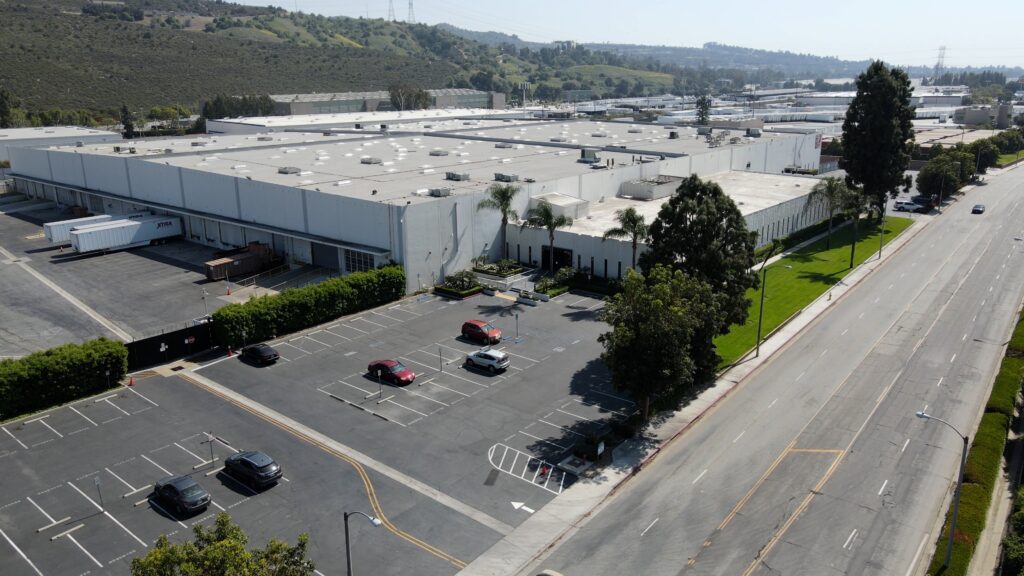
Inside the Southern California Logistics Engine
If you trace the path of container goods moving inland from the ports of Los Angeles and Long Beach, you'll inevitably hit a massive concentration of warehouses, fulfillment hubs, and freight yards. At the heart of this network sits the City of Industry, a unique municipality built almost entirely for manufacturing, commerce, and distribution. With over three thousand businesses driving regional trade, this area functions as a primary gear in American supply chain operations.
Logistics managers, commercial real estate developers, and freight operators rely on this submarket because of its strategic proximity to major interstate corridors and intermodal rail yards. Understanding how these facilities operate reveals the operational blueprint behind modern West Coast distribution.
Geography and Infrastructure Advantages
The local warehousing ecosystem thrives because of its location relative to major transportation nodes. Situated roughly twenty miles east of downtown Los Angeles within the San Gabriel Valley, the municipality provides direct access to the Pomona Freeway (State Route 60) and the San Bernardino Freeway (Interstate 10).
These corridors link directly to the Alameda Corridor, a trench railway system that moves cargo containers quickly from the San Pedro Bay ports directly to inland freight depots. Fleet managers value this setup because trucks can pick up maritime containers, clear regional traffic bottlenecks, and return to docks for second turns within a single shift.
Key Transport Corridors
- State Route 60: Cuts straight through the industrial zone, connecting eastern Riverside County to downtown Los Angeles.
- Interstate 605: Runs north-south just west of the area, linking distribution hubs to Orange County ports and northern distribution paths.
- Interstate 10: Provides an immediate transcontinental shipping route eastward toward Phoenix, Dallas, and beyond.
Facility Layouts and Modern Warehouse Specs
Distribution centers here aren't just large metal sheds; they are high-throughput operational facilities engineered for speed. A typical modern property in the 91715 or adjacent ZIP codes features clear heights ranging from thirty to forty feet, allowing high-density vertical racking for palletized inventory.
Floor plans often incorporate cross-dock configurations. Trucks back up to loading doors on opposite sides of the building, where inbound bulk shipments are immediately sorted, scanned, and reloaded onto smaller delivery fleets without long-term storage stays.
Core Architectural Features
- Clear Heights: Modern builds exceed 32 feet to maximize cubic storage capacity.
- Yard Space: Deep truck courts provide turning radiuses for 53-foot dry vans and intermodal chassis.
- Dock Doors: High door-to-floor-area ratios ensure that high-volume fulfillment operations don't experience bottlenecks during shift changes.
Third-Party Logistics and Inventory Management
Most facilities operating in the San Gabriel Valley industrial cluster function as third-party logistics hubs. Brands rent space within multi-tenant complexes or lease entire buildings to manage seasonal inventory surges.
Inventory software integrates directly with automated conveyor belts, optical barcode scanners, and pick-to-light systems. When an online shopper places an order anywhere in the Western United States, stock stored in these facilities can be picked, packed, and labeled within hours, tapping into regional parcel hubs operated by major carriers.
Labor Force Dynamics and Operations
Running a massive distribution network requires a steady supply of skilled labor, equipment operators, and logistics supervisors. Because the permanent residential population of the municipality is tiny, workers commute daily from surrounding San Gabriel Valley communities like Hacienda Heights, Rowland Heights, West Covina, and Whittier.
Training programs focus heavily on material handling equipment safety, forklift certifications, and warehouse management system software proficiency. Shift structures typically run around the clock, especially during peak retail shipping seasons in the autumn months, ensuring that supply chains never truly pause.
Common Operational Bottlenecks
Even with optimized real estate, running a major distribution point comes with distinct challenges. Fleet managers and warehouse directors frequently navigate traffic congestion during peak morning and afternoon commuter windows along State Route 60.
Another constant challenge is yard management. When import volume spikes due to holiday inventory pushes or container surges at the ports, truck queues can back up onto public streets, leading to municipal citations and delayed appointments. Implementing strict dock-appointment software helps mitigate these staging delays.
Frequently Asked Questions
Why is this area so popular for distribution centers?
Its central location in the San Gabriel Valley, combined with direct freeway access and close proximity to the Ports of Los Angeles and Long Beach, makes it an ideal staging ground for goods entering the U.S. market.
What types of businesses operate in these facilities?
You'll find third-party logistics providers, apparel wholesalers, electronics importers, food distributors, and e-commerce fulfillment operations.
How do warehouses handle peak shipping seasons?
Operators scale up temporary staffing, extend operating hours to 24/7 schedules, and utilize off-site container yards to prevent property congestion.
What size are the typical industrial buildings here?
Facilities range drastically, from smaller 50,000-square-foot multi-tenant spaces up massive regional distribution hubs exceeding 500,000 square feet.



