City Island feels like a New England fishing village dropped quietly into the corner of New York City. Connected to the Bronx mainland by a single iron drawbridge, this 1.5-mile-long island operates at a slower, salt-sprayed tempo that contrasts sharply with the frantic energy of the surrounding boroughs. If you're looking for a nautical escape without leaving city limits, you'll find narrow streets lined with Victorian homes, historic shipyards, and waterfront seafood shacks that have served fresh catches for generations.
Understanding this enclave requires looking past standard tourist brochures. While day-trippers flood the main strip every weekend for lobster rolls, year-round residents protect a tight-knit community anchored by maritime traditions, fierce local independence, and unique geographic challenges. Whether you're planning a weekend afternoon or considering a move to the Bronx waterfront, this guide breaks down everything you need to know about navigating, eating, and living on City Island.
A Maritime History Rooted in Shipbuilding
Long before European settlers arrived, the Siwanoy native tribe fished and harvested oysters along the protected waters of Eastchester Bay and Long Island Sound. English settlers purchased the land in the 17th century, and by the 19th century, the island transformed into a booming hub for commercial oystering and wooden ship construction.
Master shipbuilders built clipper ships, yachts, and America's Cup contenders right on these shores. During World War II, local yards constructed minesweepers and rescue vessels for the military. You can still see echoes of this heritage at the City Island Nautical Museum, which preserves photographs, tools, and artifacts detailing the island's proud seafaring past.
Housing, Architecture, and Real Estate Realities
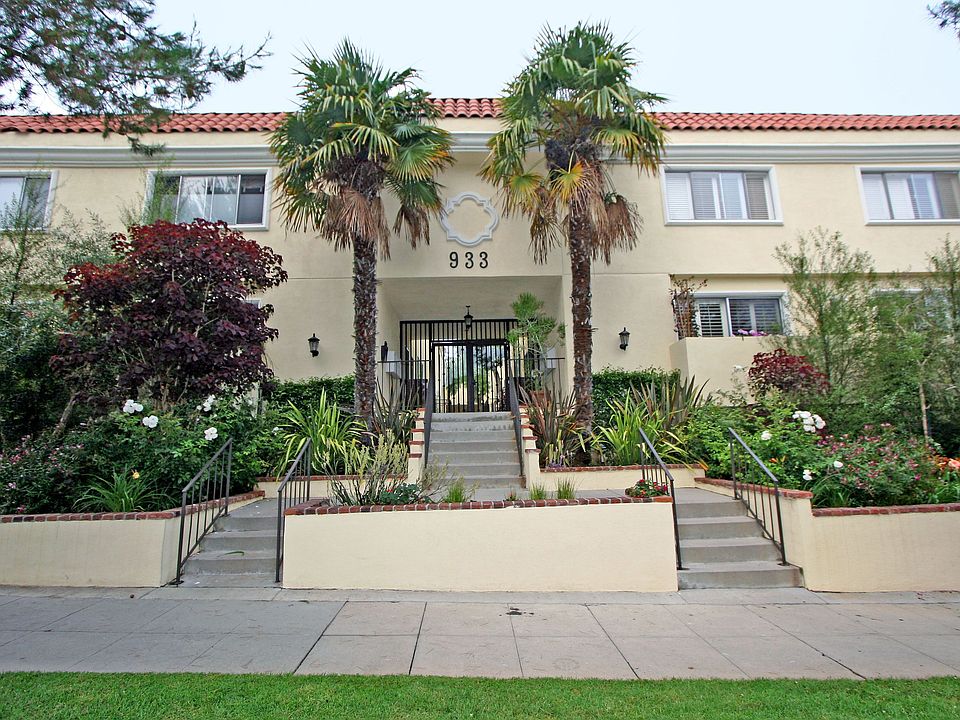
Housing stock on City Island differs wildly from the high-rises and brick apartment blocks typical of the rest of the Bronx. Architectural styles span the decades, featuring ornate Victorian-era captain's homes, classic saltbox cottages, and modern waterfront townhouses.
Properties directly facing the water command steep prices, while homes tucked further inland offer slightly more accessible entry points for buyers. If you're house hunting here, keep a few local nuances in mind:
- Strict zoning laws: The community fights hard to preserve its low-rise residential character, meaning massive commercial development is heavily restricted.
- Historic preservation: Many older homes carry deep local history, requiring patience and specialized care for renovations.
- Limited inventory: Properties rarely hit the market, as many families stay for generations.
Getting There and Navigating the Island
Transportation is the island's most defining logistical quirk. Because a single drawbridge connects City Island Avenue to Pelham Bay Park on the mainland, traffic bottlenecks can happen during peak summer weekends or when the bridge opens for tall boats.
For public transit users, the journey requires a combination of subway and bus. You can take the 6 train to its final stop at Pelham Bay Park, then transfer to the Bx29 bus, which runs the entire length of City Island Avenue. Drivers take the Hutchinson River Parkway or Interstate 95, exiting toward Pelham Bay and crossing the bridge. Once you arrive, the best way to explore is on foot—the entire island is easily walkable, and narrow residential side streets invite quiet strolls.
The Iconic Seafood Scene and Local Eats
Food drives the island's tourism economy. City Island Avenue acts as the main artery, flanked by historic seafood restaurants, casual clam bars, and upscale waterfront dining rooms.
The culinary identity centers squarely on fresh catches from the Long Island Sound and Atlantic. Classic spots like The Lobster Box and local favorites serve up massive platters of fried calamari, steamed lobsters, and clam chowder with sweeping views of passing sailboats. Beyond the seafood spots, you'll find local bakeries, Italian ice stands, and small cafes where neighbors catch up on local gossip every morning.
Parks, Recreation, and Outdoor Life
Life on City Island revolves around the water. Sailing, kayaking, and fishing dominate weekend schedules for locals and visitors alike. Several active yacht clubs, including the historic Harlem River Yacht Club, line the shorelines and offer docking facilities and community regattas.
For land-based recreation, you can visit local green spaces like Davenport Park at the island's entrance, which offers scenic benches overlooking the water and a bronze anchor monument dedicated to local mariners. Birdwatchers also frequent the perimeter edges during migration seasons, as the island sits directly along major coastal flyways.
Frequently Asked Questions
Is City Island safe for visitors and new residents?
Yes. City Island maintains some of the lowest crime rates in the entire borough. The close-knit community and single access point create a quiet, secure environment where neighbors routinely look out for one another.
Can you take the subway directly to City Island?
No. The NYC subway system does not reach the island. You must take the 6 train to Pelham Bay Park and switch to the Bx29 bus, or drive across the single connecting bridge.
Are there public beaches on City Island?
There are no designated swimming beaches directly on City Island. However, massive Orchard Beach and Pelham Bay Park sit just minutes away on the mainland side of the bridge.
Is City Island part of the Bronx?
Yes, it is legally and geographically part of the Bronx within New York City, though its isolated peninsula layout gives it the distinct feel of an independent coastal town.



