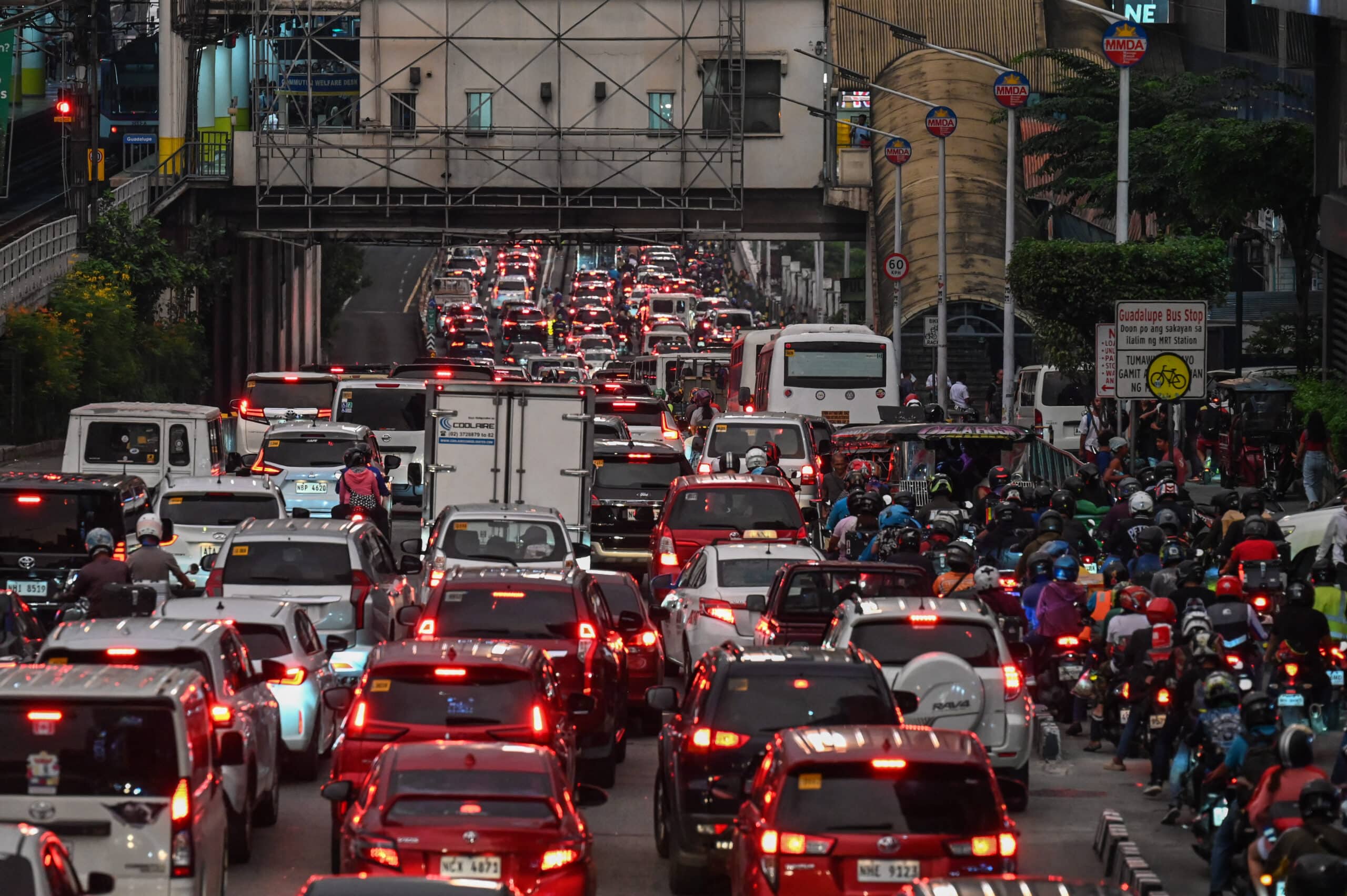
Most drivers gun it down Interstate 4, white-knuckling the steering wheel between theme parks and Gulf Coast beaches. They treat the 85-mile stretch separating Tampa and Orlando as dead space, a highway corridor to endure rather than explore. That routine rush means missing the actual character of Central Florida. The towns sitting right between these two major metros hold quiet lakes, historic districts, and roadside oddities that outshine the highway concrete.
Leaving the interstate grid behind reveals a string of communities defined by agriculture, Victorian architecture, and preserved wetlands. Whether you're planning a full day out or breaking up a longer transit across the state, this corridor offers plenty of reasons to pull off the exit ramp.
Lakeland: Lakes, Swans, and Mid-Century Modernism
Lakeland sits roughly halfway between the two metro areas, making it the most practical anchor for any trip off the highway. It gets its name from the 38 named lakes within city limits, but the town is famous for its descendants of royal swans originally sent by Queen Elizabeth II.
Lake Mirror serves as the civic heart of the city. A neoclassical promenade wraps the water, leading directly into Hollis Garden, a terraced public garden filled with thousands of flowers, ornamental shrubs, and fountains. It's a quiet place to walk that feels miles away from the heavy traffic of Interstate 4.
Just a few minutes away on the campus of Florida Southern College, architecture fans can tour the largest single-site collection of Frank Lloyd Wright structures in the world. Known as "Child of the Sun," these striking buildings feature organic textile blocks and integrated water features designed to blend into the Florida landscape.
Nature and Wetlands Just Outside Town
For a wilder side of Lakeland, head northeast to the Circle B Bar Reserve. Once a cattle ranch, these restored Polk County wetlands now protect thousands of acres of marshland and oak hammocks. Alligators, bald eagles, and wading birds thrive here along dirt trails that hug the water. It's completely free to enter, though you'll want to arrive early in the morning when the wildlife is most active and the Central Florida heat is manageable.
Plant City: Strawberries and Historic Rails
Moving west toward the coast brings you to Plant City, named after railroad tycoon Henry B. Plant rather than agriculture, though farming defines its modern identity. Known as the Winter Strawberry Capital of the World, this town centers its entire calendar around the berry harvest.
No stop here is complete without visiting Parkesdale Farm Market. Operating for decades, it's a legendary roadside stop where visitors line up for massive strawberry shortcakes piled high with whipped cream and cold strawberry milkshakes.
Beyond the farm stands, Plant City holds a rich railway history. The Robert W. Willaford Railroad Museum preserves vintage train cars and local rail history near a downtown brick district filled with antique shops and local diners. If you're traveling with kids or looking for pure roadside nostalgia, Dinosaur World sits right off the highway, featuring hundreds of life-size fiberglass dinosaurs tucked into a shaded, wooded trail system.
Polk City and the Ridge Communities
North of the main I-4 artery, smaller communities like Polk City offer a glimpse into old-school Florida geography, where rolling hills replace the state's typical flat terrain.
Outdoor enthusiasts often use this area to access the Van Fleet State Trail, a paved 29-mile rail-trail that cuts straight through the Green Swamp Wilderness Preserve. It's entirely devoid of commercial development, offering an uninterrupted path through pine flatwoods, cattle ranches, and cypress swamps where wild turkeys and deer frequently cross.
For aviation enthusiasts, Polk City historically hosted unique transport museums, and local backroads still provide a scenic, low-stress alternative to the interstate system for drivers who prefer canopy drives over concrete overpasses.
Choosing Your Route: Interstate 4 vs. U.S. Route 92
How you experience these hidden gems depends entirely on which road you choose.
- Interstate 4: This is the fast track. It connects Tampa and Orlando in roughly an hour and fifteen minutes without traffic, but bottlenecks are common. Use it only when you need speed and rely on quick exits for specific destinations like Lakeland.
- U.S. Route 92: This historic highway runs parallel to the interstate, cutting directly through the center of Plant City, Auburndale, and Lakeland. It features traffic lights and local speed limits, but it trades highway noise for historic storefronts, shaded oak canopies, and independent roadside diners.
Taking the slower route changes the entire nature of the drive. Instead of staring at taillights, you get a genuine look at the towns that built Central Florida's interior long before the theme parks arrived.
Frequently Asked Questions
How long does it take to drive straight from Tampa to Orlando?
Without traffic, the direct drive on Interstate 4 takes about one hour and fifteen minutes. However, heavy commuter volume and accidents frequently stretch that time significantly, making alternative local routes worth considering during peak hours.
Are these towns safe for family day trips?
Yes. Communities like Lakeland, Plant City, and Winter Haven feature walkable downtown districts, family-friendly parks, and robust local infrastructure that make them ideal for casual daytime exploration.
What is the best time of year to visit Central Florida's interior?
Late fall through early spring offers the most comfortable weather for outdoor activities, with lower humidity and temperatures hovering in the 70s and 80s. This period also coincides with the local strawberry harvest in Plant City.
Do I need to pay for parking at places like Circle B Bar Reserve?
No. Major natural areas and parks managed by Polk County, such as the Circle B Bar Reserve and local lakeside parks in Lakeland, offer free public admission and parking.



