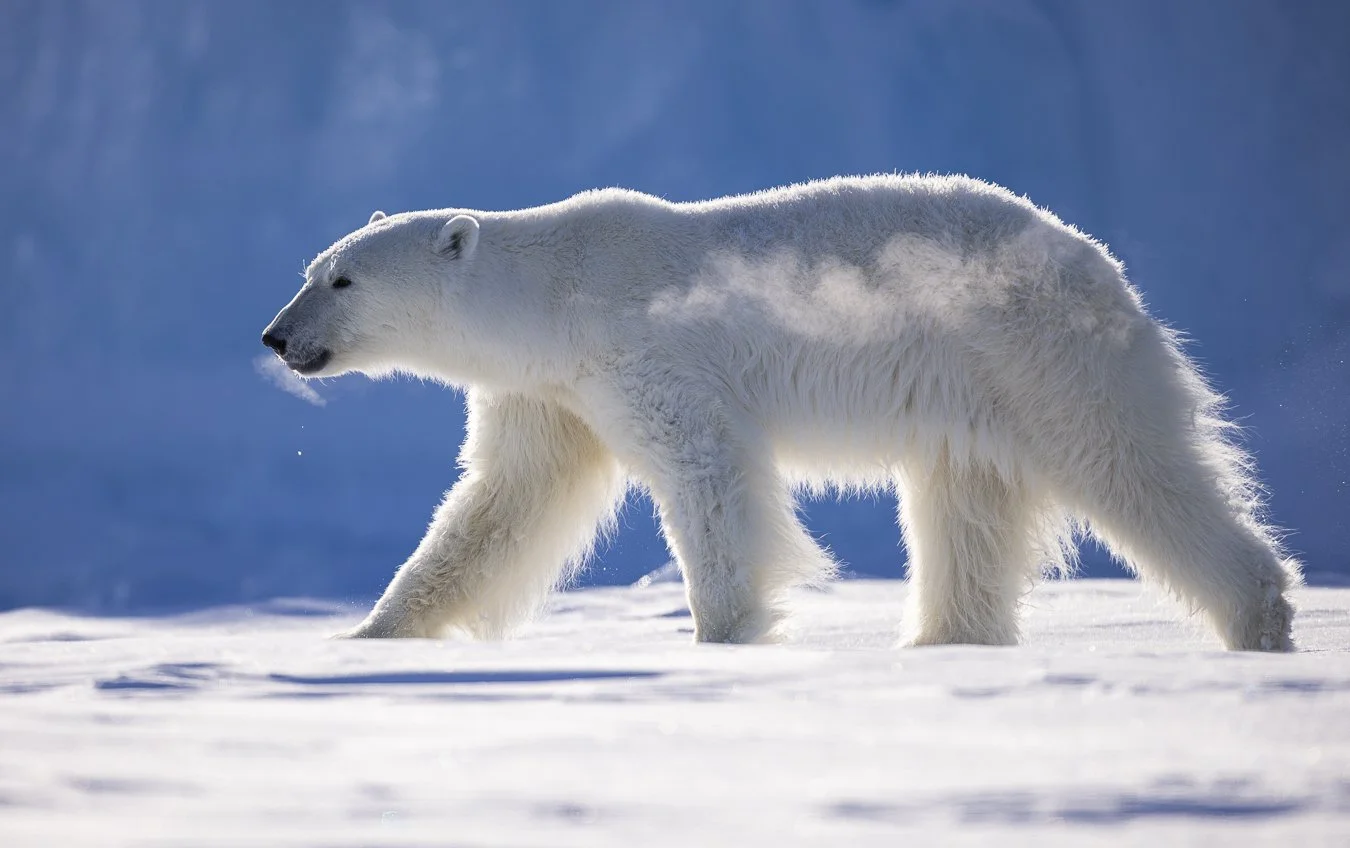
Nestled on the western shores of Hudson Bay, the remote town of Churchill, Manitoba sits directly on a major polar bear migration corridor. Each autumn, hundreds of apex predators gather near the coastline, waiting patiently for the sea ice to freeze so they can hunt seals. This geographic reality creates frequent, high-stakes encounters between humans and hungry carnivores. To prevent fatal conflicts, Manitoba operates a specialized holding facility colloquially known as the polar bear jail—a secure detention center designed to temporarily house problem bears before they can be safely returned to the wild.
Before this facility opened its doors in the early 1980s, wildlife officers had few options when a bear repeatedly wandered into town looking for food. Troubled animals were routinely shot and killed to protect human lives. The establishment of the holding facility shifted the paradigm toward non-lethal conservation, offering a humane solution that prioritizes public safety while giving healthy bears a second chance at survival in their natural Arctic habitat.
Understanding the Facility and Its Purpose
The official Polar Bear Holding Facility is located in a converted former military hangar situated a short distance outside of Churchill. Originally built with around 20 individual cells, the compound was expanded to 28 cells to accommodate larger numbers of visiting wildlife during particularly lean or extended ice-free seasons.
Each cell is constructed from heavy-duty cinder blocks with solid metal doors and steel bar ceilings designed to withstand the immense physical strength of a mature adult male polar bear. The interior remains intentionally bare and cool, minimizing human contact and encouraging the animals to rest. Conservation officers purposefully limit interaction so that the bears don't become habituated to humans, ensuring they retain their natural fear of people upon release.
The Capture and Incarceration Process
Managing problem wildlife requires a rapid, coordinated response from Manitoba Conservation officers who patrol the town perimeter. When a bear crosses municipal boundaries, ignores deterrents like rubber bullets or cracker shells, and starts breaking into buildings or rummaging through residential yards, it becomes a candidate for the facility.
- Darting and Immobilization: Officers safely tranquilize the bear from a secure vehicle to neutralize immediate danger.
- Data Collection: Once immobilized, the bear is weighed, measured from nose to tail, and examined by wildlife specialists.
- Identification: Officers apply an ear tag and give the bear a lip tattoo. Tattoos serve as a reliable backup identifier because bears frequently lose plastic ear tags during territorial fights.
- Transport: The sedated animal is hoisted into a specialized truck or transport sling and driven out to the holding facility.
Inmates stay in the facility for up to 30 days, or until meteorological conditions change. Because bears naturally fast on land while waiting for sea ice to form, the holding period mirrors the physiological fasting state they would experience in the wild. They receive fresh water but little to no food, which discourages them from associating captivity with regular meals.
Release Day and Relocation
The ultimate goal of the Churchill holding facility is temporary safekeeping, not permanent imprisonment. As winter approaches and temperatures drop, ice begins to form across Hudson Bay.
When the ice pack is stable enough to support their weight, the detained bears are prepared for freedom. Officers tranquilize the animals once more, load them into cargo nets suspended beneath helicopters, and transport them dozens of miles north away from human settlements. Upon waking, the bears find themselves right back on the newly formed sea ice where they can finally resume hunting seals.
Frequently Asked Questions
Do polar bears get punished or mistreated in the jail?
No. The facility exists strictly for public safety and bear conservation, not punishment. Officers provide water and maintain a cold, low-stress environment to keep the animals safe until they can be relocated.
How do local residents stay safe while bears are nearby?
Churchill residents practice constant vigilance during peak bear season. Many leave their car doors unlocked so pedestrians can quickly escape if a bear wanders down the street, and community members utilize Polar Bear Alert hotlines to report sightings instantly.
Are all problem bears sent to the holding facility?
Not always. Officers first attempt non-lethal hazing methods such as loud noises, vehicle pressure, and rubber projectiles to scare bears away from town. Confinement in the facility is reserved for stubborn animals that repeatedly return or pose an immediate threat to human life.
Can tourists visit the polar bear jail?
Tourists can view the exterior of the compound from a safe distance during guided land tours, but the interior is strictly closed to the public to prevent stressing the animals and interfering with conservation operations.



