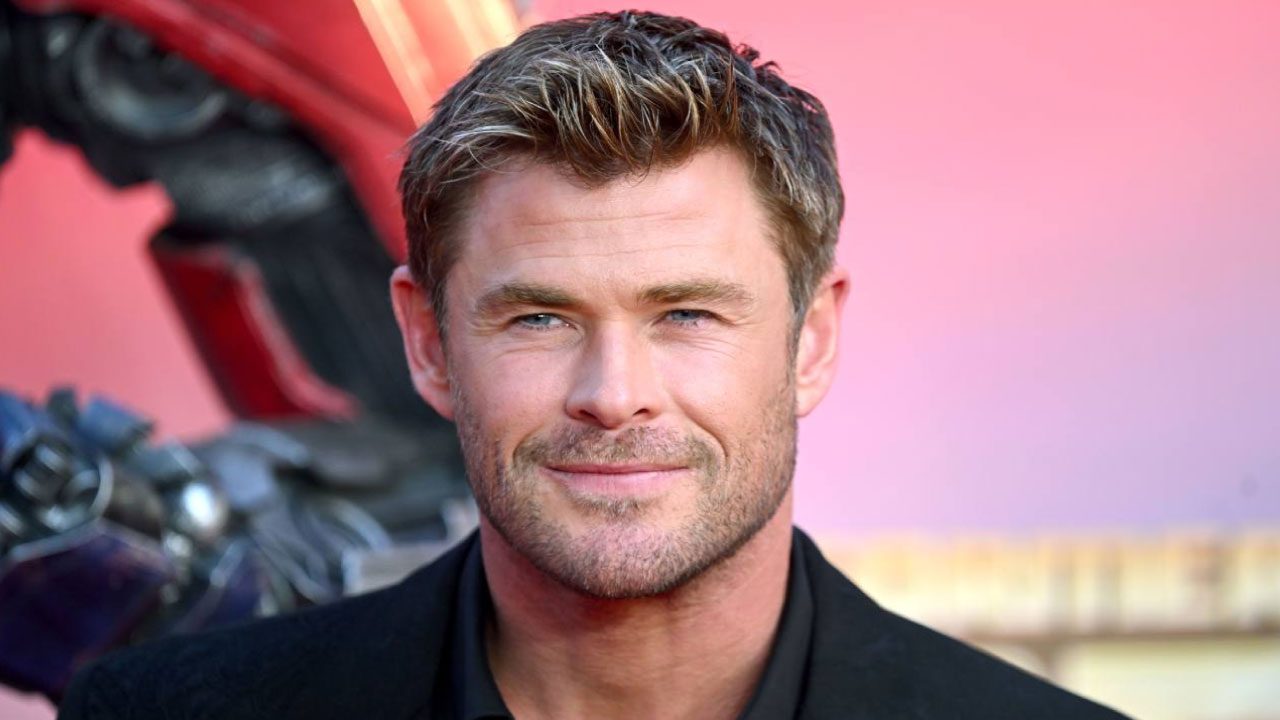
When public figures cross cultural boundaries, the digital reaction is swift and polarized. Actor Chris Pratt faced intense public scrutiny after posting messages offering prayers and support following the tragic death of conservative activist Charlie Kirk. This cultural flashpoint ignited intense online debates concerning intellectual freedom, public expression, and the responsibilities of prominent entertainers in modern sociopolitical discourse.
Rather than a formal, institutional partnership, the phrase "Chris Pratt and Charlie Kirk team up" reflects a symbolic alignment within public discourse. It highlights how Hollywood figures and conservative political commentators intersect around themes of free expression, religious values, and ideological tolerance. Understanding this dynamic requires looking closely at how public figures navigate polarization, what drives the backlash, and how modern audiences consume cultural commentary.
The Roots of the Cultural Flashpoint
The intersection of Hollywood celebrity culture and conservative activism rarely occurs without friction. When public figures step outside expected political scripts, the tension exposes deep fractures in public communication.
- Celebrity Expectations: Modern audiences often expect mainstream actors to remain politically neutral or aligned with progressive norms.
- Ideological Divergence: Commentators who challenge institutional orthodoxies draw both fierce loyalty and severe condemnation.
- Digital Amplification: Social media algorithms reward outrage, turning individual expressions of grief or support into multi-day national controversies.
When Pratt posted his supportive message, it triggered immediate demands for boycotts from critics, countered by fierce defense from supporters who praised him for defying industry uniformity. This polarization illustrates why discussions around intellectual freedom remain central to contemporary media studies. For another perspective on this event, check out the latest coverage from Reuters.
Intellectual Freedom in Modern Media
Intellectual freedom encompasses the right of individuals to hold, express, and debate ideas without censorship or professional retaliation. In recent years, this concept has become a central battleground across university campuses, corporate boardrooms, and entertainment studios.
Critics of current cultural trends argue that ideological conformity stifles creativity and honest dialogue. They contend that public figures should be free to express personal beliefs without risking their careers. Conversely, opponents argue that free speech does not shield public figures from social consequences, consumer choice, or reputational damage.
"The debate over public expression often exposes a paradox: individuals demand the freedom to speak while simultaneously attempting to restrict the platform of those with whom they disagree."
Navigating this landscape requires distinguishing between legal protections and cultural norms. While the First Amendment protects citizens from government censorship, private platforms and employers operate under different standards. This distinction fuels ongoing friction across social networks.
Media Reactions and Public Polarization
The public reaction to the connection between mainstream entertainment and conservative commentary reveals distinct patterns in how audiences process news.
- Immediate Backlash: Critics quickly point out perceived double standards in how public figures select tragedies to highlight or ignore.
- Counter-Mobilization: Supporters frame these moments as tests of courage, praising figures who swim against cultural tides.
- Industry Impact: Studios and agencies often monitor public sentiment closely, balancing commercial interests against vocal online factions.
This cycle repeats with predictable regularity across various cultural touchpoints. For a broader perspective on how media organizations report on cultural shifts, you can review guidelines from the Society of Professional Journalists. Additional context on historical protections for expression is available via the American Civil Liberties Union.
Frequently Asked Questions
What sparked the online discussion linking Chris Pratt and Charlie Kirk?
The discussion intensified after Chris Pratt posted public statements expressing condolences and support following the death of Charlie Kirk, which drew both sharp criticism and strong defense across social platforms.
Is there an official educational partnership between them?
No. Despite phrasing found in some online commentary, there is no institutional alliance or joint educational program. The connection is symbolic, representing an intersection of celebrity influence and conservative political activism.
Why do celebrity statements on political figures generate such intense backlash?
Audiences project their own values onto prominent entertainers. When a star breaks expected ideological molds, it triggers strong reactions from both supporters who view it as authenticity and critics who view it as a betrayal of shared norms.
How does intellectual freedom apply to public figures?
While public figures retain legal rights to express personal views, they operate within a commercial ecosystem where public approval heavily influences career opportunities and brand partnerships.


