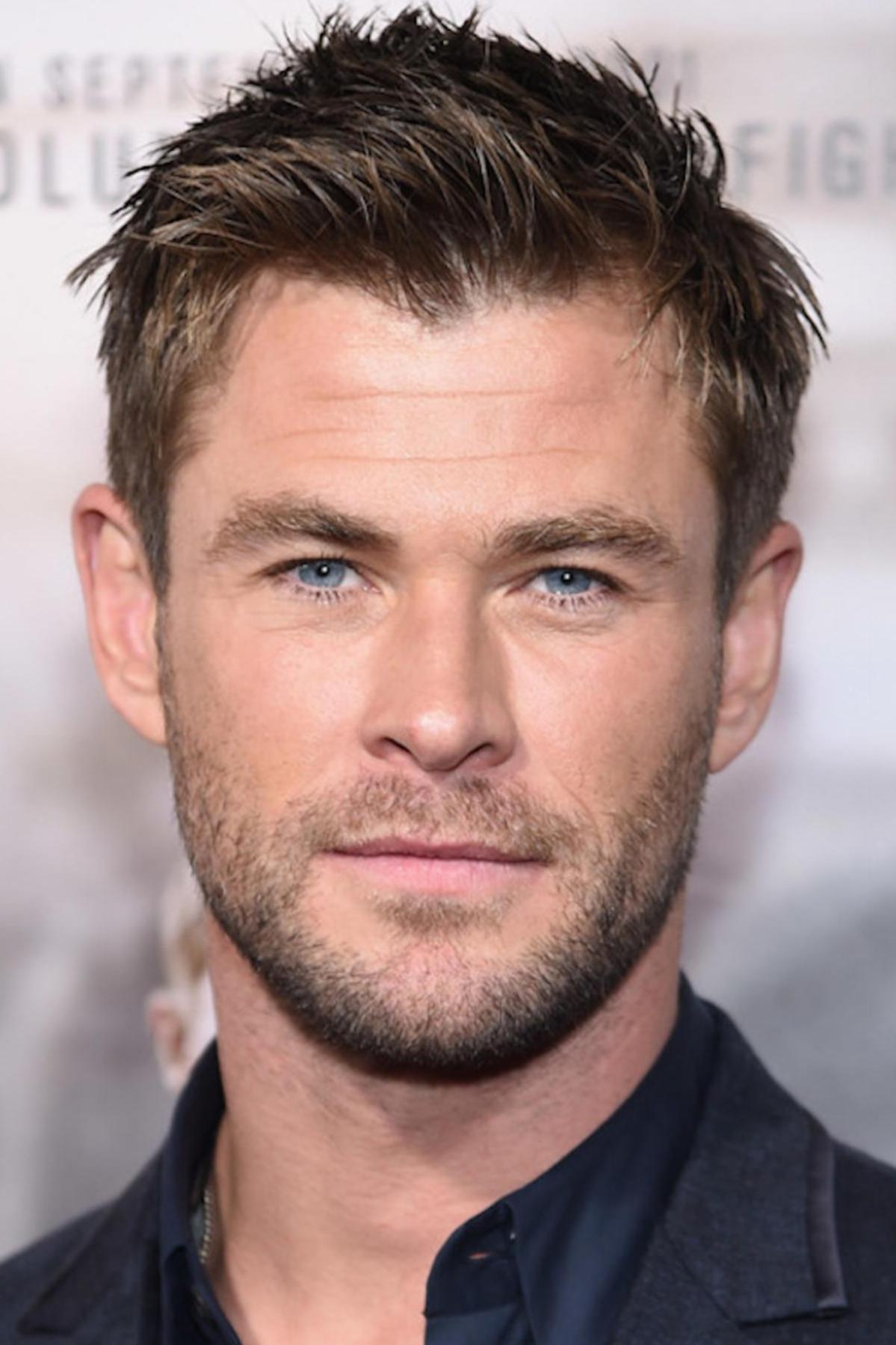
Chris Kyle served as a U.S. Navy SEAL and became known in military history as the most prolific sniper in American service. Operating across four separate deployments during the Iraq War, he recorded a significant number of combat engagements while providing overwatch protection for ground troops. His life, post-military career, and subsequent death sparked widespread cultural discussions about modern warfare, veteran reintegration, and the complexities surrounding military legends.
Understanding his trajectory requires looking past Hollywood depictions to examine his upbringing, specific operational record, post-service advocacy, and the controversies that shadowed his later years.
Early Life and Path to the SEALs
Born on April 8, 1974, in Odessa, Texas, Kyle grew up hunting deer and quail with his father on rural ranches. Before joining the military, he worked as a professional rodeo cowboy and ranch hand. A severe bucking horse injury abruptly ended his rodeo career, prompting him to visit a military recruiter.
While he initially intended to join the Marine Corps, a recruiter steered him toward the U.S. Navy. He successfully completed Basic Underwater Demolition/SEAL (BUD/S) training, earning his Trident in 2001 as part of Class 233. Assigned to SEAL Team 3, Charlie Platoon, he transitioned into a sniper role, mastering long-range marksmanship under demanding tactical conditions.
Deployment History and Combat Record
Kyle completed four distinct combat tours between 2003 and 2009, participating in major operations throughout Iraq.
- The Initial Invasion (2003): Deployed to Nasiriya, where his team provided rooftop security for advancing Marine units. During this tour, he recorded his first long-range engagement, neutralizing an insurgent approaching Marines with a grenade.
- The Second Battle of Fallujah (2004): Operated in intense urban combat environments, clearing houses and providing precision support for infantry sweeps.
- The Battle of Ramadi (2006): Spent months embedded in hostile sectors, earning the nickname "The Devil of Ramadi" from insurgents who placed a bounty on his head. During this four-month rotation alone, he accounted for dozens of engagements.
- Final Tour (2008): Concluded his active-duty deployments in Baghdad and surrounding provinces, executing a notable long-distance shot against an insurgent armed with a rocket-propelled grenade launcher.
Official documentation credited him with 160 confirmed kills, though unconfirmed estimates ran higher. For his valor in combat, he received the Silver Star and multiple Bronze Star Medals with "V" devices. Subsequent internal Navy reviews later adjusted certain medal counts due to administrative record discrepancies, but his operational status within SEAL Team 3 remained well-documented.
Transition to Civilian Life and Veteran Advocacy
Upon leaving active duty as a Chief Petty Officer in 2009, Kyle settled in Midlothian, Texas, with his wife, Taya, and their two children. He co-founded Craft International, a private tactical training firm catering to military and law enforcement personnel.
He dedicated much of his post-military life to addressing combat trauma and post-traumatic stress disorder (PTSD) among returning service members. He partnered with the FITCO Cares Foundation, providing home gym equipment and physical fitness resources to disabled veterans.
In 2012, he published his memoir, American Sniper, which spent weeks atop the New York Times bestseller list and later inspired the Academy Award-winning feature film directed by Clint Eastwood.
Controversies and Public Scrutiny
While celebrated by many as a patriotic figure, Kyle faced substantial controversy regarding claims made in his book and subsequent media interviews.
- The Jesse Ventura Lawsuit: In his memoir, Kyle described an altercation with a former governor and Navy veteran in a California bar. He later explicitly identified former Minnesota Governor Jesse Ventura. Ventura denied the event occurred, filed a defamation lawsuit, and a federal jury ultimately awarded Ventura damages against Kyle's estate.
- Unverified Claims: Journalists and military analysts scrutinized several secondary anecdotes in his book, including uncorroborated accounts of shooting looters following Hurricane Katrina and stopping carjackers in Texas. These stories lacked official police reports or military documentation.
Tragic Death and Lasting Legacy
On February 2, 2013, Kyle and his friend Chad Littlefield were shot and killed at a shooting range near Chalk Mountain, Texas, by Eddie Ray Routh, a former Marine suffering from severe PTSD. Routh was convicted of capital murder in 2015 and sentenced to life imprisonment without parole.
Over 7,000 mourners attended his memorial service at AT&T Stadium in Arlington, Texas. His death intensified national conversations regarding the mental health challenges confronting combat veterans and the necessity of adequate support systems upon deployment completion.
Organizations such as the U.S. Department of Veterans Affairs continue to provide resources for service members navigating the transition back to civilian life. The Chris Kyle Frog Foundation, established by his widow Taya, works to provide retreats and counseling programs to help military and first-responder families heal from the strains of service.
Frequently Asked Questions
What weapon did Chris Kyle use most frequently?
During training, Kyle experimented with multiple rifle platforms. In active combat, he primarily relied on the Mk 11 sniper rifle for patrols, alongside a .300 Winchester Magnum bolt-action rifle for long-range precision engagements.
How many confirmed kills did Chris Kyle have?
The U.S. Navy officially credited him with 160 confirmed kills, making him the deadliest sniper in modern American military history. Military analysts note that "confirmed kills" require independent verification from witnesses on the battlefield, meaning actual engagements may have been higher.
What was the outcome of the legal dispute with Jesse Ventura?
Jesse Ventura sued Chris Kyle for defamation over an altered bar fight narrative published in American Sniper. A federal jury ruled in Ventura's favor, ordering financial restitution from Kyle's estate.
How did Chris Kyle die?
Kyle was killed on February 2, 2013, at the Rough Creek Lodge shooting range in Texas by a troubled Iraq War veteran whom Kyle was trying to mentor and assist through outdoor recreation.



