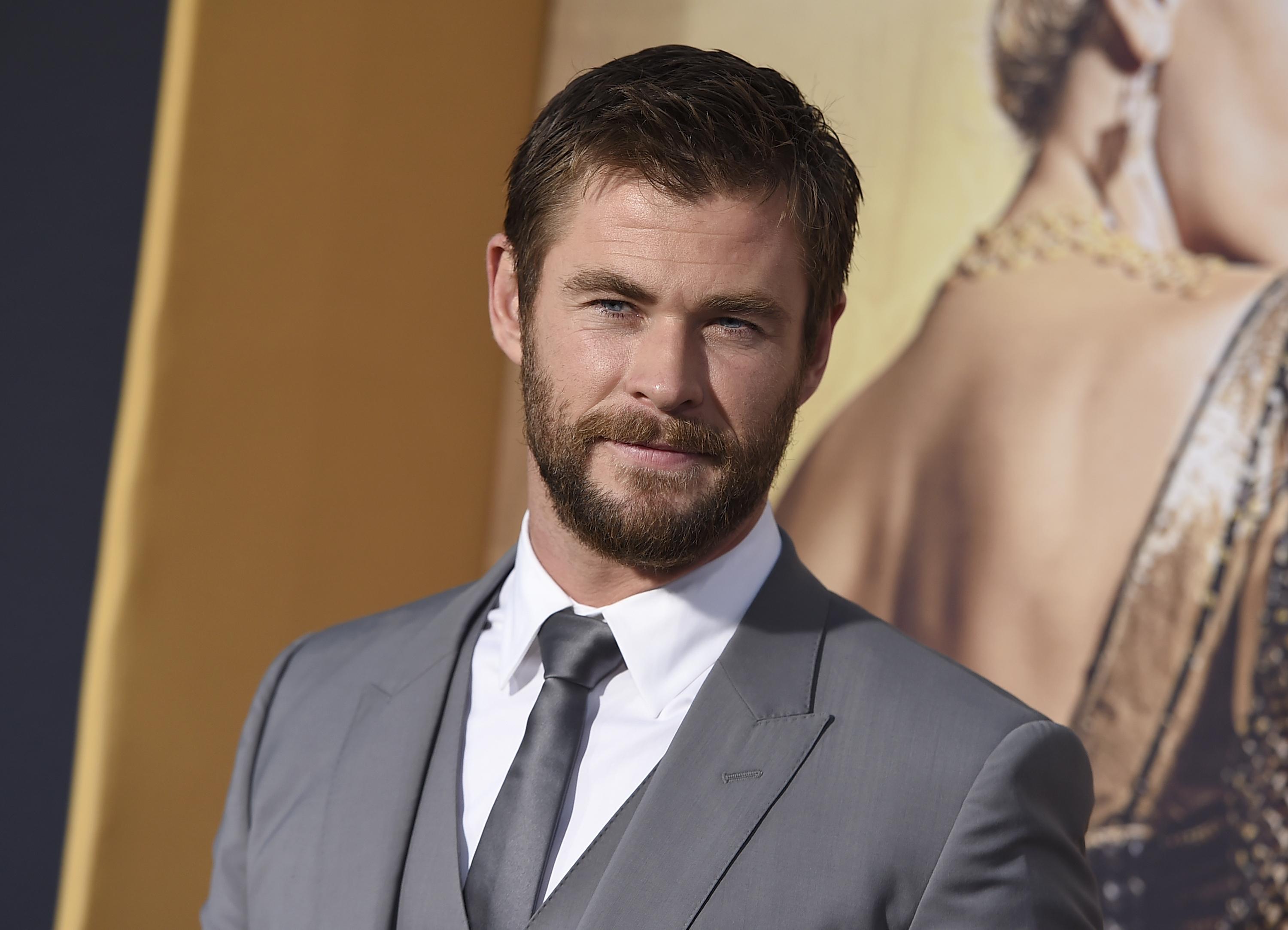
When people talk about Chris Isaak, they usually point straight to his signature high-register vibrato, the haunting chords of "Wicked Game", and his timeless rockabilly aesthetic. Internet rumors love to paint a picture of a tortured artist hiding dark secrets, but reality is far more grounded. Isaak didn't weather a hidden personal tragedy that shaped his sound; instead, he built a decades-long career through sheer work ethic, disciplined living, and an unyielding commitment to classic mid-century American pop.
Understanding the man behind the microphone requires separating sensational internet gossip from the actual trajectory of a working musician. His path wasn't defined by a mysterious downfall, but by a choice to place art above celebrity culture.
The Reality Behind the Persona
For years, tabloid-style pieces have tried to turn Isaak's quiet personal life into a brooding narrative. Yet, interviews with the artist reveal a remarkably practical approach to fame. Raised in a blue-collar family in Stockton, California, Isaak developed a strong work ethic long before he ever stepped onto a stage.
Unlike rock stars who lean heavily into chaotic lifestyles, Isaak has frequently joked that his longest-running relationship is with his backing band, Silvertone. He chose a path centered on touring, recording, and acting rather than chasing traditional domestic milestones. To understand the complete picture, we recommend the detailed article by The New York Times.
- The Work Ethic: Isaak spent his early years playing small clubs and writing songs that blended Bakersfield country with Elvis Presley-style rockabilly.
- The Single Focus: He noted in interviews that his professional ambitions always took precedence, leaving little room for conventional marriage or family.
- Health and Longevity: While rumors occasionally surface regarding sudden health scares, his career pauses have been minimal—most notably a brief tour cancellation due to severe pneumonia, rather than any chronic struggle.
Decoding the Sound: How "Wicked Game" Changed Everything
Released in 1989 on his platinum-certified album Forever Blue (though it gained massive traction later), "Wicked Game" didn't become a hit overnight. It took director David Lynch featuring an instrumental version in Wild at Heart, followed by Herb Ritts directing the iconic, rain-soaked music video featuring Helena Christensen, to propel the track into the mainstream.
Isaak's vocal delivery relies on a delicate balance between chest voice and a powerful falsetto. It's a technique that demands immense breath control. Far from a casual stylistic choice, his distinct tone emerged from years of listening to late-night radio broadcasts in his youth, absorbing everything from Roy Orbison to early blues records.
Key Elements of Isaak's Musical Style
- Minimalist Arrangements: Tracks often rely on sparse, reverb-heavy guitar lines courtesy of longtime collaborator James Calvin Wilsey.
- Lyrical Directness: Instead of relying on abstract poetry, Isaak writes straightforward, devastatingly honest narratives about heartbreak.
- Anachronistic Appeal: Refusing to chase modern production trends, he stuck to analog gear and vintage aesthetics when mainstream pop was shifting heavily toward synthesizers.
Navigating Fame, Film, and Television
Isaak's talents extend well past the recording studio. He carved out a notable secondary career as a character actor, appearing in gritty cult classics and mainstream hits alike. From his role as a SWAT commander in The Silence of the Lambs to working directly with David Lynch in Twin Peaks: Fire Walk with Me, he proved comfortable playing within dark, cinematic universes.
Later, he brought his natural wit to television by hosting The Chris Isaak Show, a cable sitcom that leaned into self-deprecating humor about the realities of being a moderately famous rock star living a surprisingly normal domestic life. This ability to laugh at himself dismantled any lingering mystique of the "tortured lonely soul" often projected onto him by fans.
Frequently Asked Questions
Did Chris Isaak ever get married?
No, Isaak is a lifelong bachelor. He has often stated that his intense touring and recording schedule left little space for a traditional family life, noting that his bandmates have been his most enduring companions.
Why did it take so long for "Wicked Game" to become a hit?
Although released in 1989, the song gained traction only after director David Lynch used it in his 1990 film Wild at Heart. Radio stations slowly picked up requests, and the cinematic music video turned it into an international chart success.
Is Chris Isaak still actively touring and recording?
Yes, he maintains a steady schedule of live performances, bringing his classic rockabilly sound to theaters and festivals worldwide.
What instruments does Chris Isaak play?
Isaak primarily plays acoustic and electric guitar, serving as the rhythm and lead guitarist alongside his longtime backing group, Silvertone.



