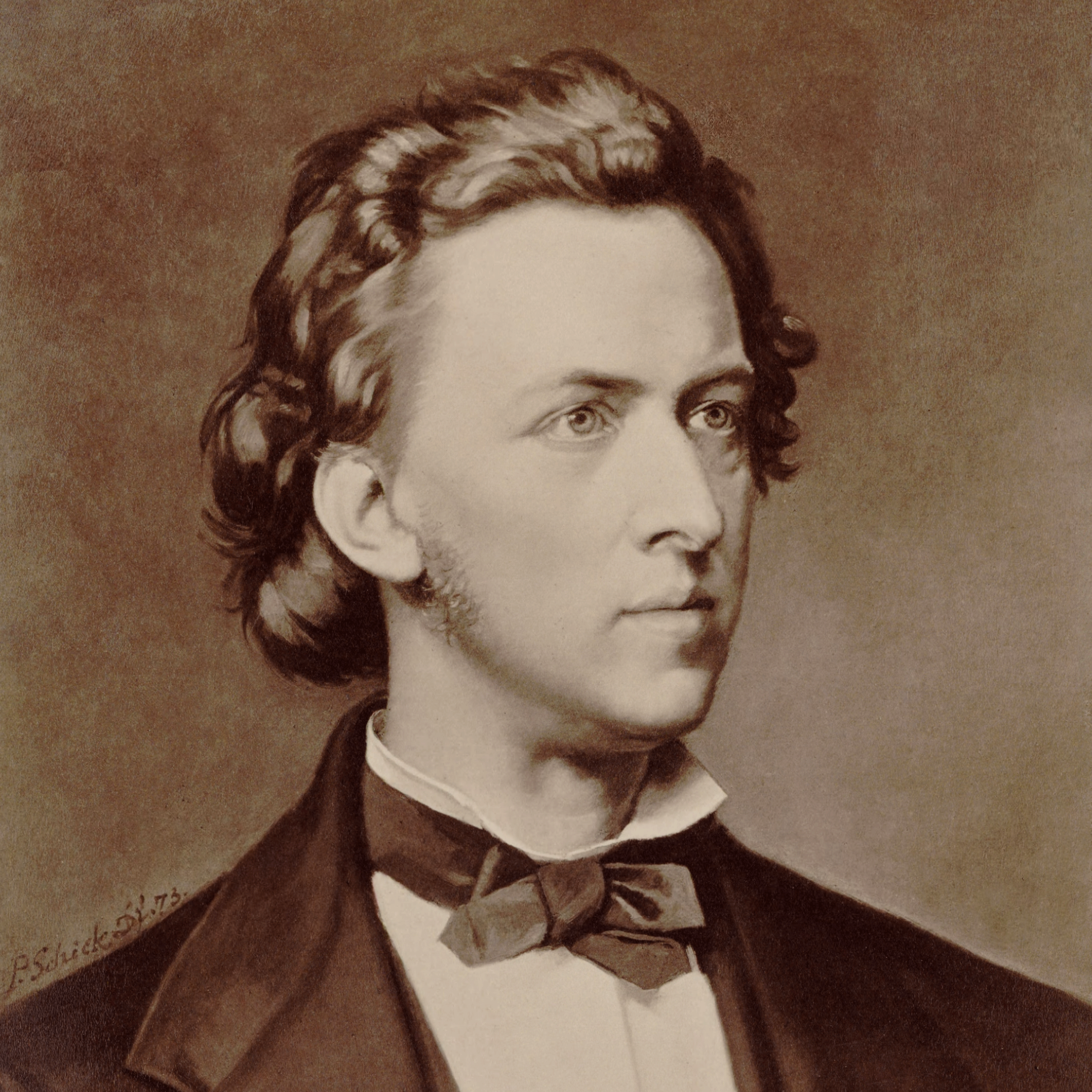
Frédéric Chopin wrote the Nocturne in E-flat major, Op. 9, No. 2 around 1830, publishing it the following year. It stands as one of the most recognizable and enduring piano works in the classical canon. Far from a simple salon tune, this three-minute miniature fuses intricate vocal phrasing with subtle harmonic tension, establishing a new standard for Romantic piano performance.
The piece opens with a famous cantabile melody in the right hand set against a steady, triple-meter accompaniment in the left hand. While many listeners hear it as pure background relaxation, pianists know it as a masterclass in tonal control, rubato timing, and dynamic shading.
Historical Roots and the Nocturne Genre
The nocturne as a piano genre didn't start with Chopin. Irish composer John Field invented the form, writing quiet, lyrical pieces designed to evoke evening moods and vocal intimacy. Chopin took Field's framework and expanded its expressive and harmonic range.
When Chopin composed Op. 9 in Paris, he was refining a distinctive personal style that blended Polish melodic sensitivities with Parisian salon sophistication. The set was dedicated to Madame Camille des Marches. Rather than imitating Field's simpler textures, Chopin infused his nocturnes with ornamental flourishes reminiscent of Italian opera singers, transforming a quiet night piece into a vehicle for dramatic vocal storytelling.
Structural Analysis and Form
The piece follows a modified binary or rounded ternary structure with elaborate ornamentations, often analyzed as A-B-A-prime-B-prime-A-prime with a coda.
- The Primary Theme (A): The opening period introduces the iconic eight-bar melody in E-flat major. It relies on smooth scalar movement and characteristic appoggiaturas that lean into the beat.
- The Variations: As the melody returns, Chopin doesn't repeat it verbatim. Each iteration incorporates increasingly complex florid embellishments—rapid chromatic runs and small note groups that must float effortlessly above the steady pulse.
- The Contrast (B Section): The middle phrases shift tone through subtle harmonic modulation, introducing a more agitated or yearning vocal character before returning to the familiar warmth of the home key.
Technical Challenges for Pianists
At first glance, the score looks accessible to intermediate players. However, professional musicians often cite works like Op. 9 No. 2 as deceptively difficult because the technical demands are entirely interpretive.
The Art of Voicing
The right hand carries the vocal line while simultaneously playing accompaniment figures in its lower register. Pianists must isolate the top voice so it projects clearly without sounding harsh or forced.
Rubato and Timing
Chopin's performance style relied heavily on rubato—stolen time. The melody floats and flexes, stretching forward and holding back, while the left-hand accompaniment maintains a strict, metronomic pulse. Achieving this independence between the hands without sounding disjointed requires years of practice.
Pedaling and Tone Color
The sustain pedal must be managed with extreme precision. Changing the pedal too often chops up the melodic line, while holding it too long muddies the harmonic texture, especially during the rolling left-hand arpeggios in the closing bars.
Cultural Legacy and Modern Perception
Few classical pieces have permeated modern media quite like this nocturne. Directors use its melancholy beauty to signal romance, nostalgia, or introspection in cinema, while brands rely on its sophisticated aura for luxury advertising.
This widespread familiarity is a double-edged sword. On one hand, it guarantees that millions of people recognize Chopin's voice instantly. On the other hand, overexposure can reduce a complex structural achievement into acoustic wallpaper. Listening closely to the dynamic shifts and harmonic undercurrents reveals a restless emotional depth that standard pop culture uses tend to overlook.
Frequently Asked Questions
What key is Chopin Nocturne Op. 9 No. 2 written in?
The piece is written in E-flat major, with a signature of three flats. It maintains a warm, luminous tonal center throughout most of its duration, contrasting with subtle chromatic shifts.
What is the difficulty level of Op. 9 No. 2?
It is generally classified as an upper-intermediate piano piece, typically around Royal Conservatory of Music (RCM) Level 8 or Associated Board of the Royal Schools of Music (ABRSM) Grade 7 or 8. While the notes are easy to learn, playing it with professional phrasing and rubato is exceptionally challenging.
Did Chopin write other nocturnes in Op. 9?
Yes, Op. 9 consists of three nocturnes. No. 1 in B-flat minor is known for its dreamy, unmeasured feel, and No. 3 in B major features a more dramatic, operatic middle section, though No. 2 remains by far the most famous of the set.
How does rubato work in this piece?
Rubato involves flexible phrasing where the melodic voice bends time against a steady rhythmic bass. In performance, the right hand accelerates slightly through ascents and lingers gently on peak notes, while the left hand keeps a reliable pulse.