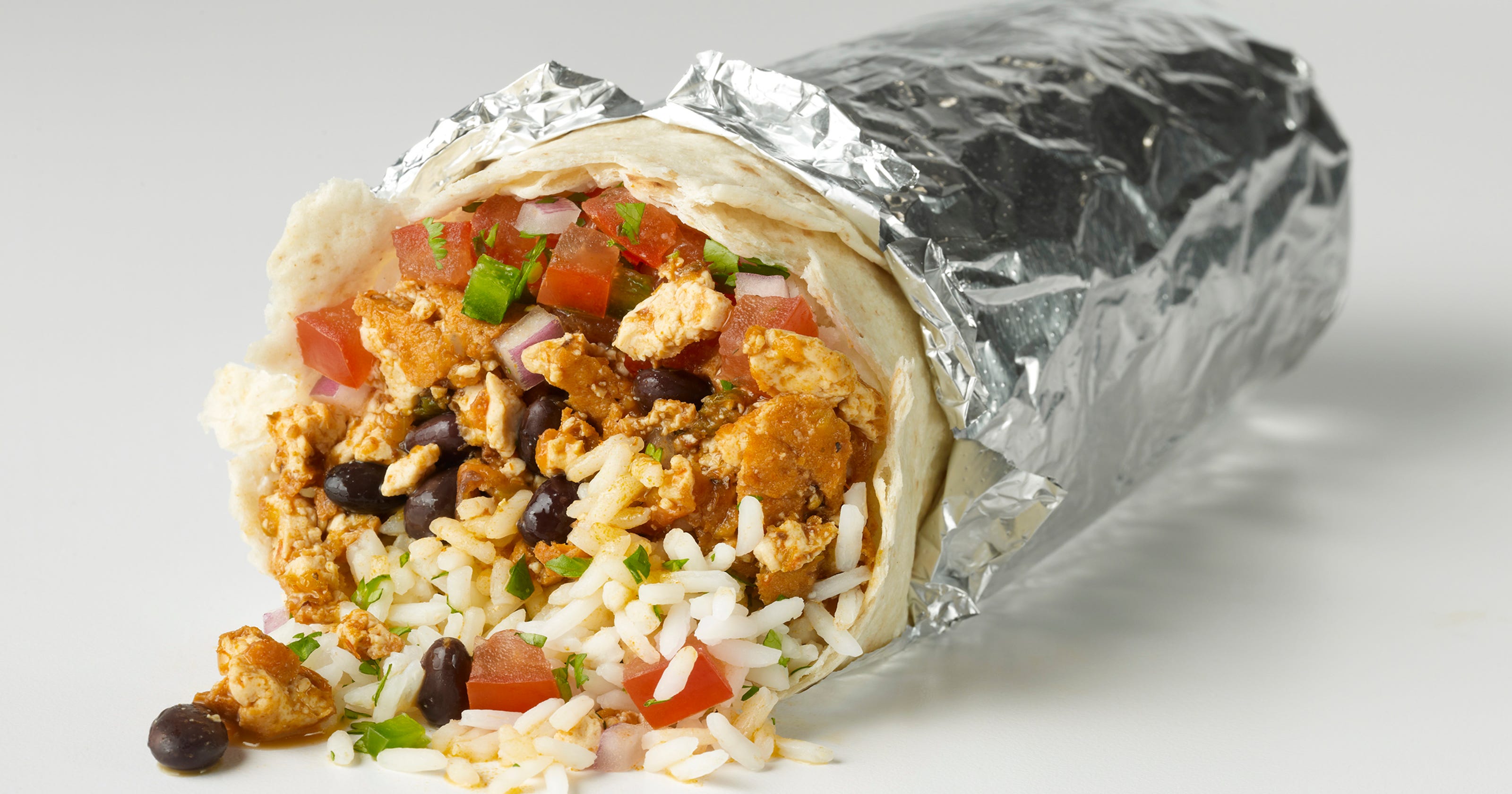
Finding your ideal heat level at Chipotle doesn't have to be a guessing game of trial and error. The chipotle spice hub is an intentional system of salsas, peppers, and cooking methods designed to let you calibrate flavor and spice with absolute precision. Whether you prefer a mild hint of roasted tomato or a searing kick that challenges your pain receptors, understanding how each component interacts with proteins, fats, and starches transforms a standard burrito bowl into a custom-crafted meal.
Unlike generic fast-casual restaurants that rely on a single, standardized hot sauce, Chipotle structures its spice profile across a distinct graduated matrix. Salsas aren't just condiments tossed on at the end; they are chemical counterweights meant to balance the richness of carnitas, the smokiness of barbacoa, or the earthy neutrality of plant-based proteins. Mastering this system means knowing how capsaicin works with your palate and pairing the right salsa with the right base ingredients.
Deconstructing the Chipotle Spice Spectrum
Every salsa and spice addition in the line plays a distinct role in flavor architecture. Knowing the exact heat profile and acidity of each option prevents unpleasant surprises at the register.
- Fresh Tomato Salsa (Mild): Built on diced tomatoes, red onions, cilantro, and jalapeños, this option offers zero lingering burn. It provides bright acidity and moisture without challenging your heat tolerance, acting as a refreshing baseline for rich meats.
- Roasted Chili-Corn Salsa (Medium-Low): Charred sweet corn, poblano peppers, onions, and cilantro combine to create a smoky, sweet profile. The heat is minimal, but the rustic, charred texture provides a robust counterpoint to smooth rice and beans.
- Tomatillo-Green Chili Salsa (Medium): Unripe green tomatillos give this sauce a sharp, tangy bite that cuts straight through heavy fats. The green chili introduces a bright, herbal heat that hits the front of your tongue and nasal passages immediately.
- Tomatillo-Red Chili Salsa (Hot): Do not underestimate this option. Packed with red chili peppers, garlic, and citrus juice, it delivers a deep, creeping burn that builds with every bite. It is the most chemically potent salsa on the line.
Matching Heat to Protein and Fats
Balancing heat requires understanding how capsaicin interacts with different food groups. Capsaicin is an oil-soluble compound, meaning water won't wash it away—it binds directly to receptors in your mouth, signaling heat to your brain. Further details into this topic are detailed by Associated Press.
If you choose rich proteins like carnitas or barbacoa, pair them with high-acidity options like the tomatillo-green chili salsa. The acid cuts through the rendered pork and beef fat, keeping your palate from feeling heavy. Conversely, if you order chicken or steak, which are leaner, the roasted chili-corn salsa or mild tomato salsa adds moisture without overpowering the natural grill notes.
When you step up to the hot red salsa, you need a thermal moderator. Sour cream and cheese contain casein, a protein that surrounds and washes away capsaicin molecules. Adding dairy to a bowl topped with hot salsa neutralizes the intense burn while retaining the rich chili flavor.
Step-by-Step Calibration for Your Perfect Heat Level
Building your ideal bowl or burrito requires a systematic approach to layering ingredients from the bottom up.
- Choose a neutral or textured base: White or brown rice absorbs the juices from subsequent layers, distributing flavors evenly across every bite.
- Select your protein and beans: Black beans offer an earthy depth, while pinto beans provide a softer, creamier texture that mutes aggressive spice.
- Incorporate your primary flavor driver: Apply your chosen salsa directly onto the protein and rice so it permeates the center of the meal rather than sitting entirely on top.
- Deploy thermal moderators: Add guacamole, cheese, or sour cream if you are testing a higher heat tier than you normally tolerate.
- Finish with fresh high notes: A squeeze of fresh lime juice or extra cilantro resets your taste buds between bites, preventing flavor fatigue.
For more background on how culinary capsaicin and spice tolerances work in professional kitchens, read this guide on heat and flavor balance. To explore how agricultural shifts affect pepper potency year-round, review agricultural insights from the United States Department of Agriculture.
Common Mistakes When Building Spicy Orders
Even seasoned diners make execution errors that ruin an otherwise well-planned meal. Avoiding these missteps guarantees a better dining experience.
- Ignoring the mix: Piling the hot salsa exclusively on one side of a burrito creates dangerous flavor pockets. Always request that your bowl or burrito be lightly mixed if you want even heat distribution.
- Overlooking acidity: Trying to combat heat purely with more heat destroys flavor complexity. If a dish feels too sharp, you need fat or acid (like lime), not more chilies.
- Skipping dairy protection: Diving straight into the hot red salsa without cheese or sour cream can overwhelm your palate, numbing your ability to taste the subtle seasonings in the adobo chicken or barbacoa.
Frequently Asked Questions
Which salsa is actually the spiciest at Chipotle?
The tomatillo-red chili salsa is undisputedly the hottest option on the regular menu. It relies on a high concentration of red chili peppers and delivers a slow-building, intense capsaicin burn.
How can I cool down my mouth if a bite is too hot?
Drink milk or eat a spoonful of sour cream or cheese. Dairy contains casein, a protein that binds to capsaicin and neutralizes the burning sensation far more effectively than water or soda.
Are Chipotle's spice levels consistent across all locations?
While the recipes are standardized, natural variations in chili pepper crops mean that batches of red and green salsa can fluctuate slightly in heat intensity from week to week.
Can I mix two different salsas in one order?
Yes. Many regular customers combine the roasted chili-corn salsa with the tomatillo-green chili salsa to achieve a balance of smoky sweetness and sharp, herbal heat.



