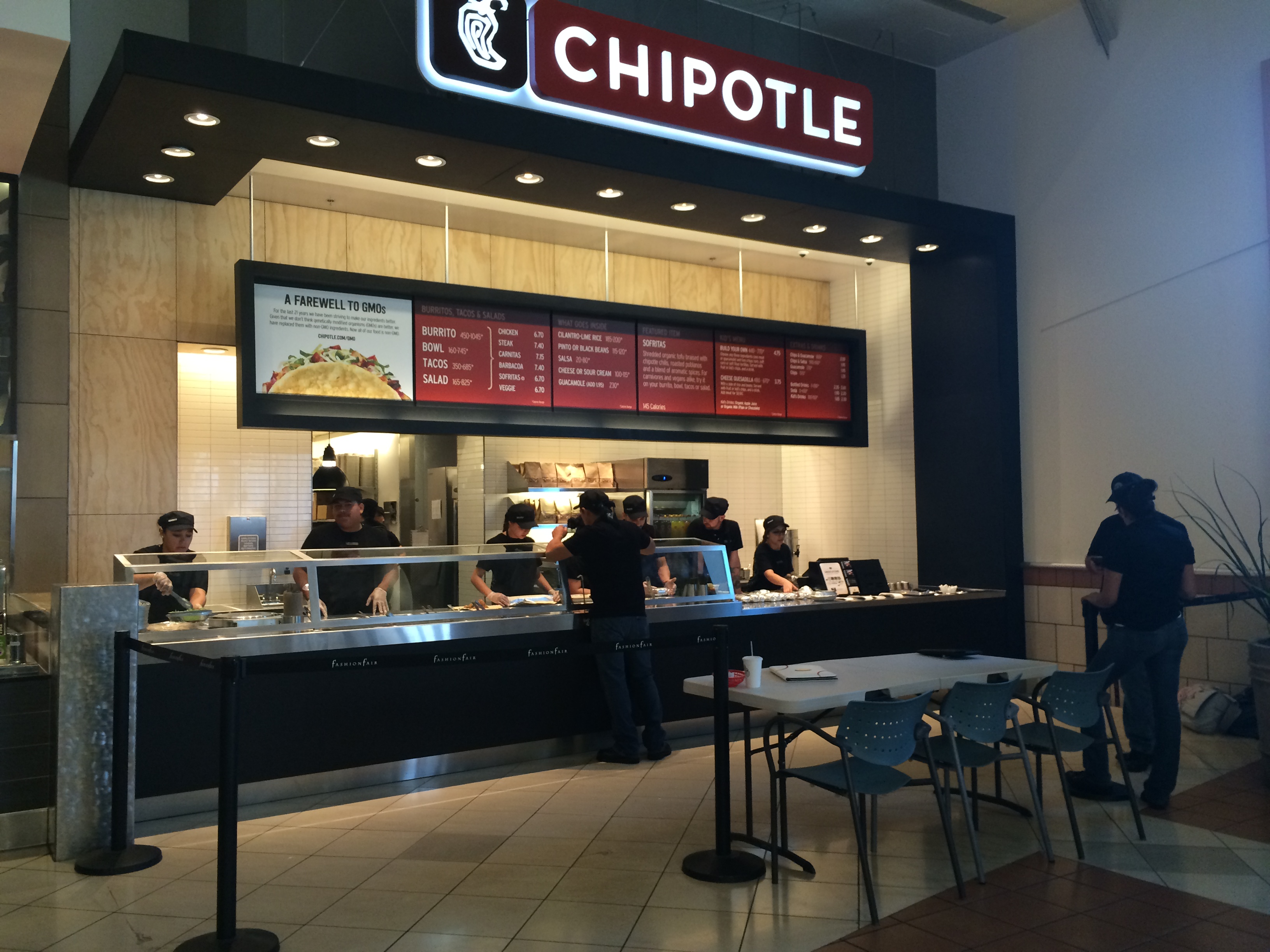
When fast-casual chains scale across international borders, standard operational playbooks collide with local realities. Chipotle Puerto Rico represents this exact friction point, combining digital-first restaurant design with island-specific supply chains, currency conversions, and consumer preferences. While corporate guidelines dictate kitchen protocols and portion sizes, island operations require distinct logistical maneuvers that differentiate a standard mainland lunch from a San Juan bowl.
Understanding how this specific market functions means looking past promotional marketing materials. From import tariffs and local sourcing bottlenecks to kiosk ordering adoption and regional menu adaptations, operating a high-volume burrito assembly line in the Caribbean demands operational precision. Let's examine how the brand executes its model on the island and what diners actually encounter when they walk through the door.
The Digital Infrastructure and Store Operations
You won't find a traditional, purely conversational ordering line dominating every peak hour in modern island units. Chipotle Puerto Rico relies heavily on a digital-first framework designed to maximize throughput. In-store digital kiosks sit alongside mobile app ordering platforms, shifting the labor burden of customization away from the cashier and onto the customer's screen.
This tech-forward setup creates specific operational dynamics:
- Digital Makeline Separation: Dedicated second make-lines handle mobile and delivery orders separately from walk-in kiosk traffic, reducing kitchen gridlock during peak lunch hours.
- Cashless and Terminal Transactions: Payment processing leans heavily on contactless cards and app wallets, minimizing cash handling risks and speeding up transaction times.
- Inventory Tracking: Real-time POS integration flags ingredient stockouts instantly, automatically pausing specific items on the app when fresh proteins run low.
Yet, this reliance on technology introduces vulnerability. Internet service interruptions or point-of-sale software glitches can halt custom orders entirely, forcing staff back to manual ticket writing. Furthermore, older demographics or tourists unfamiliar with self-service kiosks often cause bottlenecks at the front of the house, challenging the speed-of-service metrics corporate headquarters expects.
Menu Architecture and Local Adaptations
The core menu follows the familiar global blueprint of burritos, bowls, tacos, and salads. Proteins include chicken, steak, barbacoa, carnitas, and plant-based sofritas, anchored by white and brown rice, black and pinto beans, and a rotation of salsas. However, executing this lineup in the Caribbean involves navigating distinct agricultural supply chains.
Because strict agricultural import laws govern fresh produce entering the territory, maintaining the exact taste profile of mainland ingredients requires rigorous vendor coordination. Avocados for guacamole, cilantro, and citrus fruits face variable transit times, occasionally leading to texture differences or temporary menu item shortages during off-seasons.
- Protein Consistency: Meats arrive pre-marinated or pre-cooked according to strict food safety guidelines, leaving local kitchen staff responsible only for grilling, chopping, and reheating.
- Flavor Adjustments: While spice levels remain standardized through central recipe cards, local palates accustomed to traditional Caribbean seasoning profiles sometimes find the standard salsas either overly sharp or lacking local citrus notes.
- Beverage Selections: Alongside standard fountain drinks, units often feature regional or culturally popular beverage options to better match local dining expectations.
Pricing Pressures and Economic Realities
Eating at Chipotle Puerto Rico involves a distinct financial calculation compared to dining on the mainland. Import tariffs, maritime shipping costs for non-perishable goods, high commercial electricity rates, and local municipal taxes drive operating expenses up significantly.
As a result, menu item pricing reflects a noticeable markup over average U.S. mainland prices. For local residents, a fast-casual burrito bowl competes directly with traditional fondas, local comida criolla spots, and established fast-food giants like McDonald's or local bakery chains. Value perception hinges entirely on portion size consistency and speed. When ingredient portions shrink or wait times stretch past twenty minutes, customer pushback surfaces quickly on social media and review platforms.
Logistics and Supply Chain Challenges
Operating a high-volume restaurant on an island introduces unique supply chain vulnerabilities. Ocean freight delays, port congestion, and severe weather events during the Atlantic hurricane season require robust inventory buffering.
Managers must forecast ingredient needs weeks in advance, balancing food waste reduction against the risk of running out of core items like steak or tortillas. Unlike mainland locations that receive daily or bi-weekly truck deliveries from regional distribution centers, island units depend on scheduled container shipments that leave little room for sudden demand spikes.
- Cold Chain Integrity: Maintaining strict temperature controls from port arrival to restaurant walk-in coolers requires constant monitoring and redundant backup generators.
- Staff Training and Turnover: High competition for hospitality labor in tourist-heavy zones means continuous onboarding, impacting assembly speed during peak tourist seasons.
Frequently Asked Questions
Can I use the standard Chipotle rewards app in Puerto Rico?
Yes, the primary digital app functions across island locations, allowing users to earn points, redeem available rewards, and access account credits just as they would on the mainland.
Are prices higher in Puerto Rico than in the United States?
Prices generally run higher due to the high cost of importing ingredients, ocean freight logistics, and elevated commercial utility rates across the territory.
Does Chipotle Puerto Rico offer delivery services?
Delivery is available through the official app as well as major third-party delivery platforms operating locally, though delivery radius and fees vary depending on the specific neighborhood and traffic conditions.
Are vegetarian and vegan options readily available?
Sofritas, black and pinto beans, cilantro-lime rice, and vegetarian fajita vegetables remain standard fixtures on the island menu, catering directly to plant-based diets.


