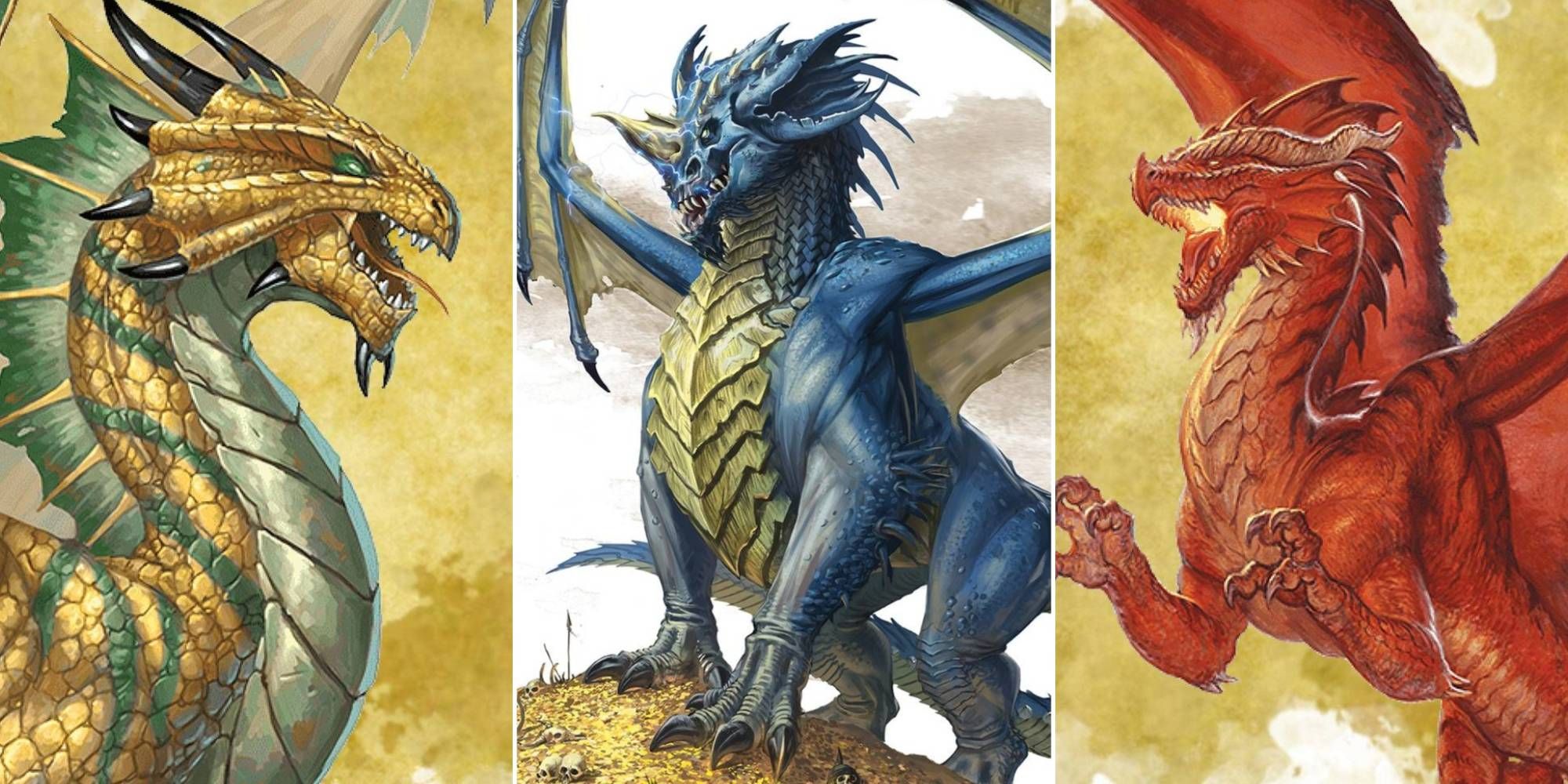
The Chinese dragon symbol (lóng, 龍 or 龙) stands as one of the most enduring emblems in global history. Unlike fire-breathing reptilian beasts in Western folklore, the traditional East Asian dragon is a benevolent, celestial power tied to water, weather, and agricultural vitality. Understanding this icon requires looking past surface-level decorations to examine its linguistic roots, imperial history, and how it shapes identity today.
At its core, the dragon symbol represents a blend of natural forces and political authority. Ancient agrarian communities relied heavily on predictable rainfall for survival, and the dragon was viewed as the master of rain, rivers, and floods. Over millennia, this mythical entity evolved from a primitive tribal totem into a sophisticated emblem of imperial supremacy, spiritual balance, and personal success.
Linguistic Roots and Visual Evolution
The written character for dragon has a long history. In traditional script, it is written as 龍, while the modern simplified form is 龙.
- Oracle Bone Scripts: Early forms of the character found on ancient oracle bones featured a coiled body and a prominent head crest or horns, reflecting early artistic representations.
- Stroke Count: The simplified character 龙 consists of 5 strokes, while the traditional form 龍 contains 16 strokes.
- Composite Anatomy: Traditional lore describes the creature as a composite of nine different animal attributes. It typically features the antlers of a stag, the head of a camel, the eyes of a demon, the neck of a snake, the scales of a carp, the claws of an eagle, and the paws of a tiger.
This composite nature signifies harmony across different elements of the natural world. Rather than representing a single real-world animal, the symbol acts as a synthesis of air, water, earth, and animal power.
Imperial Authority and Social Status
During China's imperial dynasties, the dragon symbol was strictly regulated. It served as the exclusive visual proxy for the Emperor, who was often styled as the "Son of Heaven".
- The Five-Clawed Dragon: Imperial robes, palace architecture, and throne rooms featured distinct dragon motifs. Specifically, five-clawed dragons (long) were reserved for the emperor and immediate imperial family members. Lower-ranking officials wore four-clawed variations (mang).
- Legal Penalties: During the Qing dynasty and earlier eras, common citizens faced severe penalties, including execution, for unauthorized use of imperial dragon imagery on clothing or household items.
- National Standards: The dragon even appeared on official state banners, such as the Azure Dragon flag utilized during the late Qing period.
Cultural Meaning and Modern Identity
Outside of politics, the dragon holds a deeply positive place in everyday culture and heritage.
The Descendants of the Dragon
Many people describe themselves as "descendants of the dragon" (longdian ren). This phrase bridges ancient mythology with modern cultural identity, fostering a shared sense of belonging among communities worldwide.
The Chinese Zodiac
The dragon occupies the fifth position in the 12-year cycle of the Chinese zodiac. Years of the Dragon, such as recent cycles in 2012 and 2024, often see higher birth rates. Individuals born under this sign are culturally stereotyped as ambitious, charismatic, and fortunate leaders.
Color Symbolism
The meaning of a dragon symbol shifts depending on its visual color palette:
- Gold or Yellow: Associated with supreme wealth, high social standing, and the center of the cosmos.
- Red: Linked to good fortune, happiness, and celebrations like the Lunar New Year.
- Blue or Green: Connected to healing, tranquility, springtime, and natural growth.
Common Misconceptions
When studying Asian iconography, observers frequently misinterpret the symbol due to cross-cultural confusion.
- Destructive Intent: Western media often conflates eastern dragons with fire-breathing monsters. In contrast, historical texts almost universally frame traditional dragons as wise, helpful, and protective entities.
- Everyday Usage: People often assume any serpentine artwork from ancient sites represents an imperial dragon. In practice, early neolithic artifacts often depicted simplified jade pig-dragons or water serpents that predated formal dynastic governance.
To explore historical contexts in depth, visit the Metropolitan Museum of Art or review academic collections hosted by the Smithsonian Institution.
Frequently Asked Questions
What does the Chinese dragon symbolize?
It symbolizes power, nobility, honor, luck, and agricultural prosperity. It also represents the elemental control of water and rain.
Is the Chinese dragon considered evil?
No. Unlike European folklore where dragons are slain by heroes, Chinese dragons are viewed as benevolent, sacred bringers of good fortune.
How do you write the symbol for dragon in Chinese?
The traditional character is 龍 and the simplified character is 龙, pronounced as lóng in Mandarin Pinyin.
Why are dragons associated with water?
Ancient agricultural societies depended entirely on seasonal rainfall. Dragons were worshipped as divine rulers of rivers, lakes, and oceans who controlled weather patterns and prevented droughts.


