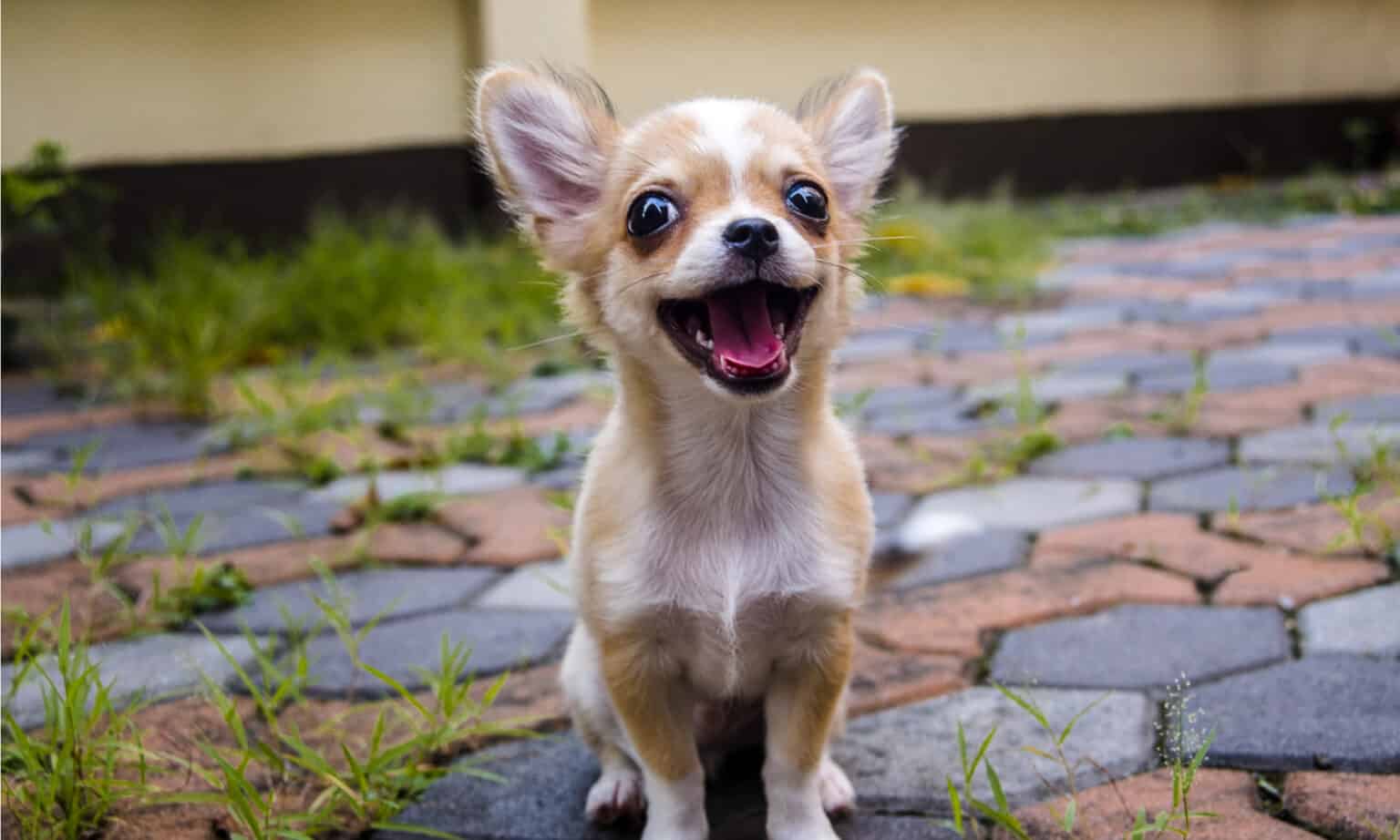
Chihuahuas shed small amounts of hair year-round, with heavier seasonal undercoat drop during spring and autumn. If you live with one of these tiny dogs, you're likely familiar with finding fine hairs on your clothes and furniture, regardless of whether your dog sports a smooth, short coat or a longer, plumed variety.
Managing coat health requires understanding the biological hair growth cycle, using the right grooming tools, and knowing when loose fur signals an underlying medical issue. By addressing daily maintenance and nutritional needs, you can keep your dog's skin healthy and minimize loose hair around the home.
Understanding Chihuahua Coat Types and Shedding Cycles
Chihuahuas come in two distinct coat varieties recognized by kennel clubs, and their shedding behavior differs slightly depending on genetics.
- Smooth-Coat Chihuahuas: These dogs have a short, glossy coat that lies flat against the body. While they don't have a thick undercoat, they still shed continuously in small amounts. Because the hairs are short and stiff, they can weave tightly into fabric fibers, making them stubborn to remove from upholstery.
- Long-Coat Chihuahuas: These dogs possess a soft, fine texture with feathering on the ears, legs, and tail, plus a visible undercoat. They tend to drop more noticeable clumps of fur during seasonal changes when the undercoat blows out.
Every individual hair goes through three phases: anagen (growth), catagen (transition), and telogen (resting and shedding). Indoor living with artificial lighting and climate control can disrupt natural daylight cues, causing some Chihuahuas to shed at a steady, low level all year instead of experiencing distinct biannual blowouts.
Essential Grooming Routines for Year-Round Coat Health
Consistent grooming removes trapped dead hair, distributes natural sebum, and stimulates blood circulation in the skin.
For smooth coats, use a soft rubber curry brush or a hound mitt once a week to capture loose hairs before they drop onto your rugs. Long-coated Chihuahuas need attention two to three times a week using a pin brush and a stainless steel greyhound comb to prevent tangles behind the ears and around the hindquarters.
Bathing should happen only when necessary—typically every four to six weeks unless your dog gets dirty. Over-bathing strips natural oils from the skin, leading to dryness, flaking, and increased irritation. Always use a gentle, pH-balanced canine shampoo formulated for sensitive skin.
Nutritional Support and Hydration
A healthy coat starts from the inside out. If your Chihuahua's diet lacks essential nutrients, hair can become brittle, dull, and prone to excessive breakage.
- Protein: Hair is primarily made of keratin, a protein. Ensure your dog's food lists a high-quality animal protein source as the first ingredient.
- Omega Fatty Acids: Omega-3 and omega-6 fatty acids support skin barrier function and reduce inflammation. Fish oil supplements or commercial foods rich in EPA and DHA can dramatically improve coat sheen.
- Hydration: Clean, fresh water must be available at all times to maintain overall cellular health and skin elasticity.
The American Kennel Club (AKC) provides extensive resources on canine nutrition and coat maintenance standards for toy breeds.
When Shedding Becomes a Medical Concern
Normal shedding leaves the skin underneath clean, pink or pigmented normally, and free of sores. If you notice sudden bald patches, severe thinning, or skin abnormalities, schedule a veterinary visit.
Common causes of abnormal hair loss in Chihuahuas include:
- Allergies: Environmental allergens or food sensitivities can cause intense scratching, leading to hair loss around the paws, belly, and face.
- Hormonal Imbalances: Conditions like hypothyroidism or Cushing's disease frequently manifest as symmetrical hair loss on both flanks without itching.
- Parasites: Fleas, ticks, and microscopic mites such as Demodex can cause localized or widespread alopecia and scabbing.
Your veterinarian may perform skin scrapings, fungal cultures, or blood panels to pinpoint the exact cause of coat changes. You can read more about common dermatological conditions in dogs through the Merck Veterinary Manual.
Frequently Asked Questions
Do Chihuahuas hypoallergenic?
No, Chihuahuas are not hypoallergenic. They produce dander and shed hair, which can trigger allergic reactions in sensitive individuals.
Why is my Chihuahua shedding in clumps?
Clumped shedding usually indicates seasonal undercoat turnover, especially in long-coated dogs. However, if you see bald spots or irritated skin beneath the clumps, consult a veterinarian.
Does spaying or neutering affect a Chihuahua's coat?
Hormonal shifts following sterilization can alter coat texture or thickness, sometimes resulting in a softer, fluffier puppy-like coat or temporary shedding changes.
How can I remove Chihuahua hair from furniture easily?
Rubber squeegees, damp rubber gloves, and electrostatic pet hair rollers work exceptionally well for lifting short Chihuahua hairs off couches and car seats.



