Ever wondered what happens behind the scenes before a package of chicken breasts lands in your grocery cart? The journey from breeder farm to your dinner plate involves a tightly regulated sequence of biosecurity protocols, climate-controlled transport, and modern processing standards. Understanding this supply chain gives you a clearer picture of food traceability, animal care, and how quality is maintained at every single step.
The poultry supply chain moves swiftly, often taking a broiler chicken from a newly hatched chick to a supermarket shelf in just six to eight weeks. This rapid lifecycle relies on specialized breeding, automated feeding systems, strict veterinary oversight, and rapid logistics networks designed to preserve freshness and safety.
The Foundation: Breeder Farms and Hatcheries
The production cycle starts long before commercial meat birds reach a growing farm. It begins at broiler breeder farms, where parent stock—specifically selected hens and roosters—are raised to produce fertile hatching eggs.
- The Rearing Phase: Young breeder birds are grown in specialized barns until they reach sexual maturity, usually around 26 weeks of age.
- Egg Collection: Once mature, hens lay fertilized eggs that are automatically gathered via conveyor belts to keep them clean and prevent breakage.
- Incubation: These eggs travel to a hatchery, where they spend 21 days in climate-controlled incubators that mimic natural brooding conditions with precise temperature and humidity controls.
Once hatched, the day-old chicks are sorted, vaccinated, and transported in temperature-regulated trucks to commercial grow-out farms.
Raising Broiler Chickens on the Farm
Modern broiler farms focus heavily on animal welfare, nutrition, and biosecurity. Unlike laying hens raised for table eggs, broiler chickens are specifically bred for meat production and are kept in spacious, well-ventilated barns.
Housing and Environment
Most commercial meat chickens in North America are raised in free-run barns. This means they are not kept in cages; instead, they roam freely on fresh bedding such as wood shavings or straw. Barn floors feature automated feeding and watering lines, ensuring birds have constant access to fresh feed and clean water. Climate control systems automatically adjust temperature, humidity, and airflow as the birds grow and weather conditions shift.
Feed and Nutrition
A chicken's diet consists primarily of corn and soybean meal, supplemented with vitamins and minerals. Contrary to common myths, hormones and steroids are banned in poultry production across many countries, including Canada and the United States, and have been for decades. Growth is driven entirely by selective breeding, high-quality nutrition, and modern veterinary care.
Biosecurity Measures
To protect flocks from external pathogens like avian influenza, farms enforce strict biosecurity protocols. Workers and visitors often shower in, change into farm-specific clothing and boots, and limit vehicle traffic onto the property.
Processing: From Live Bird to Retail Cut
When chickens reach market weight—typically between 35 and 49 days old, depending on the target weight and market demand—they are ready for processing.
- Catching and Transport: Specially trained crews catch the birds gently and load them into specialized transport modules. Transport trucks are designed to maintain optimal airflow to keep the birds calm and comfortable during transit to the processing plant.
- Humanely Processing: Upon arrival, plants operate under federal or national inspection guidelines. Birds are stunned using controlled atmospheres or electrical systems to ensure unconsciousness before processing begins.
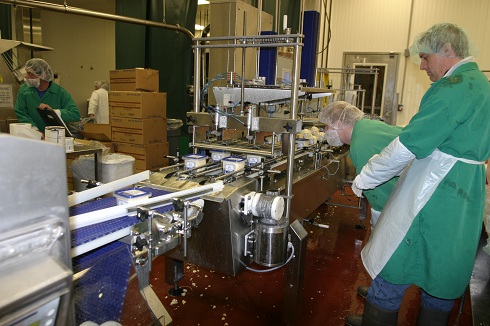
- Evisceration and Inspection: Automated machinery and government inspectors examine each carcass to ensure it meets strict health and safety standards. Any bird showing signs of disease is removed from the line immediately.
- Chilling: To inhibit bacterial growth, carcasses pass through chillers that rapidly drop the internal meat temperature to safe levels.
Distribution and Grocery Logistics
Once chilled, the chicken is graded based on conformation, meat yield, and skin integrity. From here, processing plants sort the meat into two primary categories:
- Whole Birds: Packaged whole for roasting or rotisserie programs.
- Further Processed Cuts: Butchered into breasts, thighs, wings, drumsticks, or deboned for ground chicken and value-added products like pre-seasoned strips.
Logistics teams pack the cuts into vacuum-sealed or modified-atmosphere packaging to extend shelf life naturally. Refrigerated transport fleets move the products to distribution centers, and eventually to grocery store meat cases, restaurants, and food service institutions. Throughout this distribution phase, continuous cold-chain management ensures the temperature stays below 4 degrees Celsius.
Safe Handling in Your Kitchen
The final link in the farm-to-table chain is your kitchen. Because raw poultry can harbor naturally occurring bacteria like Salmonella or Campylobacter, proper handling is essential:
- Separate: Use dedicated cutting boards for raw chicken to prevent cross-contamination with fresh produce or ready-to-eat foods.
- Clean: Wash your hands thoroughly with soap and warm water for at least 20 seconds after handling raw meat.
- Cook: Always cook chicken to an internal temperature of 74 degrees Celsius (165 degrees Fahrenheit), verified using a digital meat thermometer inserted into the thickest part of the meat.
- Chill: Never leave raw or cooked chicken at room temperature for more than two hours. Refrigerate leftovers promptly in airtight containers.
For official food safety guidelines and regulatory oversight details, you can review resources provided by the Canadian Food Inspection Agency or the USDA Food Safety and Inspection Service.
Frequently Asked Questions
Do chickens raised for meat receive antibiotics?
Regulations allow antibiotic administration only when necessary to treat sick birds under veterinary supervision. Many producers also participate in "raised without antibiotics" programs, and strict withdrawal periods ensure no antibiotic residues remain in the meat by the time it reaches processing plants.
What is the difference between free-range and free-run?
In commercial poultry production, free-run means birds move about freely in an open-barn floor system. Free-range typically means the birds also have access to outdoor areas during favorable weather conditions, depending on regional agricultural definitions.
Why are some chicken breasts woody or chewy?
"Woody breast" is a muscle myopathy that affects a small percentage of fast-growing broiler chickens. It causes the muscle fibers to become tough or rubbery. While it impacts texture, it does not pose any food safety risk.
Are organic chickens fed differently than conventional chickens?
Yes. Organic chickens must be fed certified organic feed grown without synthetic fertilizers or pesticides, and they generally require outdoor access and specific living conditions certified by agricultural authorities.



