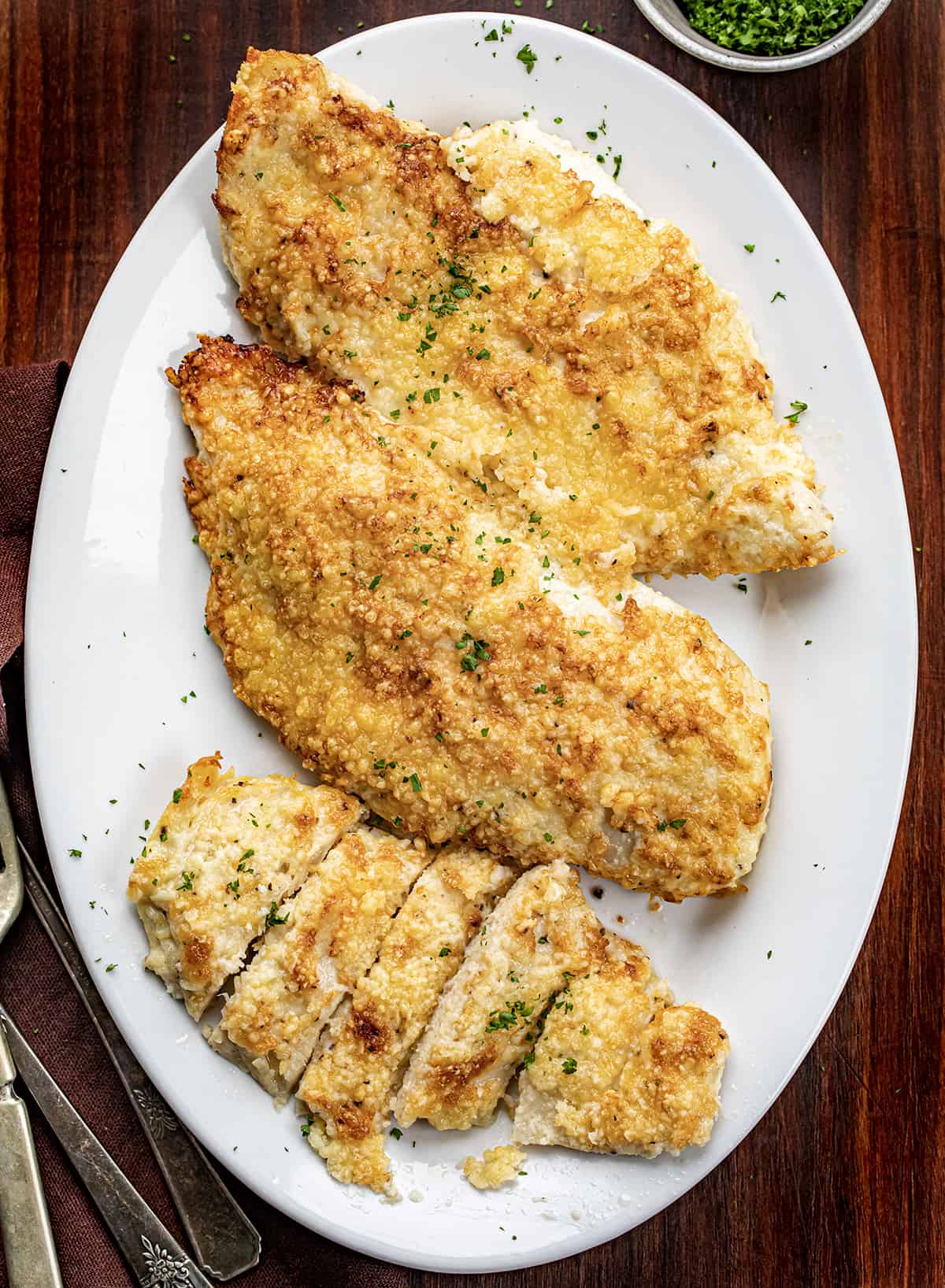
Chicken flour is a finely milled culinary powder made from dehydrated chicken meat, skin, and bones. It delivers an intense umami punch, concentrated protein, and natural binding properties that transform everyday cooking without requiring long stock simmers. You'll find it used as a seasoning base, a thickener for gravies, and a protein booster in modern home kitchens.
While bouillon cubes rely heavily on salt and artificial flavor enhancers, pure chicken flour centers on real poultry solids ground to an ultra-fine consistency. This structure allows it to dissolve seamlessly into liquids, coat vegetables evenly before roasting, and fortify doughs or batters. If you want to elevate weeknight dinners with deep, savory notes, this pantry staple provides an instant shortcut.
What is Chicken Flour and How Is It Made?
The production of chicken flour starts with selecting high-quality poultry trim, skin, and bones. Manufacturers cook these materials under controlled temperatures to render fats and tenderize collagen. Once dehydrated completely, the brittle chicken solids enter specialized mills that pulverize them into a free-flowing, stable powder.
Commercial variations differ based on their formulation, but you'll generally find two primary types on the market:
- Pure meat-and-bone powders with zero added sodium or preservatives.
- Seasoned culinary blends that incorporate sea salt, garlic powder, and onion powder for ready-to-use flavor profiles.
Because the moisture is entirely removed, the shelf life extends significantly past fresh meat, provided you store the container in a cool, dry place away from humidity.
Culinary Applications: How to Use It in the Kitchen
You can't just dump dry chicken flour straight into a hot pan or boiling soup, or you'll end up with stubborn lumps. Instead, mastering its application requires understanding how proteins and residual fats react to liquids and heat.
Creating Silky Sauces and Gravies
Traditional roux or cornstarch slurries thicken liquids effectively, but they often dilute flavor. When you swap flour for chicken flour or mix a small quantity into your pan juices, you build body while amplifying the meat flavor. Whisk one tablespoon of chicken flour with two tablespoons of cold water or broth to form a smooth paste before stirring it into your simmering sauce.
Enhancing Dry Rubs and Breading
For extra-crispy chicken cutlets or roasted vegetables, blend a teaspoon of chicken flour into your breadcrumb mixture or flour dredge. The proteins brown rapidly during frying or baking, yielding a deeply savory crust that holds up well to moisture. You can check out Serious Eats for more insights on how browning reactions improve overall flavor depth in poultry dishes.
Fortifying Gluten-Free Baking
If you bake gluten-free breads, crackers, or savory biscuits, maintaining structural integrity and savory flavor can prove difficult. Adding a small percentage of chicken flour introduces natural animal proteins that mimic gluten's binding tendencies while infusing a rich broth-like background note.
Nutritional Profile and Sustainability Benefits
Beyond flavor, chicken flour offers distinct nutritional advantages. Because it consists of dehydrated meat and bone tissue, it functions as a dense source of complete protein containing all nine essential amino acids.
- High Protein Density: A single tablespoon typically delivers several grams of clean protein with minimal carbohydrates.
- Mineral Content: Bone components naturally contribute trace amounts of calcium, phosphorus, and magnesium.
- Waste Reduction: Producing this powder utilizes wholesome carcass parts and trimmings that might otherwise be discarded during commercial butchery, supporting nose-to-tail kitchen habits.
The USDA FoodData Central database provides detailed compositional breakdowns of various dehydrated poultry products and bone meals, highlighting their mineral and protein contributions.
Common Mistakes to Avoid
Working with a concentrated umami powder takes practice. Avoid these frequent pitfalls to keep your dishes balanced:
- Skipping the slurry step: Tossing dry powder directly into boiling liquid creates sticky clumps that won't dissolve. Always hydrate it in cold liquid or oil first.
- Over-salting your dish: Many commercial blends include added sodium. Always taste your food before adding extra salt when cooking with chicken flour.
- Using too much: Because the flavor is highly concentrated, a heavy hand will overpower subtle herbs and vegetables. Start with half a teaspoon, taste, and build up gradually.
Frequently Asked Questions
Can I make chicken flour at home?
Yes, though it requires patience. You must dehydrate cooked chicken breast strips or carcass meat completely until bone dry, then grind them in a high-powered spice grinder or food processor until powdery. Strain the result through a fine mesh sieve to remove any remaining gritty bits.
How is chicken flour different from chicken bouillon?
Bouillon cubes or granules rely primarily on salt, MSG, vegetable oil, and artificial chicken flavorings with very little actual meat content. Chicken flour is made from real, whole dehydrated poultry meat and bone tissue.
Does chicken flour need to be refrigerated?
No. Because the dehydration process removes all moisture, commercial chicken flour remains shelf-stable for months. Just keep the container tightly sealed to prevent humidity from causing caking.
Can I use chicken flour as a direct substitute for wheat flour?
No. Chicken flour lacks gluten and starches in the quantities needed to build structure in cakes or cookies. Use it as a functional flavor and protein booster rather than a baking flour replacement.



